5 Reasons Why Tiny Homes are Perfect for Young Families
The tiny home movement has continued to grow over the past several years, attracting everyone from retirees and young professionals to couples and first-time homebuyers. According to the International Code Council, a tiny home is generally defined as a residence measuring 400 square feet or less, not including loft spaces. These homes may be built on a permanent foundation or designed as mobile homes, giving homeowners flexibility based on their lifestyle.
Inspired by the idea that less can truly be more, tiny homes encourage homeowners to simplify their lives while focusing on quality over quantity. Companies such as BoxdLiving have helped demonstrate how thoughtful design and efficient use of space can create comfortable, modern homes without the expense of a traditional house.
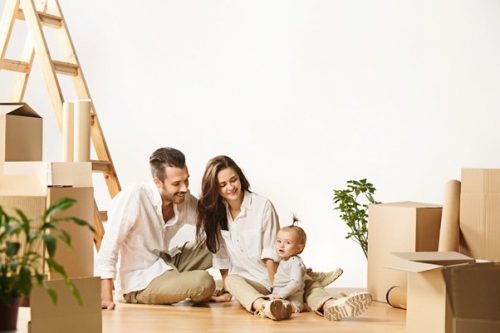
Although tiny homes are often associated with singles, retirees, and couples, they can also be an excellent choice for young families. With careful planning and smart organization, a tiny home can provide a comfortable, affordable, and rewarding place to raise children while helping families build a stronger financial future.
Here are five reasons why tiny homes continue to be a practical option for young families.
1. Tiny Homes Support a More Sustainable Lifestyle
One of the biggest advantages of living in a tiny home is the positive impact it can have on the environment. A smaller home naturally uses less electricity, heating, cooling, and water than a larger house. Many tiny homeowners also choose energy-efficient appliances, LED lighting, sustainable building materials, and even solar power systems to further reduce their environmental footprint.
Living with less space also encourages families to become more intentional about what they purchase and bring into their homes. Rather than filling extra rooms with unnecessary items, many families choose durable, multifunctional furniture and focus on experiences rather than possessions.
Research supports these lifestyle changes. Virginia Tech Ph.D. candidate Maria Saxton studied 80 people who downsized to tiny homes in the United States. According to her article published by The Conversation, participants experienced an average 45% reduction in their ecological footprints after moving into a tiny home.
2. Tiny Homes Can Help Families Save Money
For many young families, affordability is one of the biggest reasons to consider a tiny home. Purchasing a smaller home often costs significantly less than buying a traditional house, and the savings do not stop there.
According to research published by iProperty Management, the average tiny home costs less than one-fifth the price of a traditional home. The study also found that many tiny homeowners carry less debt, allowing them to focus on long-term financial goals instead of large monthly mortgage payments.
Beyond the purchase price, tiny homes generally have lower utility bills, lower property maintenance costs, fewer repair expenses, and reduced furnishing costs. Those monthly savings can be redirected toward emergency savings, children’s education, family vacations, retirement planning, or paying down existing debt.
For young families hoping to achieve greater financial freedom while still enjoying homeownership, a thoughtfully designed tiny home can provide an excellent starting point.
3. Tiny Homes Give Families More Flexibility
One advantage that attracts many families to tiny homes is flexibility. Depending on the design and local regulations, some tiny homes can be relocated if your career, family needs, or lifestyle changes. While not every tiny home is mobile, many are built on trailers, making them easier to move than a traditional house.
If you’ve always liked the idea of living in a home that can adapt with your family, relocatable homes may be worth exploring. They can offer the freedom to relocate without leaving behind the comfort of home, making them appealing to families who enjoy travel or expect future moves.
Before purchasing a relocatable tiny home, be sure to research local zoning laws, utility connections, and placement requirements, as these can vary depending on where you live.
4. Tiny Homes Are Easier to Clean and Maintain
One of the biggest day-to-day advantages of living in a tiny home is how much easier it is to maintain. With less square footage to clean, homeowners often spend far less time vacuuming, dusting, mopping, and organizing.
For busy parents, that extra time can be spent on what matters most, whether that’s enjoying family activities, helping with homework, pursuing hobbies, or simply relaxing together. Smaller homes also tend to require fewer repairs, less paint, less flooring, and fewer furnishings over time, helping reduce ongoing maintenance costs.
Many tiny homeowners discover that maintaining a smaller home encourages better organization and makes it easier to keep clutter under control throughout the year.
5. Tiny Living Helps You Focus on What Matters Most
Modern life often encourages us to buy more, store more, and upgrade constantly. Tiny living offers a different perspective by encouraging families to become more intentional about what they own and how they use their space.
Living in a smaller home naturally limits unnecessary purchases because every item needs to have a purpose. Instead of filling closets with things that rarely get used, many tiny homeowners choose high-quality, multifunctional furniture and household items that provide long-term value.
For many young families, this shift creates more meaningful experiences. Instead of focusing on accumulating possessions, families often spend more time together, enjoy outdoor activities, travel more, or invest their savings toward future goals.
When a Tiny Home May Not Be the Right Choice

Although tiny homes offer many advantages, they are not the perfect solution for every family. Before making the decision, it’s important to think realistically about your family’s current and future needs.
- You have several pets. While one or two pets may adapt well to a smaller home, multiple pets require additional space for beds, food storage, toys, and exercise. Larger families with several animals may quickly outgrow a tiny home.
- Your children are teenagers. Younger children often adapt well to shared living spaces, but teenagers usually appreciate having privacy and personal space. As children grow older, a tiny home may become more challenging for everyone.
- You work from home. If your job involves video meetings, phone calls, or requires a quiet workspace throughout the day, a tiny home may present challenges unless you have a dedicated office area or separate workspace.
- You enjoy entertaining. Families who frequently host large gatherings, overnight guests, or holiday celebrations may find the limited space restrictive.
- You need significant storage. Families involved in sports, outdoor recreation, or hobbies that require bulky equipment should carefully consider whether a tiny home can comfortably accommodate their storage needs.
Frequently Asked Questions About Tiny Homes
Can a family comfortably live in a tiny home?
Yes. Many young families successfully live in tiny homes by maximizing storage, using multifunctional furniture, and maintaining an organized lifestyle. The best fit depends on your family’s size, daily routine, and long-term goals.
Do tiny homes save money?
In many cases they do. Tiny homes often have lower purchase prices, smaller utility bills, reduced maintenance costs, and lower furnishing expenses than traditional homes.
Are tiny homes environmentally friendly?
Generally, yes. Because they require fewer building materials and consume less energy, many tiny homes have a smaller environmental footprint than larger homes.
Can tiny homes be moved?
Some tiny homes are built on permanent foundations, while others are designed to be relocated. If mobility is important to you, verify the home’s construction and local regulations before purchasing.
Should every family choose a tiny home?
Not necessarily. Tiny homes work best for families who value simplicity, lower expenses, and intentional living. Every family’s needs are different, so it’s important to carefully evaluate your lifestyle before making the transition.
Tiny homes have become much more than a housing trend. For many young families, they offer an opportunity to simplify daily life, reduce expenses, and focus on experiences instead of excess possessions. While tiny living is not the perfect solution for everyone, families who value flexibility, financial freedom, and sustainable living may find that a thoughtfully designed tiny home provides everything they need to build a comfortable and rewarding future together.