
Simple Ways to Stay Healthy During Stressful Seasons
No matter what time of year it is, stress has a way of sneaking into our daily lives, especially during busy seasons filled with deadlines, family responsibilities, and long days on our feet. When life gets hectic, our health is often the first thing to take a back seat, and stress can quickly show up physically as fatigue, tension, or discomfort during everyday movement.
During stressful periods, small support tools can make a meaningful difference in how your body feels throughout the day. Wearing an ankle compression sleeve can help provide gentle stability and circulation support during activities like walking, standing for long hours, or light movement, making it easier to stay active even when your schedule feels overwhelming.
Staying healthy during stressful seasons doesn’t require a major lifestyle overhaul. In fact, small, consistent habits can create a powerful ripple effect, helping you feel calmer, stronger, and more balanced all year long. If you’re looking for simple ways to protect your well-being during stressful times, these evergreen tips can help you get back on track.
1. Start Your Morning With Intention
How you begin your day sets the tone for everything that follows. Instead of rolling out of bed and reaching straight for your phone, try giving yourself a few slow, intentional minutes.
Here are a few simple morning habits that make a big difference:
Drink a full glass of water to rehydrate.
Stretch or do deep breathing for 2–3 minutes.
Avoid checking emails or social media for the first 15 minutes.
Write down your top three priorities for the day.
A calm morning creates a calmer mind, and when stress hits later, you’ll feel more grounded and capable.
2. Nourish Your Body With Balanced Meals

When we’re stressed or busy, meals often become rushed or skipped altogether and that can throw our energy and mood off balance. Instead of aiming for perfection, focus on simple, colorful, balanced meals.
Think:
Lean proteins for steady energy
Whole grains to keep you full longer
Colorful fruits and vegetables packed with vitamins
Healthy fats like nuts, avocado, or olive oil
Even small upgrades, like swapping sugary snacks for fruit or adding a side salad to your lunch, can help stabilize your blood sugar and support better stress management.
3. Move Your Body Daily (Even If It’s Just 10 Minutes)
Stress often shows up physically, tight shoulders, headaches, fatigue and movement is one of the most effective and natural ways to relieve it. You don’t need a gym membership or a long workout routine. Just focus on staying active in simple, enjoyable ways:
Take a brisk 10–15 minute walk
Stretch while watching TV
Dance to your favorite playlist
Follow a quick workout video
Do gentle yoga before bed
Regular movement boosts your mood, reduces anxiety, and improves sleep quality, three things we all need during stressful seasons.
4. Prioritize Quality Sleep

Sleep is one of the most important, most overlooked pillars of health. When stress is high, you might find it harder to fall asleep or wake feeling unrested. Creating a bedtime routine can help signal your body that it’s time to wind down.
Try:
Turning off devices at least 30 minutes before bed
Keeping your bedroom cool and dark
Enjoying herbal tea like chamomile or lavender
Journaling your worries so your mind can settle
When you sleep well, everything from your immune system to your emotional resilience gets a much-needed boost.
5. Stay Hydrated and Limit Stress-Boosting Drinks
Coffee and soda might give you a quick energy jolt, but too much caffeine or sugar can leave you feeling jittery, tired, and more stressed. Try replacing one or two of your daily drinks with:
Water infused with lemon or berries
Herbal tea
Sparkling water
Proper hydration helps your body function more efficiently and can even improve your focus and mood.
6. Protect Your Mental Health With Mindful Breaks
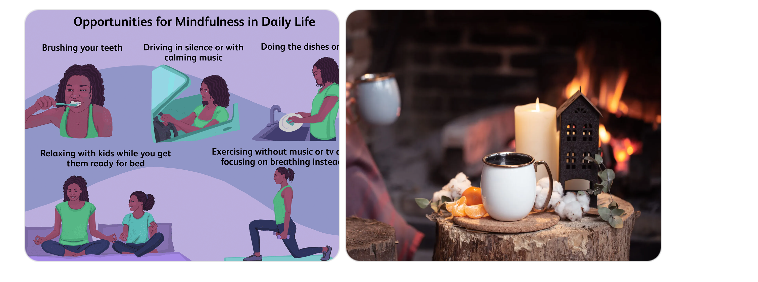
Wellness isn’t just physical, your mental and emotional health matter too. One of the easiest ways to reduce stress is to take small, intentional breaks throughout the day.
A mindful break can look like:
Sitting quietly with your eyes close
Listening to calming music
Stepping outside for fresh air
Practicing slow, deep breathing
Writing in a gratitude journal
These short pauses can help you reset, regulate your emotions, and prevent overwhelm from building.
7. Stay Connected With Loved Ones
Stress sometimes makes us want to isolate, but reaching out to friends or family can do wonders. Social connection is a powerful stress reliever that offers encouragement, comfort, and perspective.
Whether it’s a quick phone call, a lunch date, or sending a simple text, staying connected can support your emotional well-being and remind you that you’re not alone.
8. Practice Small Acts of Self-Care Daily
Self-care doesn’t need to be fancy or expensive. It simply means doing something that helps you feel more balanced.
Everyday self-care ideas:
Read a chapter of a book
Take a warm bath
Light a scented candle
Do a 5-minute face mask
Enjoy a favorite hobby
The key is to make self-care a habit, not a rare treat.
Here’s My Final Thoughts: Little Habits Lead to Big Results
Staying healthy during stressful seasons isn’t about being perfect, it’s about being consistent. When you take small steps to care for your body, mind, and spirit, you build resilience that carries you through busy times and supports your well-being all year long.
Start with one or two habits from this list and slowly build from there. Your future self will thank you, and your stress levels will too.




Great tips! I already drink water first thing in the morning and take mindful breaks. Now, not checking social media is such a challenge! But I’ll try!
I have started Journaling and reading books and i can feel a vast change in my energy levels and mindset.
These are great tips. It’s really the small changes you make that have the most impact because you can actually stick to them!