
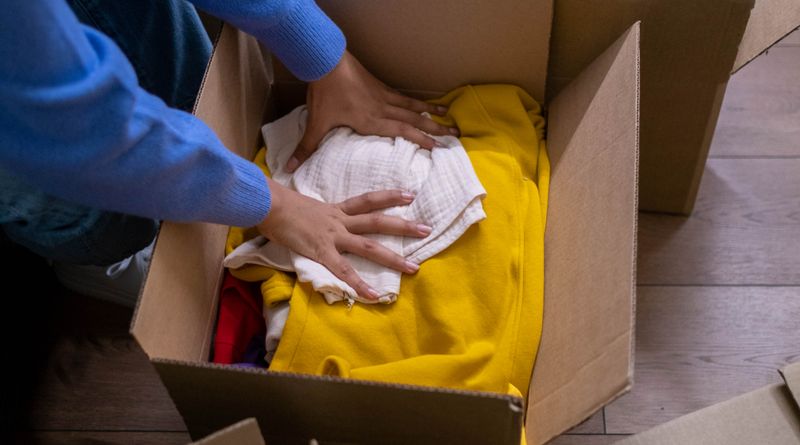
How to Pack Away Summer Clothes Now That Fall Is Here
What is the best way to store summer clothes?
Sort your summer clothes, wash them according to their care labels, and let them dry completely. Fold everyday pieces without packing them too tightly, then keep them in a clean, cool, dry place away from direct sunlight. Set aside anything you still wear during warmer fall days.
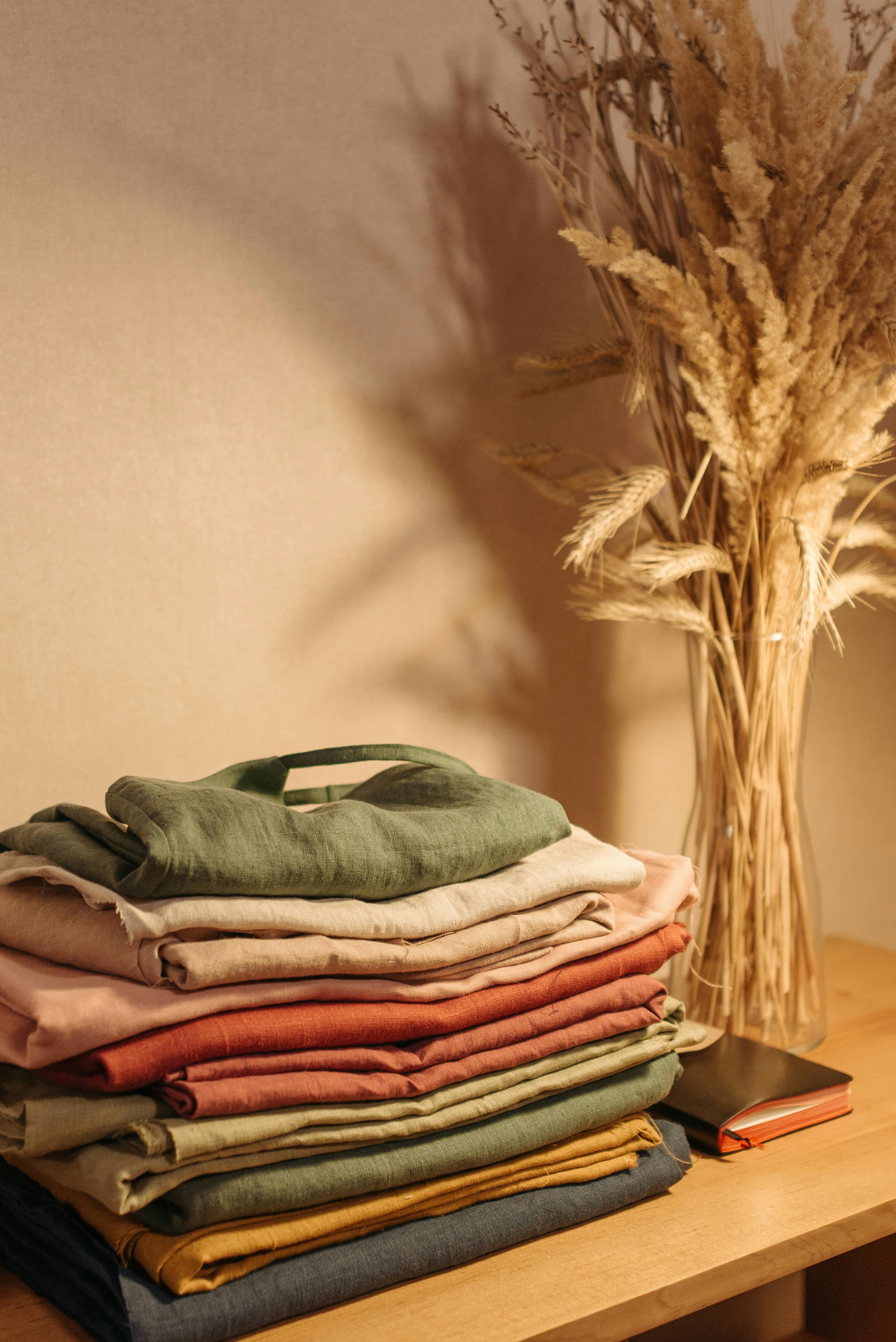
Start with a quick closet check
Pull out your summer clothing and make three groups: pieces to store, pieces to keep handy, and pieces to donate or repair. If you did not wear something all summer, ask yourself whether you are likely to reach for it next year. There is no need to give valuable storage space to clothes that no longer fit your life.
Keep a few light shirts or layering pieces within reach. Fall weather can change quickly, and you may still want them on a warm afternoon or for a trip to a warmer destination. While you are making room in the closet, you can also give your bedroom a quick seasonal refresh.
Wash everything before it goes away
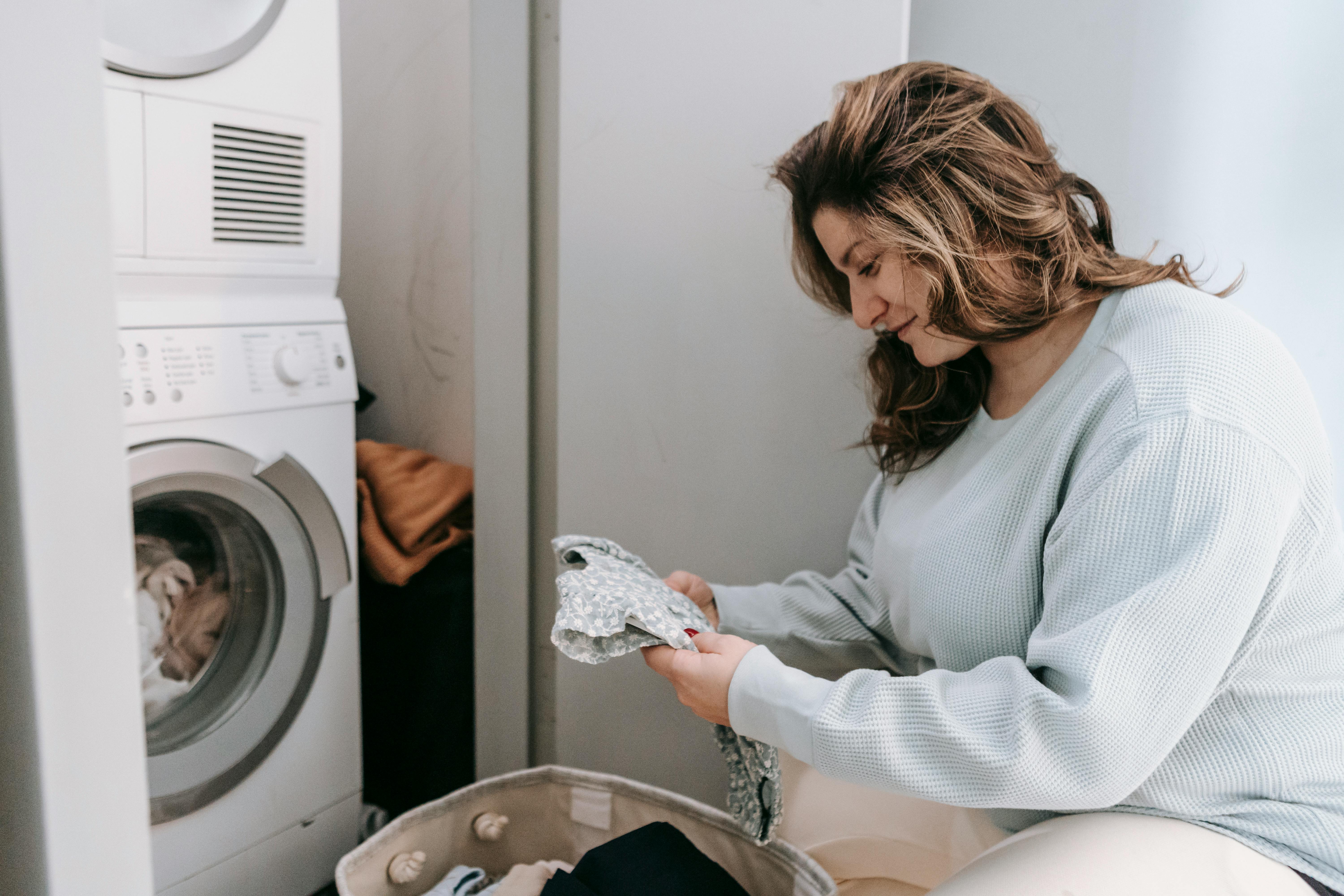
Even clothing that looks clean may have sunscreen, body oils, or small food stains on it. Check each care label, treat any visible spots, and wash or dry clean the piece as directed. Make sure every item is completely dry before you pack it. Damp fabric stored for months can develop a musty smell or mildew.
This is also a good time to check pockets, close zippers, and note any loose buttons or small tears. Taking care of those little details now makes unpacking much easier.
Choose storage that fits the clothing
Clean storage bins work well for many everyday pieces when kept in a dry, temperature stable room. Leave enough space that clothes are not crushed. For delicate, vintage, or especially meaningful garments, consider an archival box and suitable acid free tissue to support folds. The Smithsonian’s clothing and textile care tips offer more guidance for pieces you want to preserve.
A closet shelf or bedroom storage area is usually a better choice than a damp basement or a hot attic. The Smithsonian recommends a clean, cool, dry, dark space for antique textiles, away from big changes in temperature and humidity. Those are useful qualities to look for when choosing a spot for your seasonal wardrobe, too.
Fold gently and keep outfits together
Fold T shirts, shorts, swimsuits, and casual dresses into loose stacks. Place heavier items at the bottom and lighter fabrics on top. If a delicate piece develops sharp creases easily, give it extra room instead of pressing it beneath a full pile.
You can group clothing by family member or type, whichever makes it easier to find next spring. A simple label such as “Summer dresses” or “Kids’ summer clothes” saves you from opening every container later.
Do not forget shoes and accessories
Wipe down sandals, clean them as their materials allow, and let them dry before storing them. Empty beach bags, shake out hats, and check swimsuits for lingering sand. Keeping accessories together means your summer wardrobe will be easier to bring back out when warm weather returns.
A few minutes now make next spring easier
Packing away summer clothes does not have to take an entire weekend. Start with one drawer or one section of the closet, clean what you plan to keep, and store it where it will stay dry and easy to find. Once the closet is ready, try these easy ways to make your home feel cozy this fall.
Quick questions about storing summer clothes
Should I wash summer clothes before storing them?
Yes. Follow the care labels and make sure everything is fully dry before packing it away. Check for small stains even if a piece looks clean at first glance.
Where should I store seasonal clothing?
Choose a clean, cool, dry space with a fairly steady temperature. Avoid areas with moisture, pests, or strong direct sunlight.
Can I keep clothes in plastic storage bins?
Bins can be convenient for everyday clothes in a dry indoor space. Check that the clothes and bin are completely dry, avoid overpacking, and use more careful storage methods for fragile or valuable textiles.




These are excellent tips expecially if you manage a household and have young school age children. Honestly, I just move items from one closet to the next and some clothing I wear year round regardless of season. Since I’m into sports, I wear my running shoes year round and add clothing layers as needed.
I need to figure out storing seasonal clothes, as I moved to North Carolina recently and I am short on space and I have much less space for my clothing. These are great tips!
I need to start using these tips. I just keep everything crammed in my closet and drawers. It’s not ideal.
I love the idea of an archival box for special pieces. That’s an excellent way to ensure longevity without having pieces cluttering up your closet.
I have a vacuum system that sucks the air out of bags I put my clothing in. It’s a great way to keep them safe and organized while maximizing space.
It’s always challenging to pack out of season clothes. These are great tips to consider. Thanks for sharing, we gotta try these!
I am in Texas, so a lot of my summer wardrobe just stays out all year long. It’s usually pretty warm here, so you never know when the shorts will be needed again. If I loved at a spot where there were actual different seasons, I’d probably put stuff away.
I recently moved to North Carolina, and it is still very warm here. But these are good clothes storage tips, since my wardrobe has changed quite a bit since moving here. For once, I need far less winter clothing!