
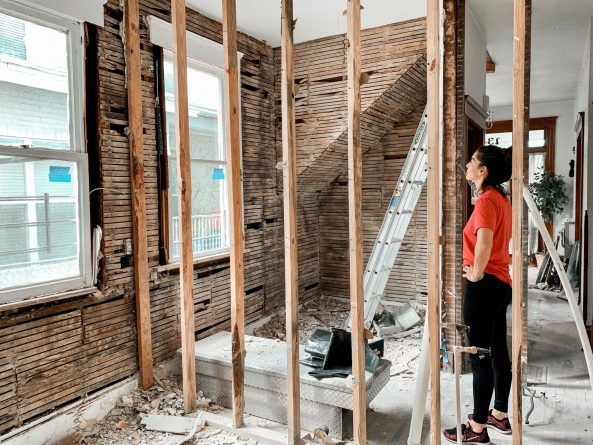
How to Create a Realistic Home Renovation Budget Before You Start
Planning a home renovation can be exciting, but it’s also one of the easiest ways to spend more than you expected. Whether you’re updating a kitchen, remodeling a bathroom, replacing a roof, or tackling several projects at once, creating a realistic budget before work begins can help you avoid financial stress later.
A renovation budget isn’t just about deciding how much you’re willing to spend. It’s about understanding every cost that may arise and leaving enough flexibility for the unexpected.
Here are several steps that can help you build a budget that reflects the true cost of your project.
Define Your Goals Before Pricing Anything
Before requesting estimates or shopping for materials, decide exactly what you want to accomplish.
Are you remodeling to improve your family’s daily life, increase your home’s value, replace worn-out features, or prepare to sell? Your priorities will influence where your money is best spent.
Making these decisions early also helps contractors prepare more accurate estimates and reduces the chance of expensive changes once construction begins.
Research Typical Costs
Having a general understanding of renovation costs makes it easier to recognize whether an estimate is reasonable.
Look at recent local projects, speak with multiple contractors, and research the average price range for renovations similar to yours. While every home is different, knowing what projects typically cost provides a helpful starting point before requesting formal proposals.
Remember that labor costs, material prices, and permit requirements can vary significantly depending on your location.
Get Multiple Contractor Estimates
Requesting at least three estimates gives you a better understanding of current market pricing.
Instead of automatically choosing the lowest proposal, compare what’s included in each estimate. One contractor may include demolition, permits, cleanup, premium materials, and warranties, while another may list only the basic construction work.
Looking beyond the final price often provides a much clearer picture of the project’s actual value.
Don’t Forget the Hidden Costs
Many renovation budgets fall short because homeowners focus only on the contractor’s quoted price.
Depending on the project, additional expenses may include:
- Permit and inspection fees
- Architectural or engineering plans
- Material upgrades
- Temporary storage
- Hotel accommodations if parts of the home become unusable
- Landscaping repairs
- Painting and finish work
- Appliance replacement
- Furniture or window treatments
Some of these costs may already be included in your contractor’s proposal, while others may not. Reviewing the estimate carefully can help identify potential gaps before construction begins.
Build a Contingency Into Your Budget
Even well-planned renovations can uncover surprises.
Older homes may reveal water damage, outdated electrical systems, plumbing issues, or structural repairs that weren’t visible before demolition began. Rather than hoping nothing unexpected happens, many homeowners set aside an additional contingency fund to help cover unforeseen expenses if they arise.
Having that financial cushion can make difficult decisions much less stressful if the project changes along the way.
Consider Your Payment Options Early
After you’ve estimated the total cost of your renovation, it’s a good time to think about how you’ll pay for it.
Some homeowners prefer using savings, while others choose financing to preserve their emergency fund or avoid withdrawing money from long-term investments. There isn’t a single right approach, but it’s worth exploring your options before construction begins so you can make an informed decision.
Before meeting with contractors, it’s worth taking time to learn how home improvement financing works. You can learn more by visiting https://www.pashafunding.com and https://www.pashafunding.com/about/.
Separate Must-Haves From Nice-to-Haves
It’s easy to become inspired while browsing design websites and home improvement shows.
Before selecting finishes, divide your wish list into two categories: features you truly need and upgrades that would simply be nice to have.
If costs begin exceeding your original budget, this approach makes it much easier to postpone lower-priority items without sacrificing the overall success of the renovation.
Think Beyond the Initial Price
The least expensive option isn’t always the best long-term value.
Higher-quality materials, experienced workmanship, energy-efficient products, and stronger warranties may increase your upfront investment but reduce maintenance and replacement costs over time.
Looking at the total value of the project instead of focusing only on the initial price often leads to better long-term decisions.
Start Your Project With Confidence
A realistic renovation budget does more than establish a spending limit. It helps set expectations, reduce financial surprises, and make better decisions throughout the project.
By defining your goals, comparing contractor estimates, accounting for hidden costs, planning for unexpected expenses, and understanding your payment options before construction begins, you’ll be in a much stronger position from day one.
With thoughtful planning and a well-prepared budget, your renovation is far more likely to stay on track from the first estimate to the final walkthrough.



Thank you for pointing out these hidden costs. They’re so easy to overlook, but they can really add up and have a big impact on the overall budget. I also appreciate that you included hotel accommodations. As someone with asthma, having a comfortable and suitable place to stay is something I always prioritize, so it’s definitely an expense worth planning for.
Getting several detailed quotes instead of simply choosing the cheapest one is a smart reminder. Renovations always seem to uncover something unexpected once the work begins. A little extra planning beforehand can save a lot of worry later.
It is so important to budget and know costings for labour and materials before starting any renovation project. It’s amazing how quickly costs can spiral out of control. Getting multiple contractors to give estimates is important as well as being realistic with what you can actually afford rather than what would be nice to have.
You made some good points like building in a contingency fund for surprises like hidden plumbing issues is really useful in case there’s another renovations.
I love all of these tips! We are planning on doing some home renovation soon, so I am bookmarked this page. First up for us is the master bath!!
Planning a house makeover usually costs way more than what people actually plan for. Setting aside extra money for surprises makes the entire process so much easier.
We are just starting a massive renovation project on a house we just purchased. Luckily, we aren’t moving in for almost a year, so we don’t have to deal with the temporary living space or moving things out of there. But we are in the process of setting the budget and getting quotes right now.
This is SUCH important information. When we did our first remodel, we were shocked at how much things can cost!
This is excellent advice for anyone planning a renovation! Creating a realistic budget before starting helps reduce stress, avoid surprises, and make every improvement feel more rewarding and financially manageable.
Your articles are always well structured, making it easy for a layman to grasp the concept. I haven’t moved out yet, but it’ll happen eventually. It’s a nerve-wracking experience, but it’s all part of the journey of life right?
I need to keep this in mind. Eventually I want to re-do the kitchen, but I know I MUST stay in budget. I always research!
This is super helpful and so comprehensive. We did a renovation about 8 years ago and the contractor was excellent. He was on time and on budget, which is a rarity. Your tips help ensure that, though.
A great article for anyone planning a home renovation.
Setting a realistic budget in advance is one of the best ways to avoid unexpected expenses and keep your project on track.
The point about hidden costs like permits and temporary storage is exactly where budgets tend to fall apart. Splitting the wish list into must-haves and nice-to-haves is such a practical way to protect the project once things get expensive. And the contingency fund advice is spot on, especially with older homes where you never really know what is behind the walls until you open them.