
From Ancient Roman Baths to Modern Solar-Powered Homes
Using the sun to heat buildings may sound like a modern approach to energy efficiency, but the idea has a much longer history. From ancient bathing facilities to residential solar panels, people have continually explored ways to use available energy to make indoor spaces more comfortable. Today, solar technology offers homeowners another option for managing household energy use, while renovations provide opportunities to improve the spaces where daily life happens. Looking at how these ideas have evolved helps put modern home improvements into perspective.
The Long History of Solar Heating
Solar heating has roots that reach far beyond modern residential technology. Ancient builders understood that sunlight could contribute to indoor comfort, and they incorporated design features that made use of natural warmth. Roman baths provide an early example of how solar energy could influence the way buildings were designed and heated.
According to AOS Bath, the Romans were using energy from the sun to heat their bathhouses as far back as 6,000 years ago. This historical connection shows that using sunlight to create comfortable indoor environments is not an entirely new concept. Although ancient methods differed significantly from today’s technology, the underlying idea of making practical use of the sun has remained relevant.
Modern homeowners can apply similar thinking when considering how their properties use natural resources. Window placement, insulation, and building orientation can all influence how a home gains and retains heat. These considerations may be especially useful during renovations, when walls, windows, and other structural features are already being updated. While passive solar design is different from installing solar panels, both approaches involve considering how sunlight can contribute to a home’s energy needs.
How Modern Solar Panels Convert Sunlight Into Energy
Today’s solar technology gives homeowners a way to generate electricity from sunlight rather than relying entirely on energy supplied through the traditional power grid. Solar panels use photovoltaic cells to convert sunlight into electrical energy that can be used by household appliances, lighting, and other systems. Their performance depends on several factors, including panel design, placement, shading, and available sunlight.
However, solar panels do not convert all the sunlight they receive into usable electricity. According to Cemex, most solar panels have energy efficiency ratings ranging from 11% to 15%. This means that a portion of the sunlight reaching a panel is converted into electricity, while the remaining energy is not captured for electrical use.
Understanding efficiency ratings can help homeowners evaluate solar options more realistically. A panel’s rating is only one consideration when determining whether a system is appropriate for a particular property. Roof orientation, available installation space, shading from nearby trees, and household electricity needs can also influence the potential benefits.
Before investing in solar panels, homeowners should consider how much electricity their household uses and whether their roof is suitable for installation. Comparing system specifications and discussing property-specific conditions with qualified installers can help clarify what a solar setup may accomplish.
Combining Energy Improvements With Interior Renovations
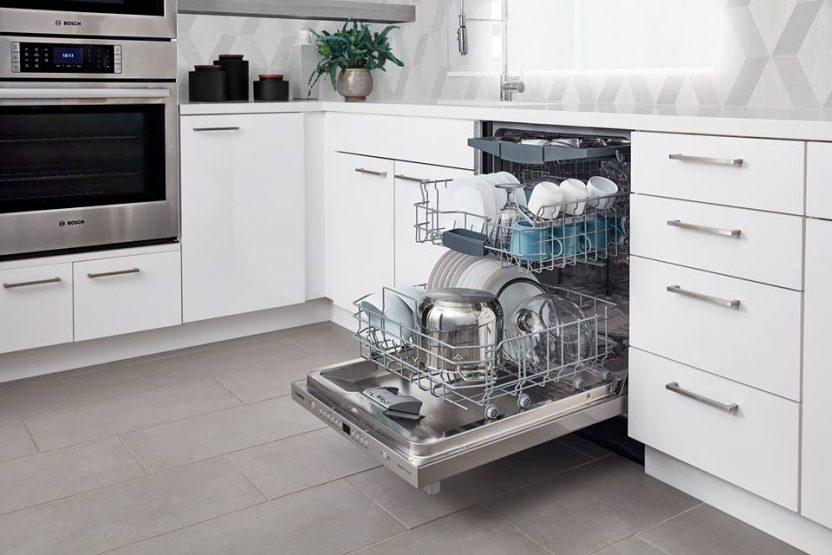
Solar technology is one way to modernize a home, but energy improvements are only part of a homeowner’s renovation priorities. Kitchens and bathrooms also receive considerable attention because they are used frequently and influence the comfort and functionality of a property. Updating these spaces can involve improving layouts, replacing fixtures, upgrading lighting, or selecting materials that better suit household needs.
According to RubyHome, kitchens and guest bathrooms were the most popular renovation projects in 2024, with 24% of homeowners renovating each space. This demonstrates how often homeowners prioritize practical interior improvements alongside other property upgrades.
When planning renovations, consider how different projects may complement one another. A kitchen remodel, for example, could include energy-efficient appliances and improved lighting. A guest bathroom renovation might provide an opportunity to install efficient fixtures or update ventilation. These changes address everyday household needs while creating opportunities to consider resource use.
It can also be helpful to plan projects together when they involve overlapping construction work. Coordinating electrical updates, insulation improvements, and interior renovations may make the overall process more organized. Homeowners should still prioritize projects according to their property’s condition, budget, and long-term plans.
From ancient solar heating methods to modern photovoltaic systems, the use of sunlight has continued to influence how people think about comfortable buildings. Today’s homeowners can explore solar technology while also improving kitchens, bathrooms, and other frequently used spaces. By considering both energy needs and everyday functionality, you can make home improvement decisions that reflect how you want your property to serve you.