
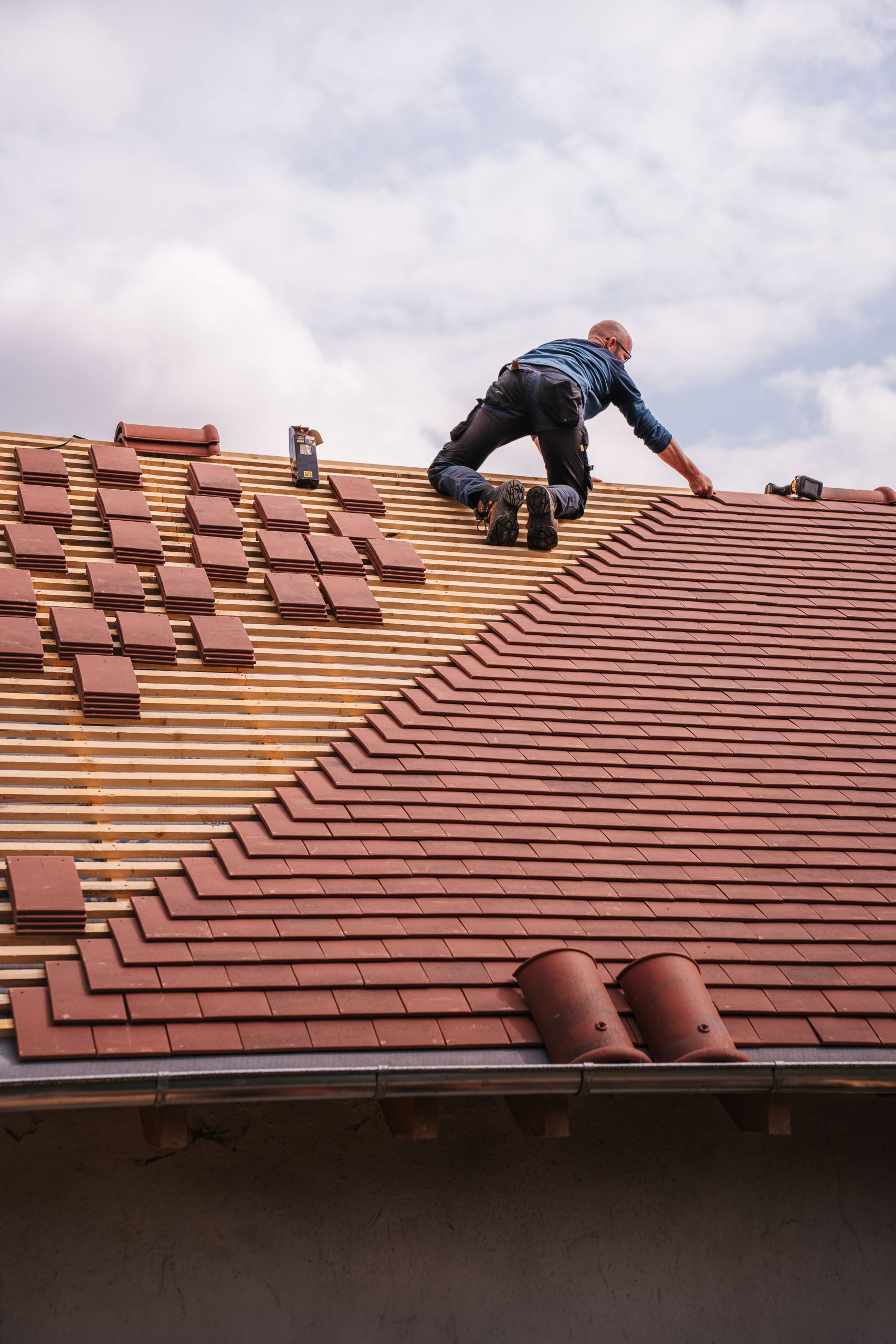
How Long Does a Roof Last in Florida? Signs It’s Time for Replacement
Florida homeowners deal with roofing conditions that are very different from those in many other parts of the country. Intense sunlight, high temperatures, humidity, heavy rain, strong winds, and tropical storms can all affect how quickly a roof ages.
So, how long does a roof last in Florida? There is no single answer. The expected lifespan depends on the roofing material, installation quality, maintenance, ventilation, storm exposure, and the overall condition of the roof.
For many Florida homes, an asphalt shingle roof can last roughly 15–25 years, while metal and tile roofing systems can last considerably longer. However, a roof may need attention well before or after these general timeframes. If your roof is showing signs of significant wear or damage, learning more about roof replacement can help you understand your options. The important thing is to look at the condition of the entire roofing system rather than relying on age alone.
How Long Do Different Types of Roofs Last in Florida?
The material used on a roof is one of the biggest factors affecting its expected lifespan.
Asphalt Shingle Roofs
Asphalt shingles are one of the most common roofing choices for Florida homes. A properly installed architectural shingle roof may last around 20–25 years, although local weather conditions and maintenance can make a significant difference.
Florida’s strong UV exposure and heat can accelerate the aging process. Heavy rain and high winds can also damage individual shingles or roofing components, particularly during storm season.
If an asphalt roof is approaching the end of its expected service life, homeowners should pay closer attention to signs of deterioration and schedule a professional inspection.
Metal Roofs
Metal roofing can provide a significantly longer service life than asphalt shingles. A quality metal roofing system may last around 40–50 years or more when properly installed and maintained.
Metal is also an increasingly popular choice for homeowners concerned about durability and Florida’s challenging weather conditions. However, the longevity of a metal roof still depends on the quality of the materials, installation, fasteners, flashing, and maintenance.
Concrete and Clay Tile Roofs
Concrete and clay tile roofs can have very long service lives, with some systems lasting 50 years or more.
The tiles themselves may remain in good condition for decades, but that does not mean the entire roofing system can be ignored. Underlayment, flashing, fasteners, and other components can deteriorate over time and should be inspected periodically.
Why Does Florida Weather Affect Roof Lifespan?
A roof in Florida is exposed to several environmental factors throughout the year.
- Intense Sun and UV Exposure
Florida receives strong sunlight year-round. Prolonged UV exposure can gradually break down roofing materials and contribute to discoloration, brittleness, cracking, and other signs of aging.
- Heat and Temperature Changes
Roofing materials expand and contract as temperatures change. Repeated heat cycles can place stress on shingles, flashing, seals, and other components.
- Humidity and Moisture
Florida’s humid climate creates additional challenges for roofing systems. Moisture can contribute to deterioration when water finds its way beneath damaged or aging roofing materials.
- Heavy Rain and Strong Winds
Frequent rain can expose weaknesses in flashing, seals, shingles, and drainage systems. Strong winds can loosen or remove roofing materials, especially when a roof has already begun to deteriorate.
- Hurricanes and Tropical Storms
Storm exposure can dramatically change the condition of a roof. Even when damage is not immediately visible from the ground, wind and debris can affect shingles, flashing, vents, and the underlying roofing system.
For this reason, a roof inspection after a significant storm can help identify problems before they become larger and more expensive to address.
8 Signs Your Roof May Need Replacement
Age alone does not necessarily mean a roof needs to be replaced. However, several warning signs can indicate that a roofing system is approaching the end of its useful life.
Your Roof Is Near the End of Its Expected Lifespan
If your asphalt shingle roof is approaching 20–25 years old, it is worth having its condition evaluated even if there are no obvious leaks.
An older roof may still have useful life remaining, but an inspection can help determine whether repairs are sufficient or whether replacement should be planned.
Shingles Are Curling, Cracking, or Missing
Damaged shingles are one of the easiest warning signs to spot.
Look for:
- Curling or lifted shingle edges
- Cracked shingles
- Missing shingles
- Loose roofing materials
- Areas that appear significantly more worn than others
A few damaged shingles may be repairable. Widespread deterioration, however, can indicate that the entire roof is aging.
You Are Finding Excessive Granules in the Gutters
Asphalt shingles gradually lose granules as they age. Finding some granules in gutters is not necessarily a serious problem, but a significant increase can indicate accelerated wear.
If large areas of shingles appear bare or noticeably thinner, a professional inspection can help determine the extent of the deterioration.
Your Roof Has Repeated Leaks
A single, localized leak does not automatically mean you need a new roof. In some cases, a professional can identify and repair the specific source.
Repeated leaks in different areas are more concerning. They may indicate that the roofing system is experiencing broader deterioration rather than one isolated problem.
You Notice Sagging or Soft Areas
A visibly sagging roof should not be ignored.
Sagging can be associated with problems involving the roof structure or decking, particularly when moisture has entered the roofing system. This requires professional evaluation rather than a simple cosmetic repair.
Your Roof Has Significant Storm Damage
After a major storm, homeowners should look for missing or damaged shingles, damaged flashing, fallen branches, and signs of water intrusion.
Not all storm damage requires complete replacement. The appropriate solution depends on the type, location, and extent of the damage.
Repairs Are Becoming More Frequent
Frequent repairs can be a sign that an aging roof is reaching the end of its useful life.
If homeowners are repeatedly paying to repair different sections of the same roof, it may be worth comparing the long-term cost of continued repairs with the cost of replacing the roofing system.
The Roof’s Overall Condition Has Declined
Sometimes there is no single dramatic problem. Instead, a combination of smaller warning signs can indicate that a roof is nearing the end of its service life.
Widespread discoloration, aging shingles, damaged flashing, recurring leaks, and previous storm damage should all be considered together when evaluating a roof.
Roof Repair or Roof Replacement: Which Do You Need?
One of the most important questions for a homeowner is whether a damaged roof actually needs to be replaced.
A small, isolated problem may only require a repair. For example, a few damaged shingles or a localized flashing issue can potentially be addressed without replacing the entire roof.
Replacement becomes more likely when there is widespread deterioration, extensive storm damage, repeated leaks, structural problems, or a roof that is already near the end of its expected lifespan.
The decision should be based on the condition of the entire system rather than on one symptom.
A professional inspection can help answer an important question: Can this roof reasonably be repaired, or is replacement the better long-term option?
How to Extend the Life of a Florida Roof
Regular maintenance can help homeowners get the most from their roofing investment.
- Schedule Regular Inspections
Periodic inspections can identify minor issues before they develop into larger problems. An inspection is particularly useful when a roof is getting older or after significant storm activity.
- Address Small Problems Quickly
A loose shingle, damaged flashing, or minor leak may be relatively straightforward to address when discovered early. Delaying repairs can allow water to reach parts of the roofing system that are more expensive to replace.
- Keep Gutters and Drainage Areas Clear
Proper drainage helps prevent water from accumulating around the roof. Gutters and downspouts should be kept clear of leaves and other debris.
- Check Attic Ventilation
Adequate ventilation can help manage heat and moisture in the attic. Problems with ventilation can contribute to premature aging of roofing materials.
- Inspect the Roof After Major Storms
Storm damage is not always obvious from the ground. A professional inspection can identify issues that may otherwise remain unnoticed until a leak develops.
When Should You Start Planning for Roof Replacement?
Homeowners do not necessarily need to replace a roof simply because it has reached a certain age. However, knowing the approximate age of the roof can help with planning.
For example, a homeowner with a relatively new roof may primarily need routine maintenance. Someone with a 15-year-old asphalt shingle roof may want to start monitoring its condition more closely, particularly if the roof has experienced multiple storms.
Once an asphalt roof approaches the latter part of its expected lifespan, homeowners should consider getting a professional assessment and understanding their replacement options before an emergency occurs.
Planning ahead can also make it easier to compare materials, estimates, warranties, and installation schedules rather than making a decision during an active leak or storm emergency.
How a Professional Roof Inspection Can Help
It can be difficult to determine the remaining life of a roof from the ground. Even visible damage does not always tell the whole story.
A professional inspection can evaluate shingles or other roofing materials, flashing, penetrations, visible decking issues, storm damage, and other components of the roofing system.
For homeowners in Florida, choosing a licensed and insured roofing contractor is also important. The contractor should be able to explain what was found and clearly distinguish between repairs that are necessary now and replacement that may be appropriate later.
For homeowners who want to learn more about their options, roof replacement can be considered when a roofing system is significantly aged or damaged. Florida’s Best Roofing, based in Bunnell, serves homeowners across Flagler, Volusia, and St. Johns counties and provides free inspections and written estimates. The company also offers shingle, metal, and tile roofing systems designed for Florida conditions.
When Is It Time to Replace Your Florida Roof?
A roof can protect your home for many years, but Florida’s weather can gradually take its toll. If your roof is approaching the end of its expected lifespan, showing widespread damage, or requiring frequent repairs, it may be time to have it professionally evaluated.
The right decision is not always a replacement. In some cases, a targeted repair can extend the life of your roof for years. A professional inspection can help you understand the condition of your roofing system and determine which option makes the most sense for your home and budget.


This is such an interesting read! I honestly had no idea Florida’s weather could affect a house this much, especially the roof. It definitely makes me realize how important it is to choose the right materials if we want them to last.
This is very good to know…Mine is shingles, and I was told it lasts about 10 years so I am getting ready to replace it in a few years.
This article is super helpful and information. My friend has a roofing business in Florida. The storms and fierce weather have certainly kept them busy these last years. So important to keep our roof maintained (and our families safe).
You know, this is actually something that I was curious about. Since Florida has such a wide variety of weather, sometimes even in the same day, it makes since you’d need to keep better track of the condition of your roof.
Your roof is so important! When I lived in Upstate New York, we had to shovel the snow off our roof so that it lasted longer.
I didn’t realize how much Florida’s heat, humidity, and storms can shorten the life of a roof. The tip about having it inspected after a major storm was especially helpful since damage isn’t always visible from the ground.
Florida heat and storms really do a number on roofs! Staying on top of inspections is so important down there.
We live in Illinois, and the weather is surprisingly similar on a lot of levels. We ultimately decided on a metal roof.
I have a friend who lives in Florida, and she once told me that their weather seemed tailor-made to be hard on a roof. LOL.
I live in Florida in a 20-year-old home. I had to change my roof about 3 years ago. They say roofs will last 30 years, but not in Florida. I love the metal roofs, but they are so expensive.
It’s good that roofs in Florida last a long time. But as you say, different factors can change that, from weather to leaks. This is an insightful post on this subject!
Lucy | http://www.lucymary.co.uk