
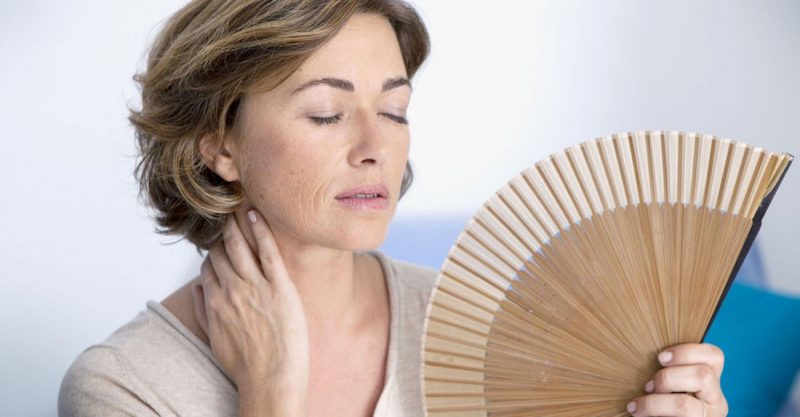
Hot Flashes, Mood Swings? Reduce Symptoms Of The Menopause Naturally
WOW, menopause is no joke.
The night sweats, dehydration, lack of sleep, brain fog, mood swings, low energy, aches, pains, and those moments when you walk into a room and completely forget why you’re there. It can feel overwhelming at times, and for many women, it seems like the symptoms just keep coming.
What surprised me most is how many symptoms aren’t always discussed. Most people know about hot flashes, but many women are caught off guard by the joint pain, muscle aches, fatigue, anxiety, changes in skin, weight fluctuations, and difficulty concentrating. Sometimes it feels like you’re living in a body you barely recognize.
One thing I’ve learned is that you have to become your own advocate. Speak up. Tell your doctor exactly what you’re experiencing and don’t hold back. Every woman experiences menopause differently, and finding relief often requires open conversations and a willingness to explore different options.
Whether you choose medical treatments, natural remedies, or a combination of both, the most important thing is finding solutions that work for your body and your lifestyle. If you’re interested in natural approaches, do your research, ask questions, and consider speaking with a menopause specialist or healthcare professional in your area.
The good news is that while menopause is a natural stage of life, there are ways to help manage many of the symptoms and improve your overall well-being.
What Is Menopause?
Menopause is a completely natural biological process that marks the end of a woman’s reproductive years. It occurs when the ovaries gradually stop producing reproductive hormones and menstrual periods permanently cease.
Most women experience menopause between the ages of 45 and 55, although some may experience it earlier due to genetics, certain medical conditions, surgery, or treatments such as chemotherapy.
The hormonal changes associated with menopause can trigger a variety of symptoms, including hot flashes, night sweats, mood changes, sleep disturbances, food cravings, and fatigue. Bone density can also decline during this time, increasing the risk of osteoporosis.
While hormone replacement therapy is an option for some women, many are interested in natural ways to support their bodies and reduce symptoms during this transition.
Chocolate Sugar Fix
There are many treatment options available to help reduce menopause symptoms, and your healthcare provider can help determine what may be right for you.
This article highlights several natural approaches that may help support your body during this stage of life.
Diet
Hormonal swings can cause us to crave foods that are not always conducive to a healthy diet. While those treats may be satisfying in the moment, the aftereffects can sometimes leave us feeling worse.
To help counteract cravings, try adopting a balanced diet rich in whole foods. It is especially important to avoid dramatic drops in blood sugar levels, as these can send us searching for cookies, candy, or other sugary snacks.
Make sure your diet includes foods rich in vitamin D, calcium, and other nutrients that support bone health. Sunshine can also be a natural source of vitamin D when enjoyed safely and in moderation.
Try to keep your diet as “clean” as possible by limiting highly processed foods. Include plenty of fresh fruits and vegetables, lean proteins, whole grains, and fiber-rich foods. Maintaining a healthy weight can help reduce stress on the joints and may also lessen the severity of hot flashes.
Essential Aromatherapy Oils
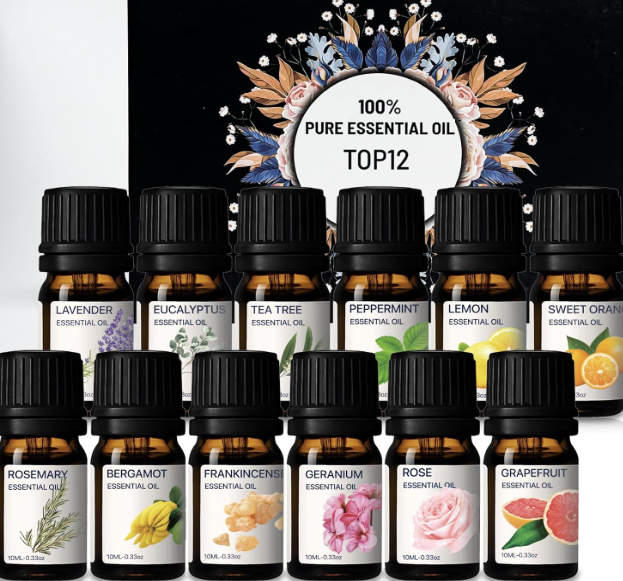
Essential oils have long been used as part of wellness routines and may help some women manage certain menopause symptoms naturally.
Because essential oils are highly concentrated, it is important to follow proper usage guidelines and dilute them appropriately before applying them to the skin.
Clary sage is often used to help promote relaxation and may help with feelings of stress and occasional hot flashes. Some women enjoy diffusing it before bedtime to create a calming environment and help make nighttime more comfortable.
Chamomile is known for its calming properties, peppermint oil provides a cooling sensation, and thyme oil is often used as part of aromatherapy routines focused on balance and relaxation.
While essential oils are not a cure for menopause symptoms, many women find them to be a helpful addition to their self-care routine.
Prioritize Sleep
For many women, sleep becomes one of the biggest challenges during menopause. Night sweats, hot flashes, anxiety, and hormonal fluctuations can make it difficult to fall asleep and stay asleep.
Creating a relaxing bedtime routine may help improve sleep quality. Try keeping your bedroom cool, limiting caffeine later in the day, reducing screen time before bed, and maintaining a consistent sleep schedule.
Even small improvements in sleep can make a significant difference in energy levels, mood, focus, and overall well-being.
Keep Hydrated
During menopause, hormonal changes can contribute to dryness of the skin and body. Hot flashes and night sweats can make dehydration even worse due to increased fluid loss.
Staying hydrated is one of the simplest ways to support your body during this transition. Water is often the best choice, and many health experts recommend drinking enough fluids throughout the day to maintain proper hydration.
Drinking water may also support digestion, help manage appetite, and contribute to overall health and wellness.
Menopause may be a natural part of life, but that doesn’t mean you have to struggle through it alone. Whether you’re dealing with hot flashes, brain fog, mood swings, sleepless nights, or unexpected aches and pains, remember that every woman’s journey is different.
Listen to your body, advocate for yourself, and don’t be afraid to seek support. With the right combination of healthy habits, self-care, and professional guidance, it is possible to navigate menopause with confidence and feel your best during this new chapter of life.




Sleep is key for me at this point in my life. As we age, and menopause kicks in, we sleep less and crave more sweet things. I have found ways to enjoy an afternoon nap if I need one and, after a few nights of staying up late, I make myself go to bed earlier. Hugh intensity sports is my friend but I won’t recommend it to everyone. I’ll recommend yoga which I also do daily.
I completely agree with you here! We should avoid dramatic blood sugar drops at all costs. Only them we can get over sugary cravings. Hydration helps a great deal too!
I found this incredibly helpful. Menopause can bring so many unexpected changes, and your reminders about prioritizing sleep, staying hydrated, and maintaining a balanced diet are both practical and encouraging. Thanks for sharing!
Thank you, I need to keep these in mind. I am getting to this point, and anything that can help with the symptoms is a win for me.
I’m sending this over to my mama ASAP! She’s just started to experience the menopausal symptoms in the last year or so, and the poor thing has been suffering with the onset of the heat this summer. Symptom management will be crucial for her!
I’m bookmarking this. I’m just easing into that part of my life, and I’m already not enjoying it. At all. BUT I for sure don’t want to go on hormones if I don’t have to.
Sharing this with my mom! Thank you!
I know someone you going through menopause I’m going to share this with her. This is super helpful thank you!