
We Bet You Believe These Beauty Myths!
Have you ever tried a beauty tip simply because someone swore it worked? Maybe it came from a friend, a family member, or a video that made the results look almost too good to be true. We have all heard advice that sounds convincing, but some familiar beauty tips deserve a second look.
Between busy mornings, family responsibilities, and finding a little time for ourselves, nobody needs a beauty routine built around bad advice. Let’s clear up three common beauty myths and talk about what actually matters when caring for your skin and hair.
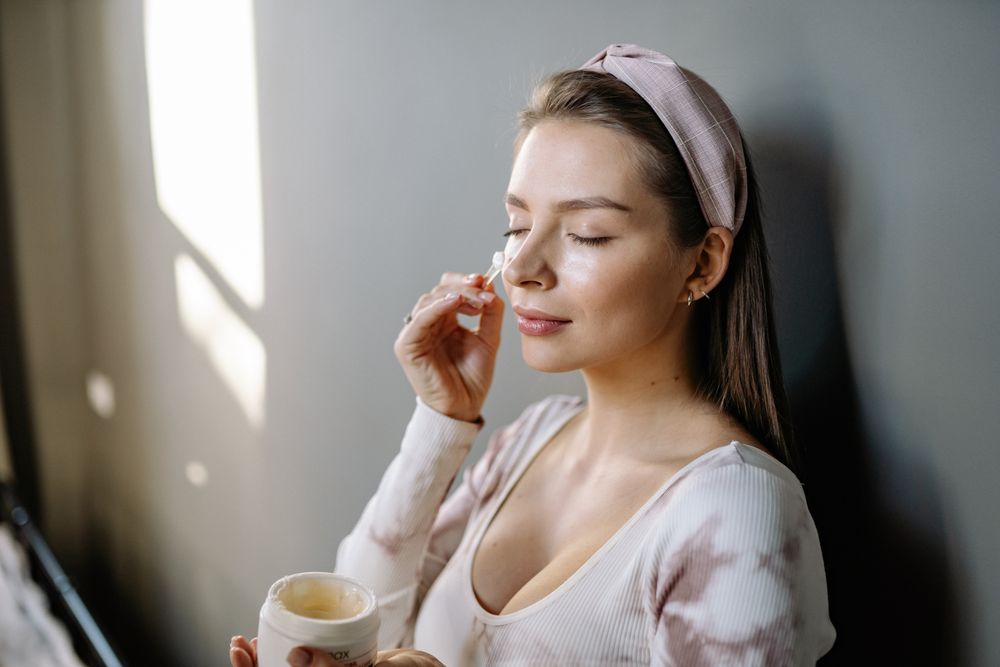
Myth 1: You Can Skip Sunscreen on Cloudy Days
A gray sky might make you reach for a sweater, but it should not make you forget sun protection. Harmful ultraviolet rays can still reach your skin when the sun is hiding behind the clouds. Cooler weather does not automatically mean your skin is protected, either.
The American Academy of Dermatology recommends a broad spectrum, water resistant sunscreen with SPF 30 or higher on exposed skin when you will be outdoors. Reapply approximately every two hours outside and after swimming or sweating, following the product directions.
Sunscreen is only part of the picture. Shade, a wide brimmed hat, sunglasses, and protective clothing can help, too. Whether you are watching the kids play, working in the garden, or enjoying a family walk, sun protection belongs in the plan.
Myth 2: A Kitchen Remedy or More Water Will Clear Acne
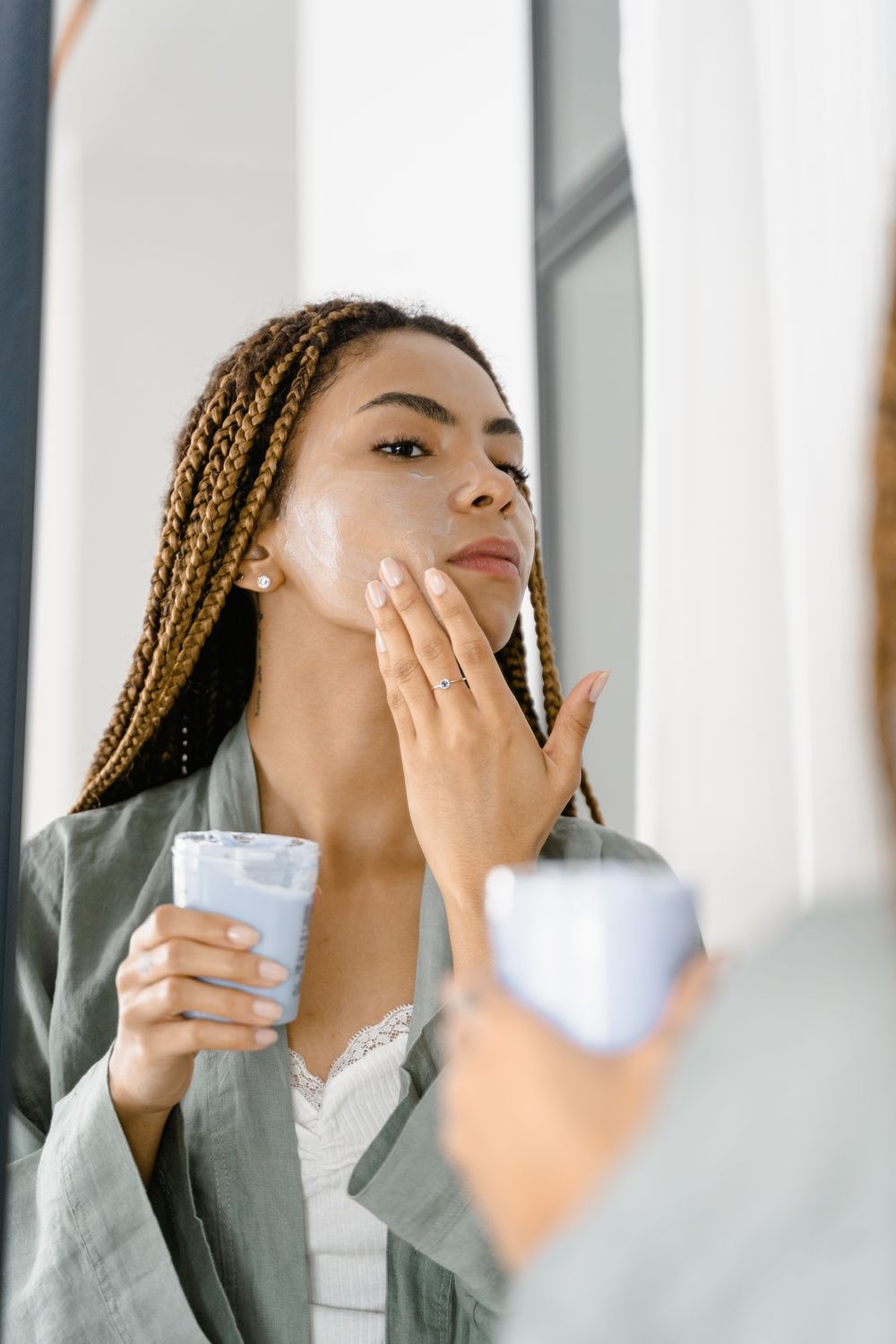
Toothpaste on a pimple might sound like an inexpensive shortcut, but it can irritate your skin. A household product being easy to find does not make it a good acne treatment.
Drinking water and eating nutritious meals are sensible habits, but neither guarantees clear skin. Diet may influence breakouts for some people, yet changing what you eat is not a replacement for appropriate acne care. Acne is also not proof that someone is dirty or failing to wash enough.
A gentle routine is a better starting point than harsh scrubbing or trying a different remedy every night. Use a mild cleanser, avoid picking, and choose products labeled noncomedogenic, meaning they are formulated not to clog pores.
Some acne responds to products available without a prescription. Painful, deep, persistent, or scarring breakouts deserve a dermatologist’s attention. Getting help can save you plenty of frustration and give you a plan suited to your skin.
Myth 3: Coloring Your Hair Always Makes You Go Bald
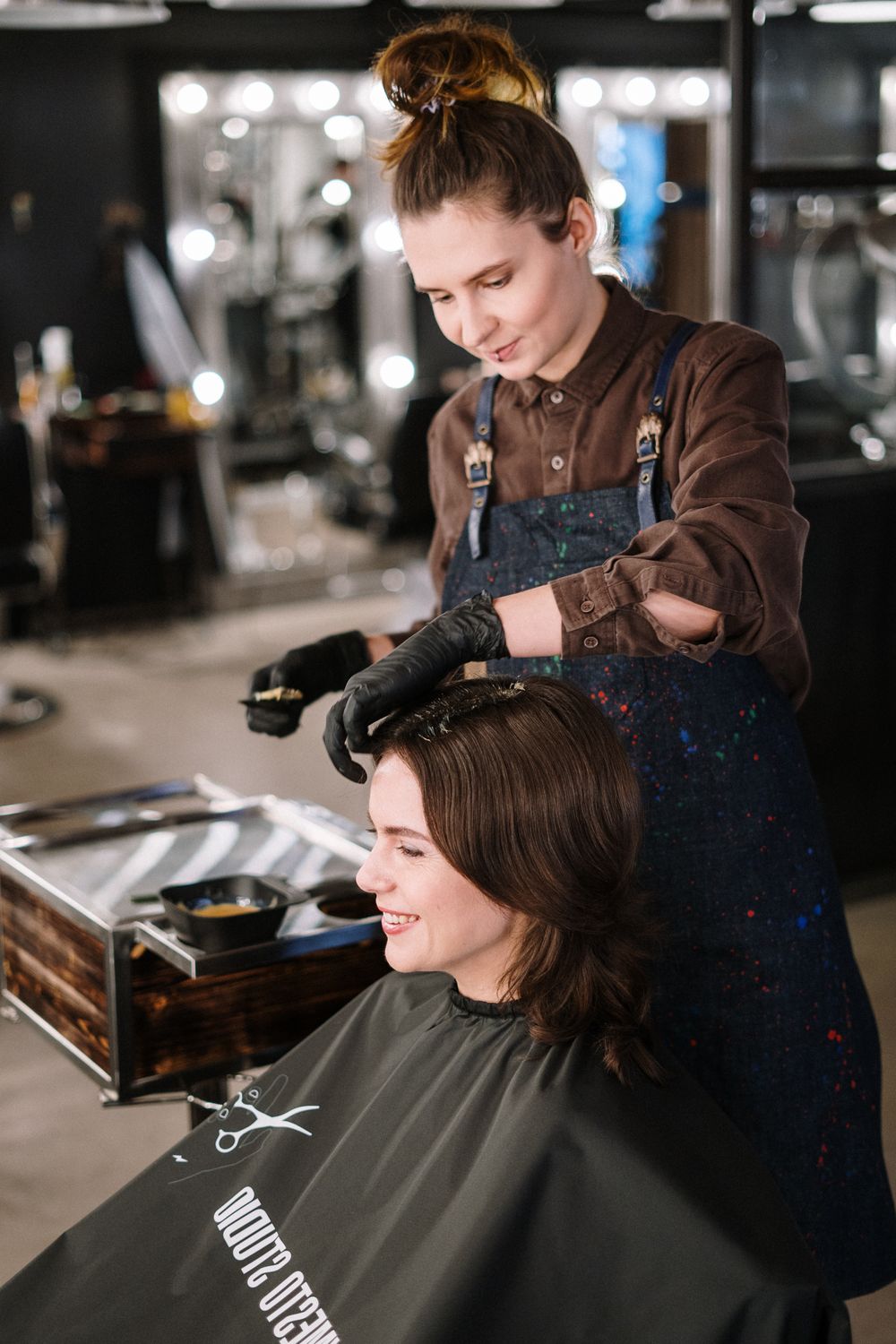
A fresh hair color does not automatically mean you will go bald. However, saying that coloring cannot damage your hair would be misleading, too.
Hair dye and bleach can leave strands dry, brittle, and more prone to breakage. Significant lightening and repeated chemical processing can be especially damaging. Broken strands can make your hair look thinner, while scalp irritation or an allergic reaction is another reason to take product instructions seriously.
Follow the manufacturer’s directions, including allergy testing instructions before each use. A professional stylist can help you choose a realistic color goal and avoid repeatedly processing already fragile hair. If you notice scalp discomfort or unexplained hair loss, speak with a dermatologist.
Thinking about a new look? Visit The Right Hairstyles for hairstyle and color inspiration to discuss with your stylist.
A Little Care Goes Further Than a Beauty Shortcut
Taking care of yourself should feel manageable. You do not need to chase every trend or fill your bathroom with products someone promises will change everything overnight.
Protect your skin, treat it gently, and give your hair the care it needs. When something is painful, persistent, or unusual, asking a qualified professional is a worthwhile step.
Which beauty myth did you believe for years? Share it in the comments. You might help someone else rethink the same advice!


