
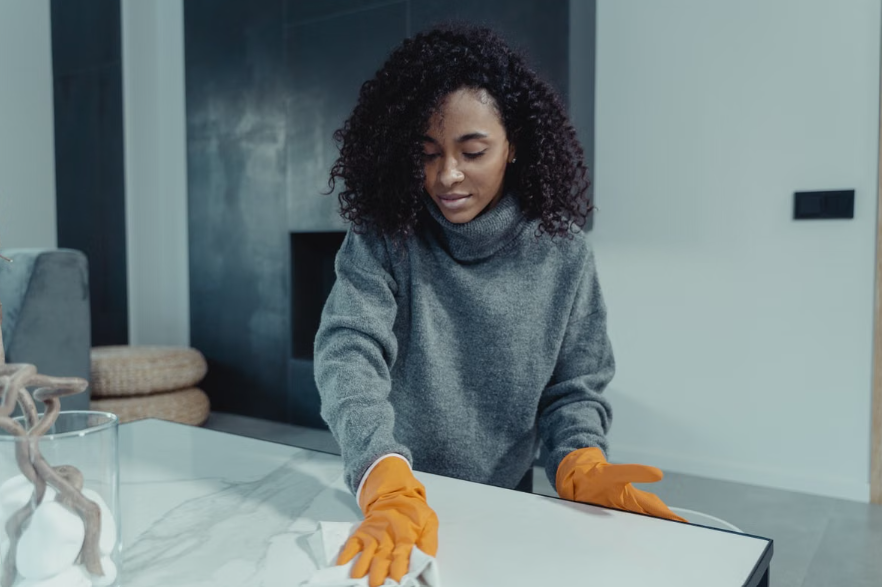
9 Tips for Getting Cigarette Smell Out of Your House
Photo Credit: Tima Miroshnichenko / Pexels
Cigarette smoke has a way of lingering long after the cigarette itself is gone.
The smell can settle into curtains, upholstery, carpeting, walls, bedding and other surfaces,
which is why simply spraying an air freshener usually is not enough.
Maybe you recently moved into a home where someone smoked indoors. Maybe a guest smoked in the
house, or you are helping clean a property that has years of smoke odor built up.
Whatever the situation, removing cigarette smell usually requires cleaning several different
areas of the home instead of relying on one quick solution.
Here are nine practical tips that can help freshen your home and tackle stubborn cigarette odor.
Removing an odor does not necessarily mean all tobacco smoke residue has been removed.
The U.S. Environmental Protection Agency explains that chemicals from smoking can remain on
hard surfaces and become embedded in soft materials such as clothing, upholstery, drapes,
bedding and carpets.
🌬️ 1. Start by Airing Out the House
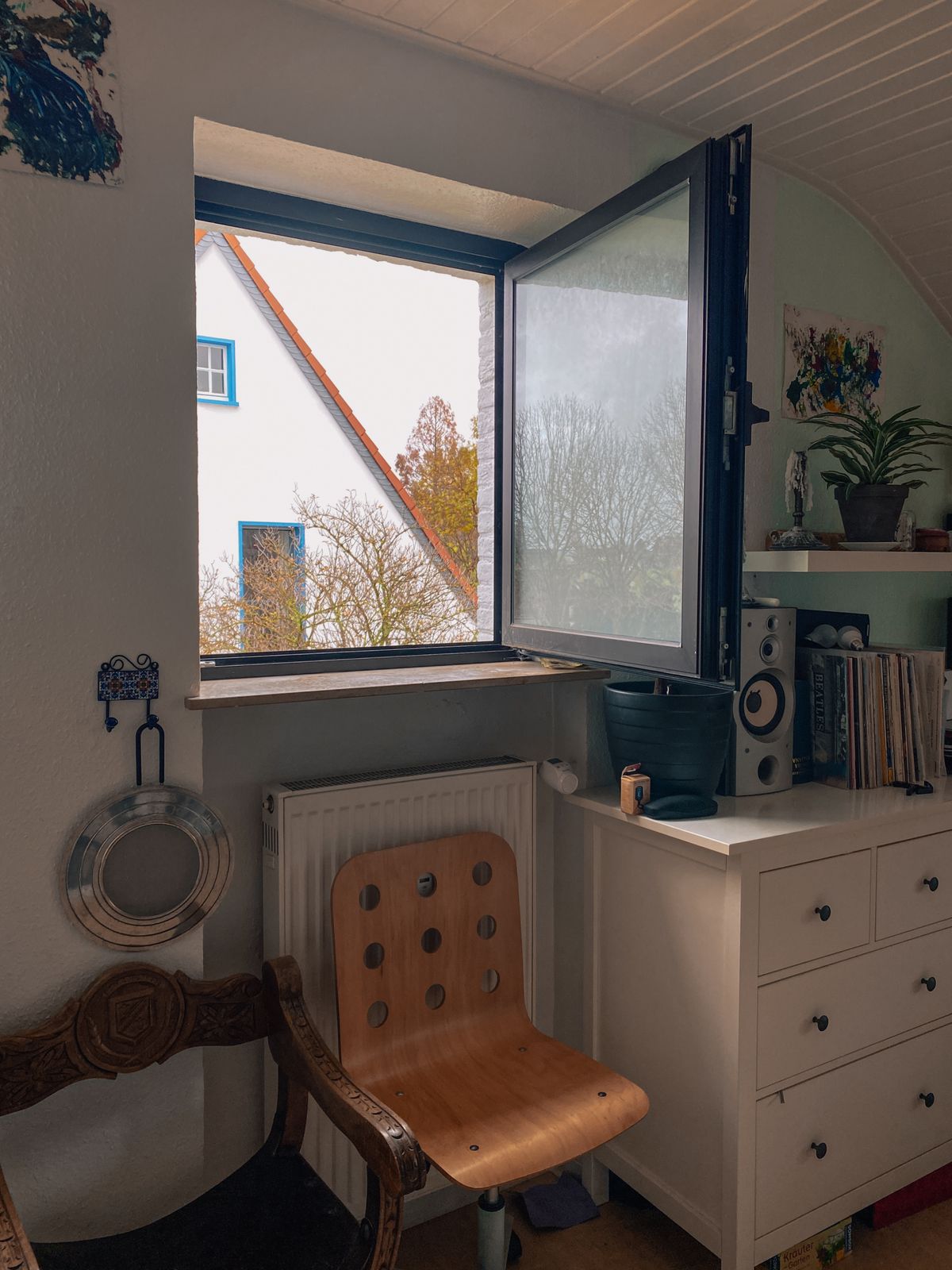
Photo Credit: Santiago Boada / Pexels
Opening windows and doors can help move stale air out of the house while you clean.
If weather permits, open windows on opposite sides of the home to encourage airflow.
You can also use fans to help circulate fresh air through the rooms.
Just remember that ventilation alone is not enough to remove tobacco residue.
The CDC notes that opening windows, using fans, air conditioners or air purifiers does not
eliminate secondhand smoke exposure. The most effective way to prevent new exposure is to
keep smoking completely outside the home.
🧺 2. Wash Curtains, Bedding and Other Fabrics
Fabric absorbs odors easily, which means curtains, bedding, throw blankets, washable cushion
covers and other textiles may continue releasing cigarette smell even after the room itself
has been cleaned.
Check care labels first, then wash washable fabrics using the recommended water temperature
and detergent.
Items that cannot go into a washing machine may need professional cleaning or another
cleaning method appropriate for that particular material.
Do not forget smaller fabric items such as decorative pillows, tablecloths and removable
furniture covers.
Work room by room so freshly cleaned fabrics are not immediately placed back into a room
where the walls, carpets and furniture still hold smoke odor.
🧽 3. Clean Walls and Other Hard Surfaces
Smoke residue can settle on walls, doors, cabinets, shelves, baseboards and other hard
surfaces.
Clean these areas with a product that is suitable for the surface you are working on.
Always test cleaning products in a small hidden area first, especially on painted walls,
wood finishes or delicate materials.
Pay special attention to areas such as:
- Walls and ceilings
- Doors and door frames
- Kitchen cabinets
- Baseboards
- Window frames
- Light fixtures
- Shelving
- Hard furniture surfaces
If a home has experienced years of indoor smoking, walls may require more than ordinary
cleaning. In severe cases, repainting may eventually be necessary after appropriate surface
preparation.
🌿 4. Try OdoBan Disinfectant Odor Eliminator
Sometimes you need a product designed specifically to tackle stubborn household odors.
One option worth considering is
OdoBan Disinfectant Odor Eliminator
.
OdoBan describes its ready to use formula as a multipurpose cleaner, disinfectant,
sanitizer, air freshener, fabric refresher and odor eliminator.
According to the brand, it can be used to eliminate unpleasant odors on washable surfaces
including upholstery, carpets, bedding, walls and floors when used according to the product
directions.
That makes it especially useful when cigarette odor has settled into several different
washable areas of a room.
Always Follow the Label
Different surfaces require different cleaning methods, so read the OdoBan instructions before
applying it.
If you are using the product for disinfecting or sanitizing rather than simply deodorizing,
follow the required surface preparation, contact time and application directions printed on
the label.
The brand also states that the product should not come into direct contact with food.
Do not assume more product works better. Use cleaning products exactly as directed and test
them on an inconspicuous area when you are unsure how a surface will react.
🛋️ 5. Give Upholstered Furniture Extra Attention
Sofas, chairs, mattresses and other upholstered furniture can hold onto cigarette odor for a
surprisingly long time.
Start by vacuuming upholstery carefully using the appropriate attachment.
Remove cushions whenever possible and vacuum underneath them as well as along seams and
crevices.
If the upholstery is washable, follow the manufacturer’s cleaning instructions.
Some pieces may allow water based cleaning while others require solvent based or professional
cleaning.
Never soak upholstered furniture without confirming that the material and filling can handle
moisture properly.
🧹 6. Deep Clean Carpets and Rugs
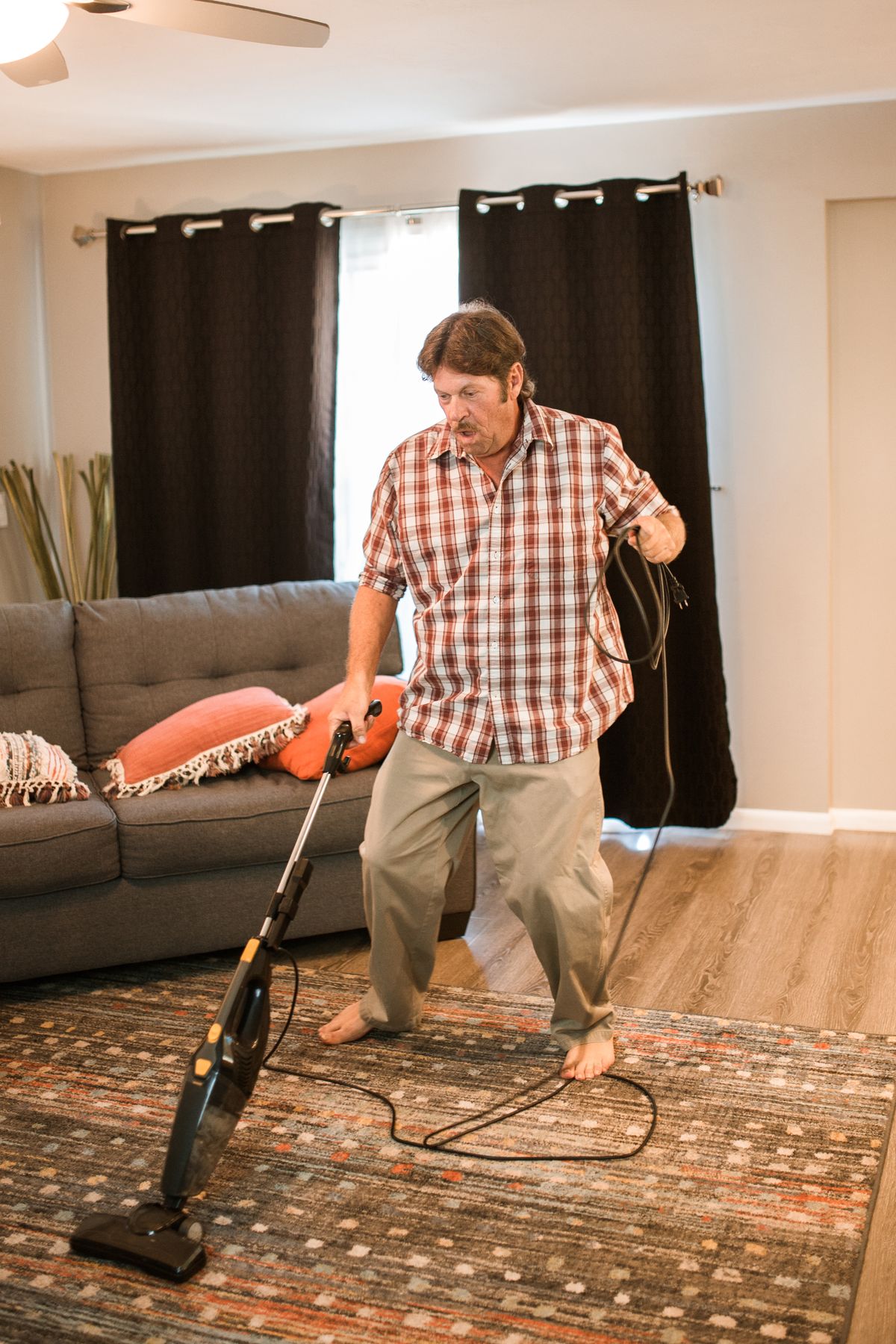
Photo Credit: RDNE Stock project / Pexels
Carpet fibers can trap smoke particles and odor.
Begin with a thorough vacuuming, paying extra attention to corners and edges where dust and
residue may collect.
Area rugs should be cleaned according to their care instructions.
If regular vacuuming and appropriate carpet cleaning do not make a noticeable difference,
professional carpet cleaning may be worth considering.
In homes with extremely heavy long term smoke exposure, some carpet or padding may eventually
need replacement if the odor remains after repeated cleaning.
❄️ 7. Check Your HVAC Filter
If cigarette smoke has circulated through a home, do not overlook the heating and cooling
system.
Check the HVAC filter and replace it if needed according to your system manufacturer’s
recommendations.
A dirty filter may hold dust, particles and other contaminants that you do not want
recirculating through the house.
The EPA provides guidance on home air cleaners and furnace or HVAC filters, including what
filtration can and cannot accomplish.
Read the EPA’s Guide to Air Cleaners in the Home
Air cleaners and filtration can help reduce some indoor contaminants, but they should not be
treated as a substitute for preventing smoking inside the home.
🚪 8. Clean the Places People Often Forget
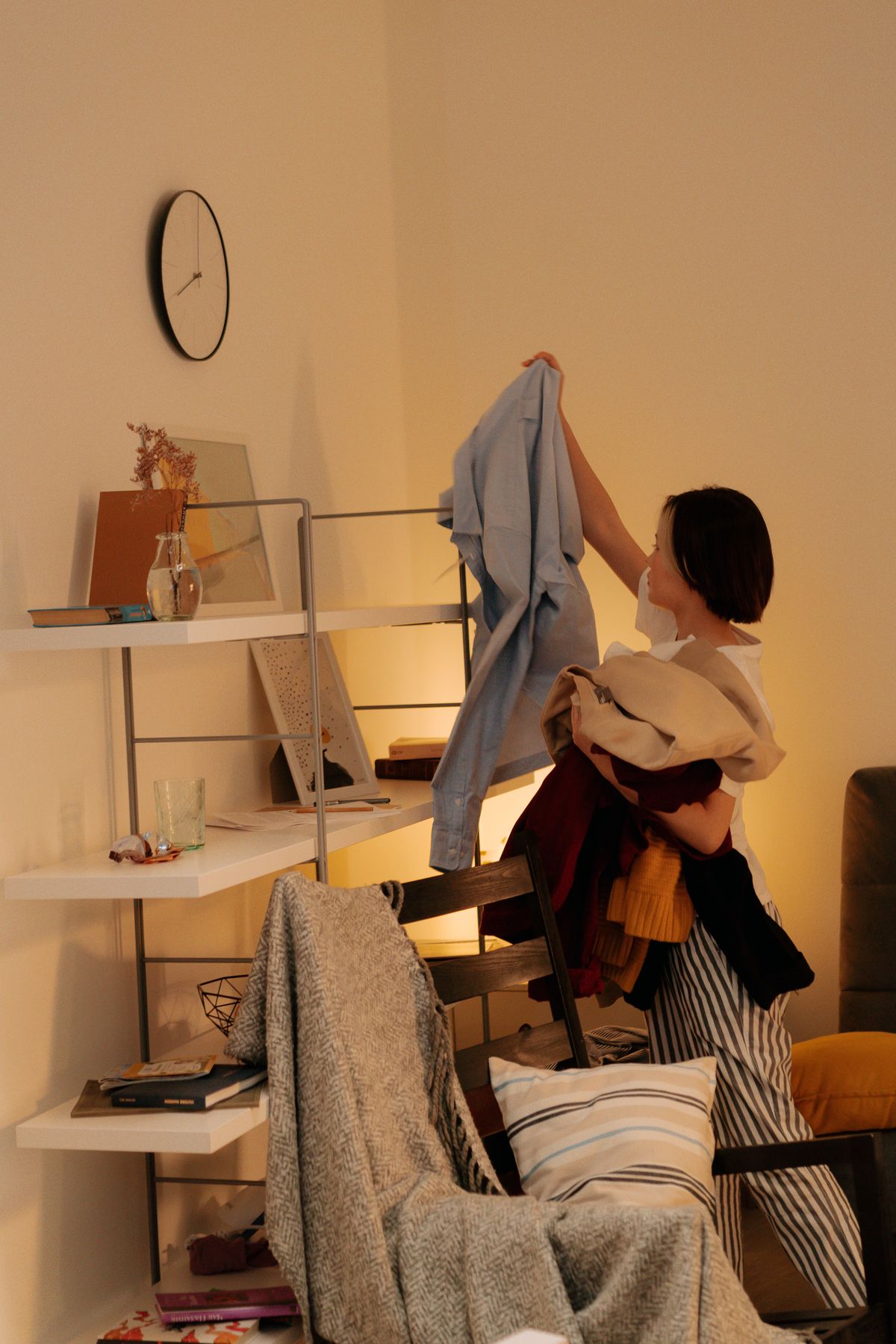
Photo Credit: cottonbro studio / Pexels
Sometimes the obvious areas are clean but the smell still seems to come back.
That can happen because smoke residue has settled in places you have not considered.
Take another look at:
- Closets
- Inside cabinets
- Lampshades
- Blinds
- Window treatments
- Throw pillows
- Decorative baskets
- Books and magazines
- Closet shelving
- Entryway rugs
Smoke odor can remain in objects that were exposed for years, so cleaning the room without
cleaning the belongings inside it may leave part of the problem behind.
🏠 9. Know When the House Needs a Deeper Cleaning
A room where someone smoked occasionally is very different from a house where people smoked
indoors every day for ten or twenty years.
Heavy smoke residue may require professional cleaning, particularly if the smell is coming
from flooring, walls, ceilings, HVAC components or materials that cannot easily be washed.
You may also discover that certain heavily contaminated items are simply easier to replace
than repeatedly clean.
This is especially important if you are preparing an older home for new occupants and want
to address more than the smell alone.
The EPA explains that chemicals released from smoking can remain on hard surfaces and become
embedded in soft materials, creating what is sometimes called thirdhand exposure.
Learn more from the EPA about secondhand and thirdhand smoke
⚠️ Do Not Just Cover the Smell
Strong fragrances can temporarily make a room smell different, but masking cigarette odor is
not the same thing as cleaning the materials where smoke residue has settled.
Your best approach is usually to clean the source areas first and then use appropriate odor
eliminating products as part of the overall cleaning process.
If smoking is still occurring inside the home, the odor is also likely to return.
Both the CDC and EPA recommend keeping homes and vehicles completely smoke free because
ventilation, filtration and air cleaning do not eliminate exposure to secondhand smoke.
🧼 A Simple Room by Room Smoke Odor Cleaning Plan
If the job feels overwhelming, you do not have to clean the entire house in one afternoon.
Choose one room and work through it completely.
- Remove washable fabrics.
- Vacuum carpet, rugs and upholstery.
- Clean walls and hard surfaces.
- Use an appropriate odor eliminator such as OdoBan where the label permits.
- Clean blinds, lampshades and smaller household items.
- Wash or professionally clean curtains and upholstery as needed.
- Allow everything to dry thoroughly.
- Return clean fabrics and furnishings to the room.
Then move to the next room.
Breaking the project into smaller sections can make a major cleanup much easier to manage.
🏡 A Fresher Home May Take More Than One Cleaning
Cigarette odor can be stubborn because smoke reaches far more places than we sometimes
realize.
It can settle into walls, carpets, curtains, furniture and everyday household belongings.
Start with fresh air, but do not stop there. Wash fabrics, clean hard surfaces, vacuum
upholstery and carpeting, check the HVAC filter and use appropriate odor eliminating products
where needed.
Products such as OdoBan Disinfectant Odor Eliminator can be useful additions to your cleaning
routine when used on approved surfaces and according to the manufacturer’s directions.
And if the smoke exposure has been heavy or long term, do not be surprised if the house needs
several rounds of cleaning before you notice a major difference.
Sometimes a truly fresh smelling home starts with cleaning what you cannot immediately see. ❤️
Always follow manufacturer directions when using household cleaning products. Do not mix
cleaning chemicals unless the product labels specifically state that doing so is safe.
Removing cigarette odor does not guarantee that all tobacco smoke residue or exposure has been
eliminated.
Images featured in this article are used under the Pexels license. Each image was verified as
free to use, and photographer credit is provided directly beneath the image.