
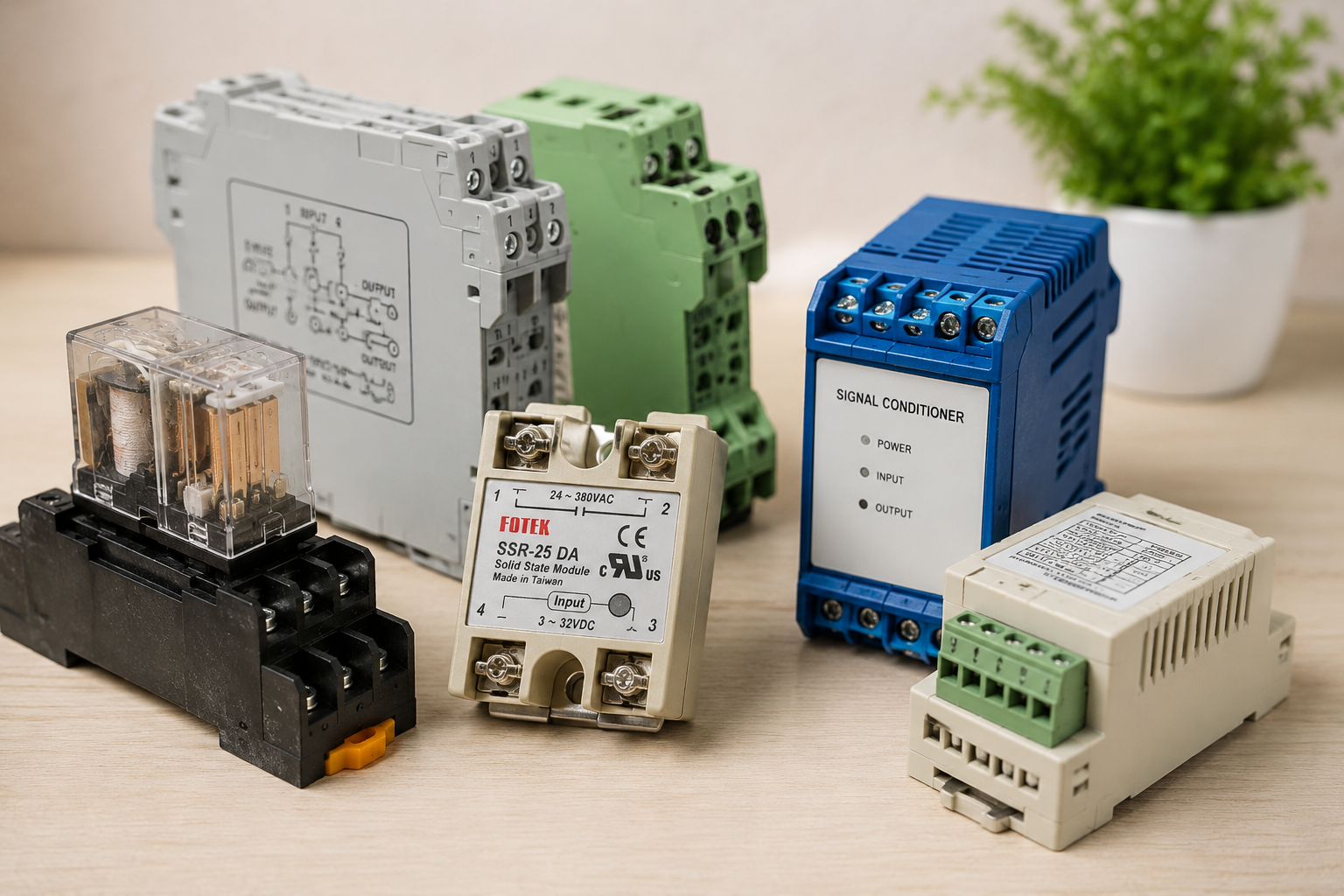
Where to Get Quality Relays and Signal Conditioners
Whether you’re working on an industrial automation system, upgrading manufacturing equipment, or designing an electronic control panel, choosing the right relays and signal conditioners is essential. These components play a critical role in ensuring electrical systems operate safely, accurately, and efficiently. Selecting the wrong product can lead to equipment failure, inaccurate readings, unnecessary downtime, and expensive repairs.
With so many manufacturers, specifications, and purchasing options available today, finding quality components can feel overwhelming. Fortunately, understanding the basics of relays and signal conditioners makes it much easier to choose products that fit your project while delivering long-term reliability.
This guide explains what relays and signal conditioners do, what features to consider before buying, and how to purchase quality components from trusted suppliers.
What Is a Relay?
A relay is an electrically operated switch that allows one electrical circuit to control another. Relays are commonly used when a low-power signal needs to safely control a higher-power circuit. Because of this ability, relays are found in countless residential, commercial, and industrial applications.
Common applications include:
- Industrial automation equipment
- HVAC systems
- Manufacturing machinery
- Security systems
- Lighting controls
- Automotive electronics
- Motor controls
Relays improve safety by isolating electrical circuits while allowing equipment to operate automatically based on programmed conditions.
What Is a Signal Conditioner?
Signal conditioners are electronic devices designed to improve, convert, or isolate signals before they reach monitoring equipment or controllers. They help ensure sensors provide accurate information by filtering electrical noise, amplifying weak signals, converting signal types, or protecting sensitive equipment from electrical interference.
Signal conditioners are frequently used alongside:
- Temperature sensors
- Pressure transmitters
- Flow meters
- Load cells
- Industrial PLC systems
- Building automation systems
Without proper signal conditioning, measurement errors and communication problems can reduce system performance and reliability.
Understand the Different Types of Relays
Not all relays perform the same function. Choosing the correct type depends on your application and electrical requirements.
Electromechanical Relays
These traditional relays use a magnetic coil to physically move electrical contacts. They remain one of the most commonly used relay types because they are reliable, cost-effective, and suitable for many industrial applications.
Solid State Relays
Solid state relays contain no moving parts. Instead, they use semiconductor components to switch electrical loads. They typically offer faster switching speeds, quieter operation, and longer service life than mechanical relays.
Reed Relays
Reed relays contain sealed contacts enclosed inside a glass tube. They are commonly used for precision switching applications where small signals need reliable control.
Time Delay Relays
These relays introduce programmed delays before opening or closing electrical contacts, making them useful for sequencing equipment or preventing sudden electrical surges.
Know Which Signal Conditioner You Need
Signal conditioners are available in many different configurations depending on the type of signal being processed.
Some of the most common include:
- DIN Rail Signal Conditioners
- Temperature Signal Conditioners
- Current Loop Isolators
- Voltage Converters
- Frequency Converters
- Digital Signal Conditioners
- Analog Signal Conditioners
Before making a purchase, review your system requirements carefully to determine which signal format your equipment requires.
Pay Close Attention to Specifications
One of the biggest mistakes buyers make is purchasing components based only on price. While affordability is important, technical specifications should always come first.
Review factors such as:
- Operating voltage
- Maximum switching current
- Load capacity
- Switching speed
- Isolation rating
- Operating temperature
- Physical dimensions
- Mounting requirements
Making sure these specifications match your project will help prevent compatibility issues after installation.
Purchase From Authorized Distributors
Buying electrical components from a reputable supplier offers several advantages. Authorized distributors provide genuine products, manufacturer warranties, technical documentation, and knowledgeable customer support.
They also maintain current inventory and work directly with leading manufacturers to ensure product quality.
If you’re looking for a wide selection of relays, signal conditioners, accessories, and industrial automation products, RS Components offers products from many trusted manufacturers used throughout the automation industry.
Choose Trusted Manufacturers
The manufacturer matters just as much as the distributor. Established companies invest heavily in product testing, quality control, and ongoing product development.
Some of the industry’s most recognized manufacturers include:
- Omron
- Panasonic
- Finder
- Phoenix Contact
- TE Connectivity
- Schneider Electric
- Siemens
- Pepperl+Fuchs
Products from reputable manufacturers often provide better long-term reliability and are backed by extensive technical support documentation.
Compare Online and Local Suppliers
Many engineers and maintenance professionals now purchase electrical components online because of the convenience and product selection available.
Online distributors often provide:
- Detailed product specifications
- Technical datasheets
- Customer reviews
- Current inventory levels
- Competitive pricing
- Fast shipping options
Local electrical supply stores still have their place, especially when you need emergency replacement parts quickly. However, online suppliers often offer a much broader selection.
Don’t Overlook Technical Documentation
Before purchasing any relay or signal conditioner, review the available documentation. Product datasheets, wiring diagrams, certifications, and installation guides provide valuable information that helps ensure compatibility with your system.
Manufacturers that provide complete technical resources typically demonstrate greater confidence in their products and make installation much easier.
Think About Future Maintenance
Choosing commonly available products from established manufacturers can simplify future maintenance. If a component eventually needs replacement, finding compatible parts will be much easier than replacing discontinued or obscure models.
Standardizing the brands and models used throughout your equipment can also reduce spare parts inventory and simplify maintenance procedures.
Invest in Quality the First Time
While lower-priced components may seem attractive initially, poor-quality electrical devices often lead to additional costs through premature failures, downtime, troubleshooting, and replacement labor.
Investing in quality relays and signal conditioners from trusted manufacturers helps improve system reliability, extends equipment life, and reduces unexpected maintenance expenses. Whether you’re working on a small automation project or managing a large industrial system, selecting the right components from reputable suppliers provides long-term value and dependable performance that supports your entire electrical system.