Snow Much Fun! A Family Guide to Safe, Happy Winter Playtime
There is something truly special about snow days. For kids, snow feels like magic falling from the sky. One minute the world looks ordinary and the next it is covered in white, inviting little boots, sleds, and giggles to come outside and play. Snow days slow things down and give families a chance to step away from screens, routines, and stress and simply enjoy being together.
One thing for sure, we love sharing ways families can create meaningful moments, and snow play is one of those simple joys that kids remember for years. When done safely, playing in the snow is not only fun but also healthy for children and parents alike.
Snow days can be full of laughter, movement, and connection when families know when it is safe to head outside, how long kids should play, and how to keep everyone warm and protected.
Why Snow Play Is Great for Kids
Snow play offers so much more than entertainment. It supports kids physically, emotionally, and mentally.
Running through snow, climbing snow piles, pulling sleds, and building snowmen help kids strengthen their muscles and improve balance and coordination. Winter months often keep children indoors more than usual, so snow play gives them a chance to move their bodies and release energy in a healthy way.
Being outside in fresh air can also help boost mood and reduce restlessness. Many parents notice kids sleep better after outdoor play, even in colder weather. Snow encourages creativity too. A backyard can become a castle, a fort, or a winter village with nothing more than imagination and teamwork.
Emotionally, outdoor play gives kids space to process feelings and unwind. Winter can feel long, and snow play helps break up indoor routines while giving children a sense of freedom and joy.
Why Playing in the Snow as a Family Matters
When parents and caregivers join in, snow play becomes even more meaningful.
Playing together builds trust and connection. Kids love seeing adults laugh, play, and be present with them. It shows them that family time matters and that fun does not have to be complicated or expensive.
Snow play encourages teamwork. Building a snowman, pulling a sled, or creating a snow fort works best when everyone helps. These shared moments teach kids cooperation and patience in a natural way.
For parents, snow play can be refreshing. Stepping outside, moving your body, and laughing with your kids can reduce stress and improve mood. Even a short time outdoors together can help everyone feel more connected and relaxed.
These are the moments kids remember most. Not perfect houses or busy schedules, but laughter, togetherness, and shared experiences.
When It Is a Good Time to Play in the Snow
Knowing when it is safe to play outside is one of the most important parts of snow fun.
In general, the best temperature range for kids to play in the snow is between 32 degrees and about 20 degrees Fahrenheit. At these temperatures, snow is usually packable and kids can stay outside comfortably when dressed properly.
When temperatures fall between 20 and 10 degrees, outdoor play should be shorter. Kids can still enjoy the snow, but parents should limit playtime and check in often to make sure everyone stays warm.
When temperatures drop below 10 degrees or when wind chill is very low, it is best to stay indoors. Cold weather can affect kids faster than adults, especially fingers, toes, ears, and noses. Strong winds, icy conditions, or poor visibility are also signs that snow play should wait for another day.
Always check the wind chill before heading outside, since it can make the air feel much colder than the actual temperature.
How Long Kids Should Play Outside
Every child is different, but age and temperature both matter.
Toddlers usually do best with short snow play sessions of 15 to 30 minutes. Preschoolers may enjoy 20 to 40 minutes. Older kids can often handle 30 to 60 minutes, especially if they are active and dressed well.
Parents should watch for signs that kids are getting too cold. Shivering that does not stop, numb fingers or toes, pale or red skin, or sudden irritability are all signs it is time to head inside.
It is always better to end snow play while kids are still having fun than to wait until they are uncomfortable.
Dressing Kids for Snow Play the Right Way
Warm, dry clothing makes all the difference.
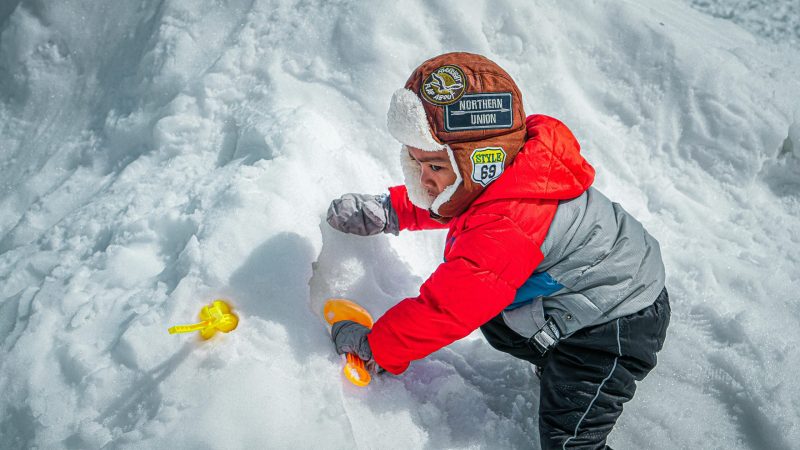
Layers are key. Start with a base layer that keeps moisture away from the skin. Add a warm middle layer like fleece, then finish with a waterproof coat and snow pants.
Kids should wear insulated boots, warm socks, waterproof gloves or mittens, and a hat that covers the ears. Neck warmers are often safer and easier than scarves for younger children.
Having extra gloves or socks on hand is helpful, especially if kids love playing in the snow for longer periods. Wet clothing can make kids cold quickly.
Letting kids help choose their winter gear can make them more excited to bundle up and stay warm.
Fun and Safe Snow Activities for Kids
Snow play does not need to be complicated to be fun.
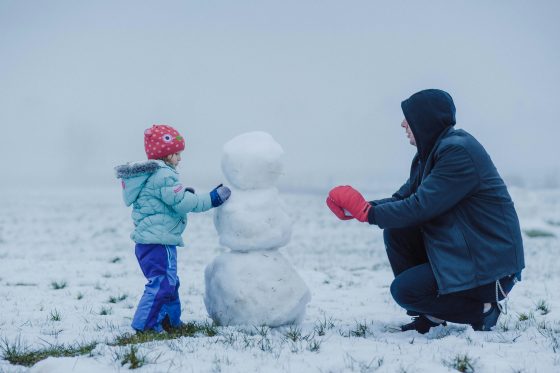
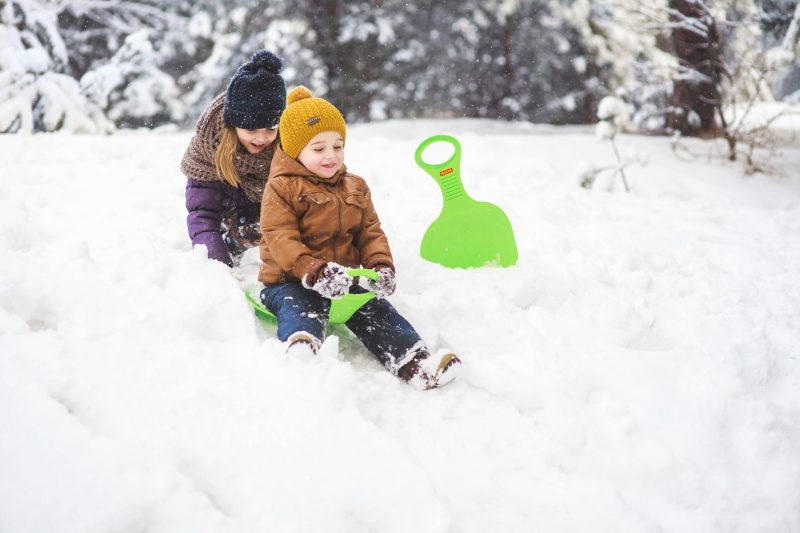
Building snowmen is a favorite for kids of all ages and encourages creativity. Sledding is another classic activity when done safely on hills free from roads, trees, and obstacles, with adult supervision at all times.
Snow angels are simple and joyful, while snow forts encourage imagination and teamwork. Snowball play can be fun too as long as clear rules are set, such as no throwing at faces and keeping play friendly.
Sometimes the best snow fun is unplanned. Let kids explore, stomp through fresh snow, and enjoy the moment.
Teaching Kids Snow Safety
Setting simple safety rules helps snow play stay fun.
Teach kids to stay where adults can see them, avoid throwing snow at faces, and tell an adult if they feel cold or uncomfortable. Kids should never play near streets, snowplows, or frozen ponds and lakes.
Talking about safety before heading outside helps kids feel confident and protected.
Warming Up After Snow Play
Ending snow play the right way helps kids recover and stay healthy. Once inside, change wet clothes right away. Warm hands and feet slowly with warm water. A warm snack or drink can help kids relax and feel cozy after being outdoors. This is also a great time to talk about what they enjoyed most, which helps kids reflect and feel connected.
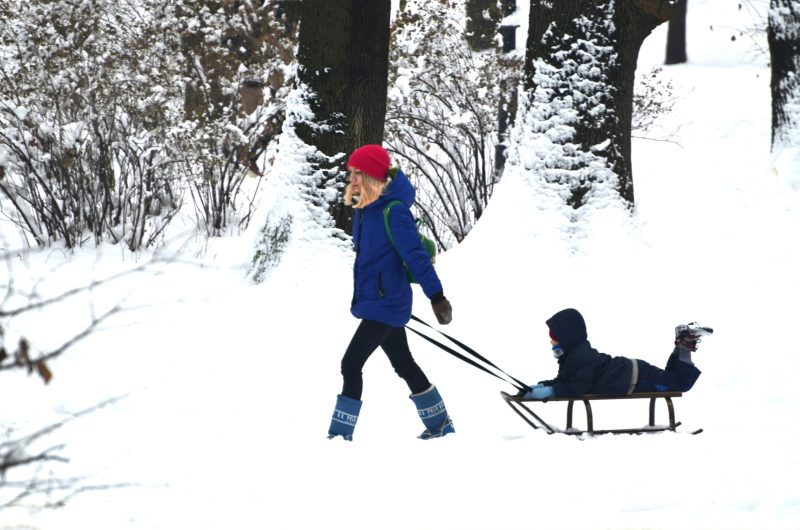
I remember back we use to play in the snow with our kids and now we do it with our grandkids and older kids…..yes, I still go play in the snow.
You see, snowy days give families a chance to slow down, step outside, and enjoy simple moments together. With the right clothing, awareness of temperature, and a little planning, snow play can be one of the most joyful parts of winter.
Kids do not need perfect conditions or big plans. They just need warmth, safety, and time with the people they love.
So, bundle up, head outside when the weather allows, laugh together, and enjoy the magic of snow. These are the moments that turn into memories and those are the moments that matter most.




This made me nostalgic in the best way. It feels like a reminder to actually enjoy being outside instead of rushing everyone back in after five minutes.
I really enjoyed how this guide wraps practical safety tips together with joyful ideas for winter play that the whole family can enjoy. Your focus on simple preparation and mindful fun makes snowy days feel less stressful and way more magical. Thanks for sharing such heartwarming and helpful advice that turns chilly weather into warm family memories.
My kids an I love it when it snows – we don’t get it properly every year which makes it all the more exciting when we get a good snowfall. Warm dry clothes are important to have. We got some last snowfall. Mine want to play outside for hours so limiting playtime in the snow is definitely required. I’m hoping we get some snow soon as the forecast keeps changing. We have the sled ready!!!!!
I live in Ontario where our winters hit well below 0 F. Still my kids love playing in the snow. I, however, hibernate and stay warm. I’ll volunteer to make the hot cocoa.
I miss the days of watching my kids get excited about snow. As teens, they sleep in and the snow is gone by the time they wake up.
It can be fun when it snows. My kids always love playing in it–and then eating the snow, ha. So long as it’s not discolored of course.
This was such a sweet, practical read. I love how you balanced safety tips with the joy and memories of snow days ❄️
Brilliant tips. We too are covered in snow here in Germany. It’s so important to have happy and safe moments with the family.