
How to Prepare Your Family for a Power Outage
What Should You Keep in a Power Outage Emergency Kit?
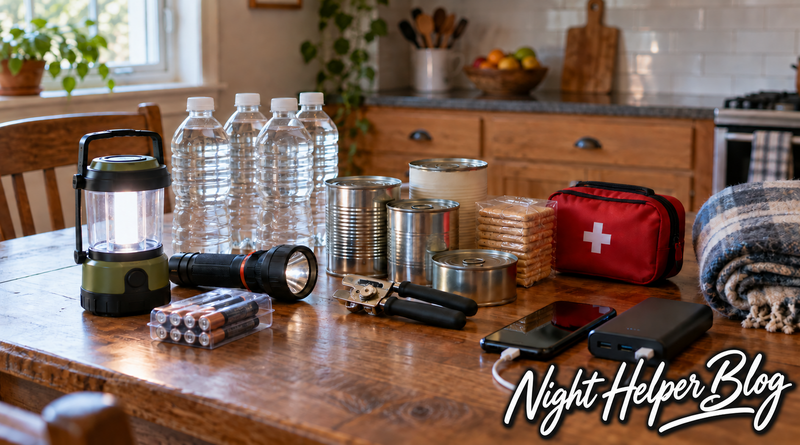
Keep your supplies in an accessible location that everyone in the household knows. A clearly labeled storage bin works well, with a smaller bag ready in case you need to leave home.
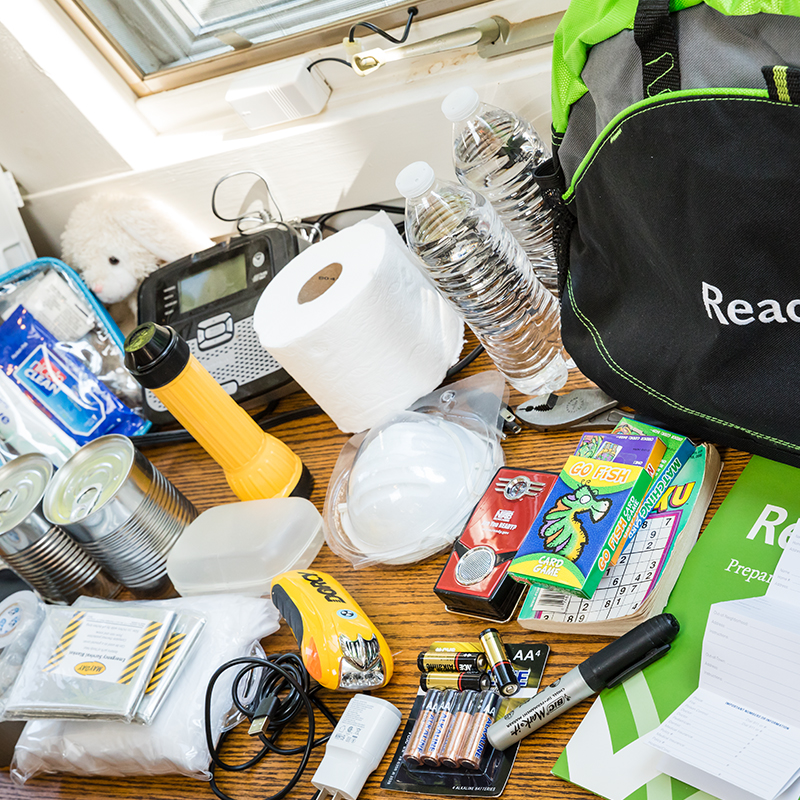
- Drinking water and food that does not require refrigeration or cooking
- A manual can opener
- Flashlights, battery lanterns and spare batteries
- Charged phone power banks and compatible charging cables
- A battery powered or hand crank radio
- A first aid kit and essential personal supplies
- Prescription medications and a written medication list
- Blankets, warm clothing and comfortable shoes
- Soap, hand sanitizer, toilet paper and garbage bags
- Copies of important documents and emergency contacts
- Some cash in small bills
- Baby supplies, pet supplies and familiar comfort items
Adapt the kit to your household. Glasses, hearing aid batteries, mobility supplies and allergy friendly foods may be just as important as the basics. Use the Ready.gov emergency supply checklist to help identify anything you have overlooked.
How Much Water Should a Family Store?
Ready.gov recommends one gallon of water per person per day for several days, covering drinking and sanitation. For a family of four, a three day starting supply is 12 gallons. Add water for pets and allow for extra needs during hot weather or illness.
Keep commercially bottled water sealed and follow its storage instructions. Store it somewhere cool, away from direct sunlight and household chemicals. If you fill your own containers, use appropriate food safe containers and follow official water storage guidance.
A home with an electric well pump may lose running water during an outage. Even with municipal water, follow any local drinking water notices rather than assuming service is unaffected.
What Foods Are Best to Keep for a Power Outage?
Choose familiar foods your family can eat without electricity. A pantry full of ingredients that need boiling or baking will be less useful if you cannot cook safely.
- Ready to eat canned beans, vegetables, fish or chicken
- Nut or seed butter suited to your family’s allergies
- Crackers, cereal and granola bars
- Dried fruit and individually packaged fruit cups
- Single serving shelf stable drinks
- Foods that meet special dietary needs
- Appropriate infant feeding supplies and pet food
Read labels carefully. Some products need refrigeration after opening, so smaller packages can reduce waste. Rotate your emergency food into everyday meals and replace it before it expires.
Plan a few simple meals ahead of time. Knowing what you can serve for breakfast, lunch and dinner removes one more worry when the power is out.
How Long Will Food Stay Safe in the Refrigerator?
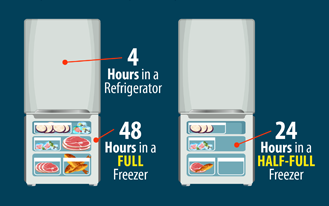
With the doors kept closed, a refrigerator generally keeps food cold for about four hours. A full freezer holds its temperature for approximately 48 hours, while a half full freezer holds it for about 24 hours.
Keep appliance thermometers inside both appliances before an outage. The refrigerator should be at or below 40°F, and the freezer should be at or below 0°F.
Write down when the power went out. If the outage continues, use a cooler and enough ice or frozen gel packs to keep refrigerated food at or below 40°F. Avoid opening appliance doors repeatedly to check inside.
After four hours without electricity or another cold source, discard refrigerated perishables such as meat, milk, eggs and leftovers. Also discard perishables that have been above 40°F for two hours or more. Never taste food to decide whether it is safe.
Frozen food may be refrozen or cooked if it still contains ice crystals or measures 40°F or below. Check individual foods using the FoodSafety.gov outage food chart. The FDA’s food and water guidance also explains how to prepare and assess food afterward.
What Lighting Works Best When the Electricity Goes Out?
Flashlights, headlamps and battery lanterns are practical choices. Keep one beside beds and another near your emergency supplies. A headlamp leaves your hands free while helping a child, preparing food or looking for something.
Use battery lighting instead of candles to reduce fire risk. Place lanterns where they illuminate walkways without creating a tripping hazard, and keep loose batteries out of children’s reach.
Test your lights regularly. A flashlight that has been sitting in a drawer for years may need fresh batteries before you can depend on it.
How Can You Keep Phones Charged and Stay Informed?
Keep power banks charged and store the correct cables with them. During an outage, use your phone’s battery saving mode, lower screen brightness and limit unnecessary use.
Save your utility’s outage reporting number and website ahead of time. Keep a paper copy of emergency contacts, including someone outside your immediate area who can help family members stay connected.
A battery radio provides another way to receive information if internet service is unavailable. Follow your utility and local emergency officials for updates. An estimated restoration time can change, so avoid planning around an exact return time.
Should Your Family Have Backup Power?
Backup power can be useful, but choose it around the equipment you need to run. A small power bank can charge a phone. A portable battery power station may run lights or other devices, depending on its output and capacity.
Before buying, list your essential devices and check their power requirements. Running watts, starting power and the length of time you need electricity all matter. A refrigerator or electric heater may require much more power than a phone or lamp.
Battery capacity does not guarantee a particular runtime. Check the manufacturer’s instructions and compatibility information, keep the unit charged, and test your setup before you need it. Solar charging also depends on sunlight, weather and compatible equipment.
Fuel powered generators require different precautions. Operate them outdoors, at least 20 feet from doors, windows and vents, with exhaust directed away from buildings. Never run one inside a home, garage or enclosed porch, even with doors open. Never plug a generator into a wall outlet. Connections to household wiring require properly installed equipment and a qualified electrician.
Keep working smoke and carbon monoxide alarms with battery backup. Review Michigan’s official power outage guidance before using backup equipment.
How Do You Prepare for Medications and Medical Devices?
If someone relies on powered medical equipment or refrigerated medication, make a specific plan with their healthcare provider, pharmacist and equipment supplier before an outage.
Ask about approved backup batteries, medication storage limits and when to move to a location with dependable electricity. Do not assume a general household power station is suitable for a medical device.
Keep the relevant phone numbers, medication details and equipment instructions together. Ask your utility about any medical needs notification program, while keeping an independent backup plan.
How Can You Stay Comfortable During Summer and Winter Outages?
During summer, close curtains against direct sunlight, drink water and reduce strenuous activity. Battery fans may improve comfort, but do not rely on them to make a dangerously hot home safe. Identify an accessible cooling location before you need one.
During winter, use dry layers, blankets and sleeping bags. Close doors to unused rooms when practical. Never use a gas oven, charcoal grill or outdoor camping stove to heat your home or cook indoors.
Have somewhere else to go if indoor temperatures become unsafe. Consider transportation, pets and mobility needs ahead of time. Follow evacuation instructions and do not wait for conditions to become dangerous.
What Should You Do First When the Power Goes Out?
- Check that everyone is safe and use a flashlight.
- Report the outage to your utility and check official updates.
- Note the time and keep refrigerator and freezer doors closed.
- Check anyone who depends on medical equipment or needs extra assistance.
- Unplug sensitive electronics and turn off cooking appliances. Leave one light switched on to show when electricity returns.
- Use your communication plan and conserve phone batteries.
- Monitor indoor temperatures and leave for a safer location when necessary.
Stay away from fallen power lines and anything touching them. Report them to the utility, and call 911 if there is an immediate danger. Never approach a line to see whether it is live.
How Can You Help Children and Pets?
Explain the plan to children in calm, simple language. Show them where the flashlights are and let them help choose a book, game or comfort item for the kit.
Keep pet food, drinking water, medication, leashes and carriers accessible. If you may need to leave, identify a place that can accommodate your pets rather than assuming every shelter will accept them.
A short practice session can help everyone feel more comfortable. Locate your supplies together and talk through what you would do if the lights went out after bedtime.
Common Questions About Preparing for a Power Outage
Do you need expensive equipment to start preparing?
No. Begin with water, familiar food, reliable lighting, a manual can opener and a family plan. Add supplies gradually and consider backup power according to your household’s needs.
Can you cook indoors with a camping stove?
Do not bring an outdoor camping stove, charcoal grill or other outdoor cooking appliance inside. Plan meals that need no cooking, and follow the appliance manufacturer’s safety instructions for any outdoor cooking.
How often should you check your emergency supplies?
Set a recurring reminder to inspect your kit. Check food dates, test lights, recharge power banks and update supplies whenever medication, children’s needs or household circumstances change.
What should you check after power returns?
Assess refrigerated and frozen food before using it, check equipment for damage and follow utility instructions. Replace supplies you used and recharge backup batteries so your family is ready again.
A Little Preparation Can Make a Difficult Day Easier
You do not need to predict the next outage to prepare for one. Start by checking your flashlights, charging a power bank and adding a few useful items to your pantry.
Having water, safe food, dependable lighting and a clear plan gives your family a more manageable starting point. Whether an outage comes during a summer thunderstorm, a winter ice storm or an ordinary afternoon, those preparations can help you protect the people who matter most.



The example involving Learn how to prepare your family for a power outage with essentials for food, water, lighting, emergency kits, and staying safe adds useful context to the broader topic. I appreciated the straightforward discussion of How to Prepare Your Family for a Power Outage. A brief comparison of the common alternatives could help readers understand when each approach makes sense.
It’s so easy to put off checking the emergency supplies until a storm is already on the way! The source links you provided are also great resources to stay well-informed when dealing with prolonged power outages.
Great article and that’s annoying – keeping the fridge door shut for those first four hours matter more than another flashlight 🙂
This is such a useful reminder to be prepared before an emergency happens. Having essentials like flashlights, backup batteries, drinking water, and a family communication plan ready can make a stressful power outage much easier to manage.
I’m glad you brought this up! Preparing for power outages isn’t just about having flashlights and power banks. It’s also important to have enough drinking water, food, and first aid supplies on hand. These are easy to overlook, but they can make a big difference during an emergency.
Power outages can be a total nuisance and the worst part is when you have to toss hundreds of dollars worth of food because the power thawed everything in the freezer. Being prepared is imperative.
Being prepared is so important. I have started keeping backup battery chargers plugged in around the house, so we can grab them and go or use them if the power goes out. Being prepared makes life so much easier! These are good things to get set up.
Power outages can be a nuisance but thankfully we haven’t had long ones here. It does help to be prepared especially when you have kids. Water is a must as is tinned food and other foods that don’t require refrigeration. I need to check the batteries for the flashlights – your post reminded me. I haven’t checked then in over a year, ops!! Thanks for the reminder xxx
I appreciated the straightforward discussion of How to Prepare Your Family for a Power Outage. A brief comparison of the common alternatives could help readers understand when each approach makes sense.
I liked how this article explains How to Prepare Your Family for a Power Outage. The examples make the main idea easier to understand. Thanks for sharing this perspective.
One additional item we keep on hand for power outages are glow sticks. The kids enjoy those, and we leave them in the dark bathrooms at night for a small light without having to worry about batteries going out.
Blackouts are not so weird in my area, so these tips are so helpful. I hope I don’t have to use them lol
Yup, you just never know when a power outage will occur. We do have tons of flashlights on hand just in case. It doesn’t happen often, but once in a while we’ll be surprised.
These are great tips! Unfortunately, the Philippines is often hit by storms, so power outages are quite common. It’s really helpful to know how to prepare for situations like these and always be ready. Being prepared definitely gives us peace of mind and takes away some of the worries.
This is very thorough and I encourage everyone to use it as a checklist. Living in Florida, I am fully prepared for inclement weather at all times.
We live in a southern area prone to storms, and so we do all of these things. I highly advise anyone reading this to take your advice!
I really appreciate this list! It’s so handy, and it actually reminded me that I forgot to pack a manual can opener. I have quite a few canned goods in our emergency bag, so I can’t believe I didn’t think about how we’re going to open them! Definitely adding one to the bag now.