
Condom Retail History — How Far Have We Really Come Since the 90s?
Condoms have moved far from the discreet endcaps of pharmacies in the 1990s. Once limited to a few latex versions, today’s market features a broad spectrum of materials, tailored fits, and sensations. This transformation connects not only to safety but also to confidence, intimacy, and the practical realities of modern consumer choice. Shifts in packaging, privacy at checkout, and new delivery methods have reshaped buying behavior. With conversations about inclusion and pleasure moving mainstream, protection has become more normalized and personalized. What began as a hushed transaction is now a dynamic marketplace with variety, discretion, and comfort at its core.
Product Changes That Reshaped Buyer Expectations
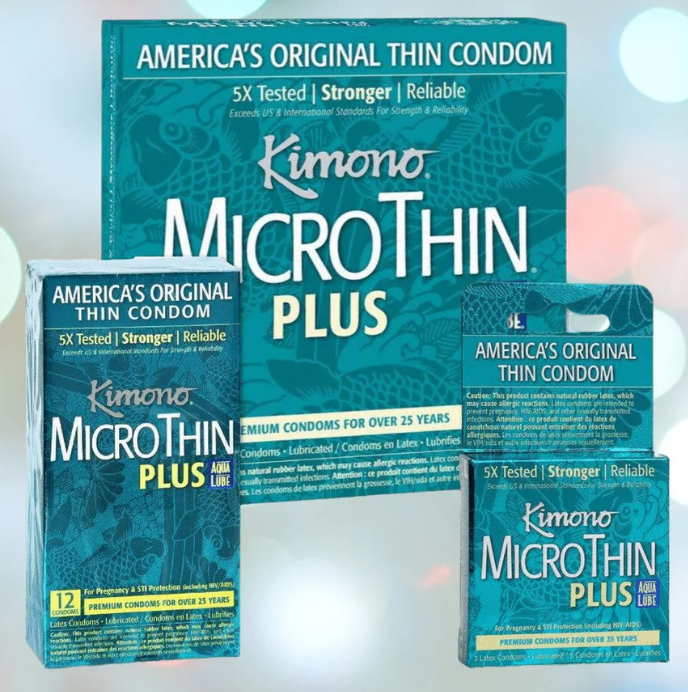
In the 1990s, pharmacy aisles offered little more than standard latex packaged in identical foils. Today, polyurethane and polyisoprene stand alongside expanded size ranges and specialized textures. Features once seen as novelties—like ultra-thin or ribbed designs—are now central to the product selection, making sensation and comfort fundamental expectations. The thinnest condom models, in particular, highlight how protection can feel nearly weightless while still reliable, blending safety with heightened intimacy.
Packaging has shifted as well, favoring minimal, discreet designs that align with lifestyle branding. Condoms are now positioned as confidence-boosting tools that enhance intimacy. Variety packs provide a low-risk way to test materials and thickness, making personal preference part of the shopping experience rather than a gamble.
Buying Habits and Access Points
In the past, buying condoms often carried a layer of social discomfort, especially during late-night checkout lines where privacy felt impossible. That hesitation limited purchases and left many without reliable protection. Today, anonymous online ordering and discreet packaging make restocking less stressful, while subscription services turn buying into a steady routine rather than a rushed errand.
Beyond e-commerce, access has widened through clinics, campus health centers, and public vending machines, each offering affordable or free packs. These varied touchpoints normalize condom use by embedding availability in everyday spaces, shifting the act from an awkward necessity into a more natural, consistent habit.
Shifts in Messaging and Social Conversation
During the 1990s, condom messaging leaned heavily on urgency, often tied to the HIV/AIDS crisis. Campaigns used stark visuals and warnings, framing condoms primarily as protective necessities. This created a culture of compliance rather than choice, where purchases carried an undertone of stigma and fear. Contemporary messaging takes a different path. Brands highlight intimacy, pleasure, and inclusivity, with ads featuring diverse couples and lifestyles. Campaigns like Durex’s “Feels Good” or Trojan’s collaborations with LGBTQ+ advocates place condoms in celebratory contexts, linking them to empowerment rather than anxiety. Condoms now appear naturally in media and social feeds, reframing them as everyday tools of connection. This normalization encourages open conversations, influencing both partner dynamics and retail strategies.
Fit and Personalization in the Market
Modern condom retail emphasizes personalization in ways that were absent in the 1990s. Size charts, printable measuring tools, and wider fit ranges—from snug to extra-wide—allow people to avoid the discomfort of slippage or numbness. Trial packs and sampler kits reduce the uncertainty of commitment, making exploration both affordable and discreet.
Reviews and clear size filters further guide buyers toward reliable matches, building confidence with each purchase. Beyond comfort, fit is now positioned as an element of intimacy itself, turning protection into something that enhances rather than interrupts connection. Personalization turns condoms into tools of assurance, blending practicality with emotional confidence.
Retailer Trust and Customer Confidence
Trust has become a deciding factor in condom purchases, especially online. Verified reviews, clear return policies, and satisfaction guarantees reduce uncertainty and encourage first-time buyers. Discreet couriers and neutral billing terms further remove hesitation, making privacy a visible part of customer care. Major retailers now highlight compliance with HIPAA-level privacy protections for sexual health products, reassuring shoppers that sensitive purchases will not compromise personal data security.
Retailers also build confidence with loyalty programs, free sample packs, and responsive support. Transparent privacy statements and clear product information help people feel secure in reordering. These features turn a once-awkward purchase into a reliable, repeatable experience that strengthens customer loyalty over time.
Choices in condom retail have expanded dramatically, moving from limited options and stigma toward a more diverse, consumer-centered marketplace. Materials, textures, and sizes now emphasize comfort, while privacy in purchasing has grown through online platforms, subscriptions, and discreet packaging. This transformation reflects shifting attitudes toward intimacy, where protection is viewed as both connection and safety. Retailers build trust with guarantees, transparency, and loyalty programs, while messaging highlights inclusion and pleasure. Together, these changes replace hesitation with confidence, embedding condom use more naturally into everyday life and shaping a healthier, more open conversation around sexual health.