A Green Symphony: Marrying AI With Nature in Our Homesteads
Technology and nature may sound like complete opposites, but around today’s homes and gardens,
the two are increasingly working together.
Think about a garden that is watered according to actual soil conditions instead of an old
fashioned timer. Imagine checking moisture levels before watering, receiving weather information
before heading outside or using smart technology to keep a closer eye on energy and water use
around the home.
Artificial intelligence and smart home technology cannot replace the knowledge that comes from
actually growing plants, working the soil and paying attention to nature.
But technology can provide homeowners and homesteaders with another set of tools.
When used thoughtfully, those tools can help us make better informed decisions, reduce waste
and spend more time enjoying the spaces we have worked so hard to create.
🌱 1. Smart Technology Can Help Us Understand the Garden
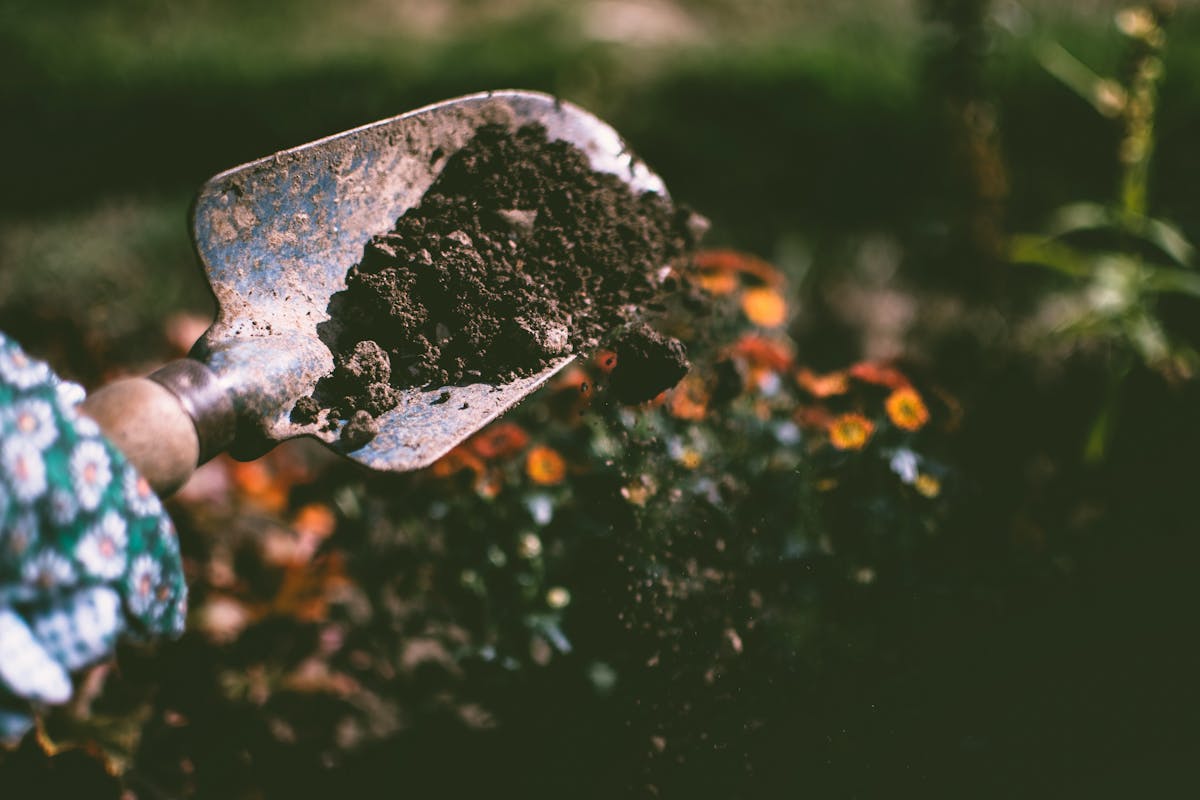
Photo Credit: Samuel Peter / Pexels
Experienced gardeners learn to pay attention to their plants.
They look at the leaves, feel the soil, watch the weather and begin recognizing the little
signals that tell them when something needs attention.
Smart technology can add another layer of information.
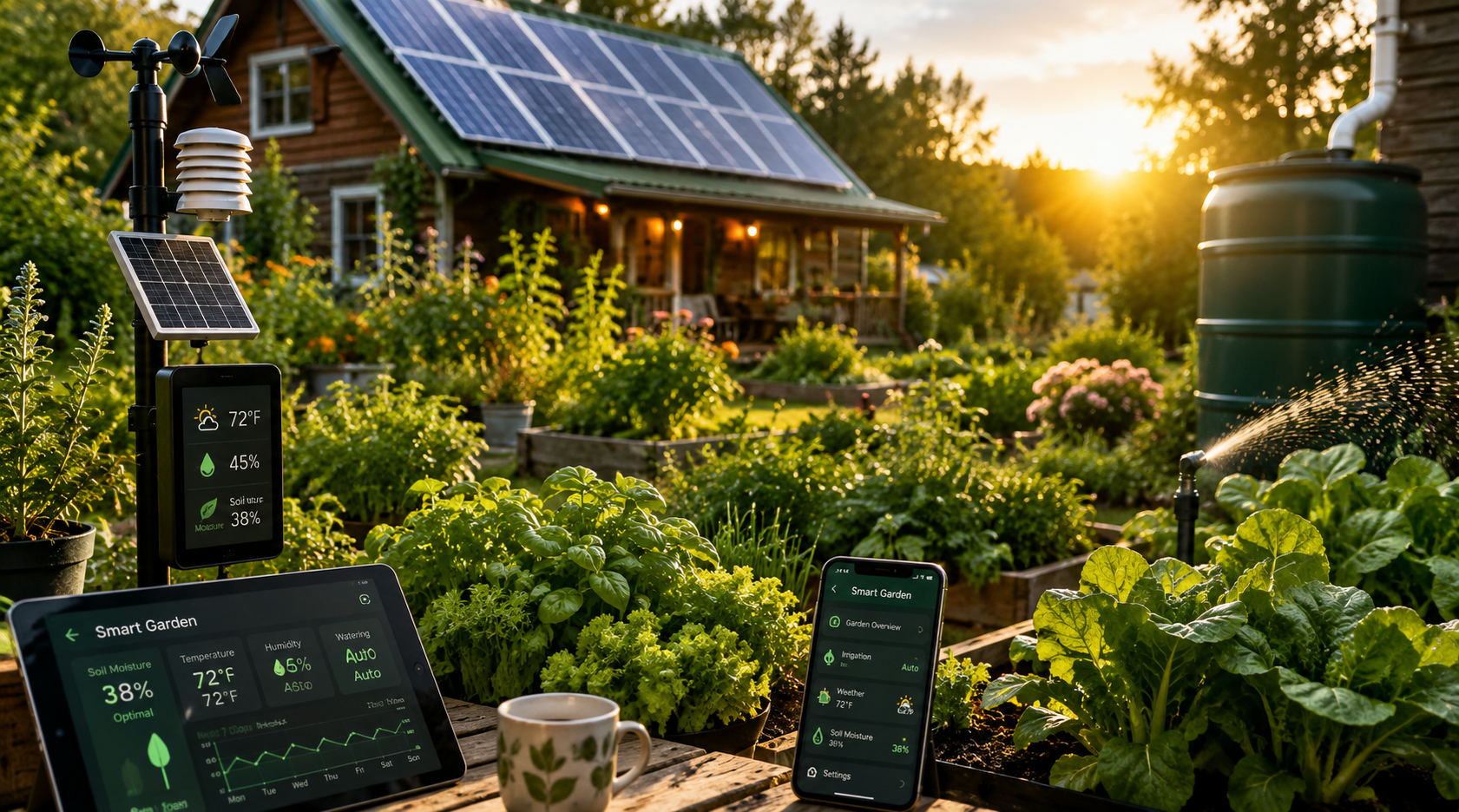
Soil moisture sensors, weather monitoring devices and connected garden systems can provide
information that helps homeowners make decisions about watering and plant care.
The technology should not make every decision for you. Think of it as another source of
information that can be combined with what you already know about your garden.
Technology works best when it supports your observations instead of replacing them.
If an app says everything looks perfect but your plant is clearly struggling, take a closer
look at the plant.
💧 2. Smarter Watering Can Reduce Waste
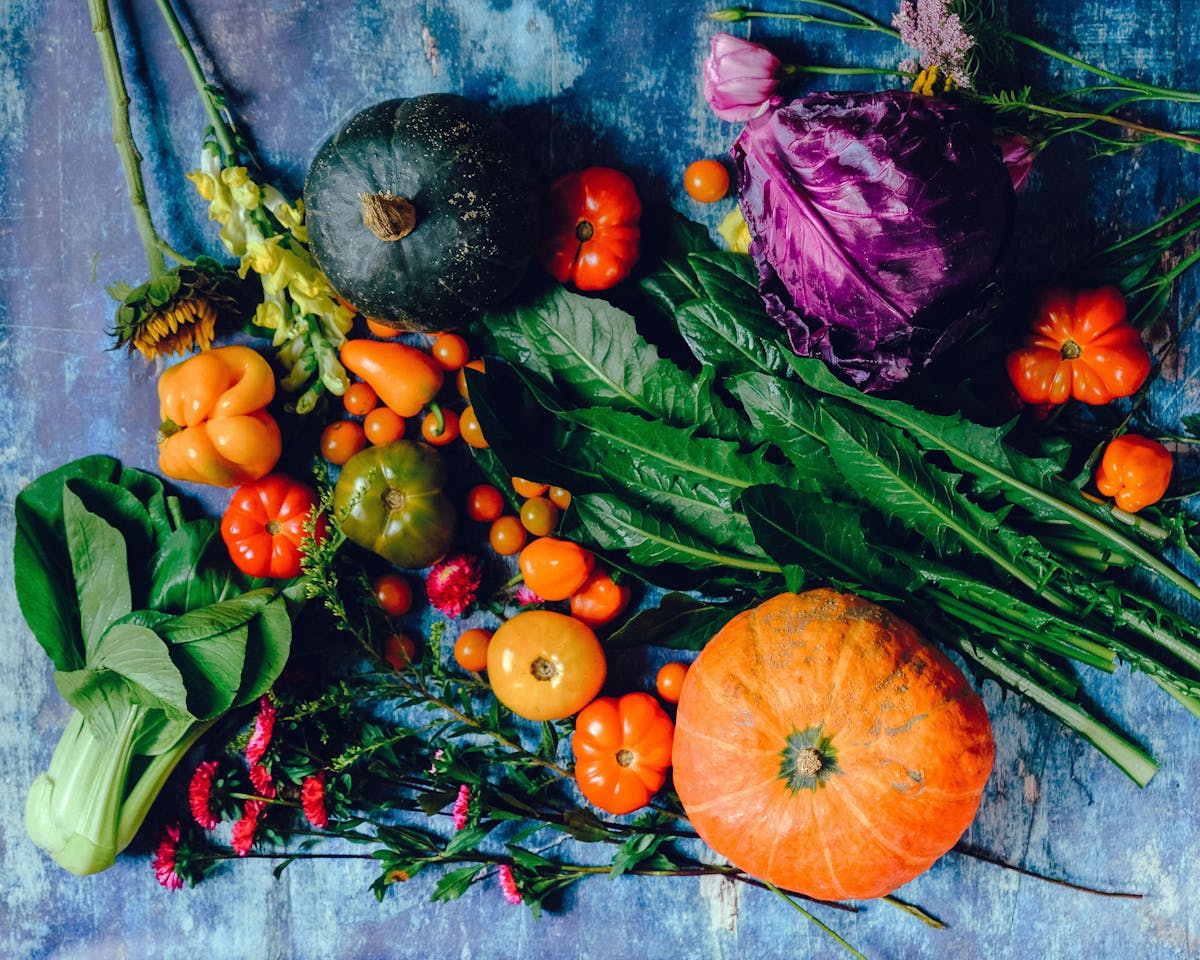
Photo Credit: Markus Spiske / Pexels
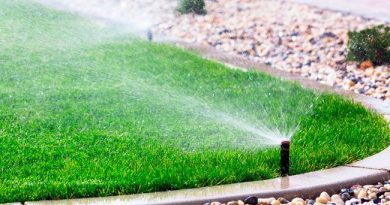
Watering is one area where smart technology can be particularly useful.
Traditional irrigation timers may run whether plants need water or not unless someone
remembers to adjust the schedule.
Newer irrigation controllers can use weather information or soil moisture readings to make
watering more responsive to actual conditions.
Weather Based Watering
Weather based irrigation controllers can use local weather and landscape conditions to adjust
how frequently and how much a landscape is watered.
Soil Moisture Based Watering
Soil moisture based controllers work differently. Sensors measure moisture in the ground and
can prevent scheduled irrigation when plants do not need additional water.
That is much more useful than watering simply because the clock says it is Tuesday morning.
Homeowners interested in this type of technology can learn more through the
EPA WaterSense Irrigation Controller Program
.
☀️ 3. Weather Data Can Help With Everyday Garden Decisions
Every gardener knows how quickly weather can change the day’s plans.
A stretch of hot weather can dry containers faster than expected. Several days of rain can
mean the garden needs very little additional water. An unexpected cold night can completely
change what needs to happen outdoors.
Connected weather stations and gardening tools can make local weather information easier to
monitor.
Some systems can combine weather information with automated irrigation, while simpler setups
may simply give homeowners better information before they decide what to do.
Either way, the idea is the same: respond to what is actually happening outside rather than
following exactly the same routine every day.
🪴 4. Indoor Smart Gardens Bring Growing Into the Home
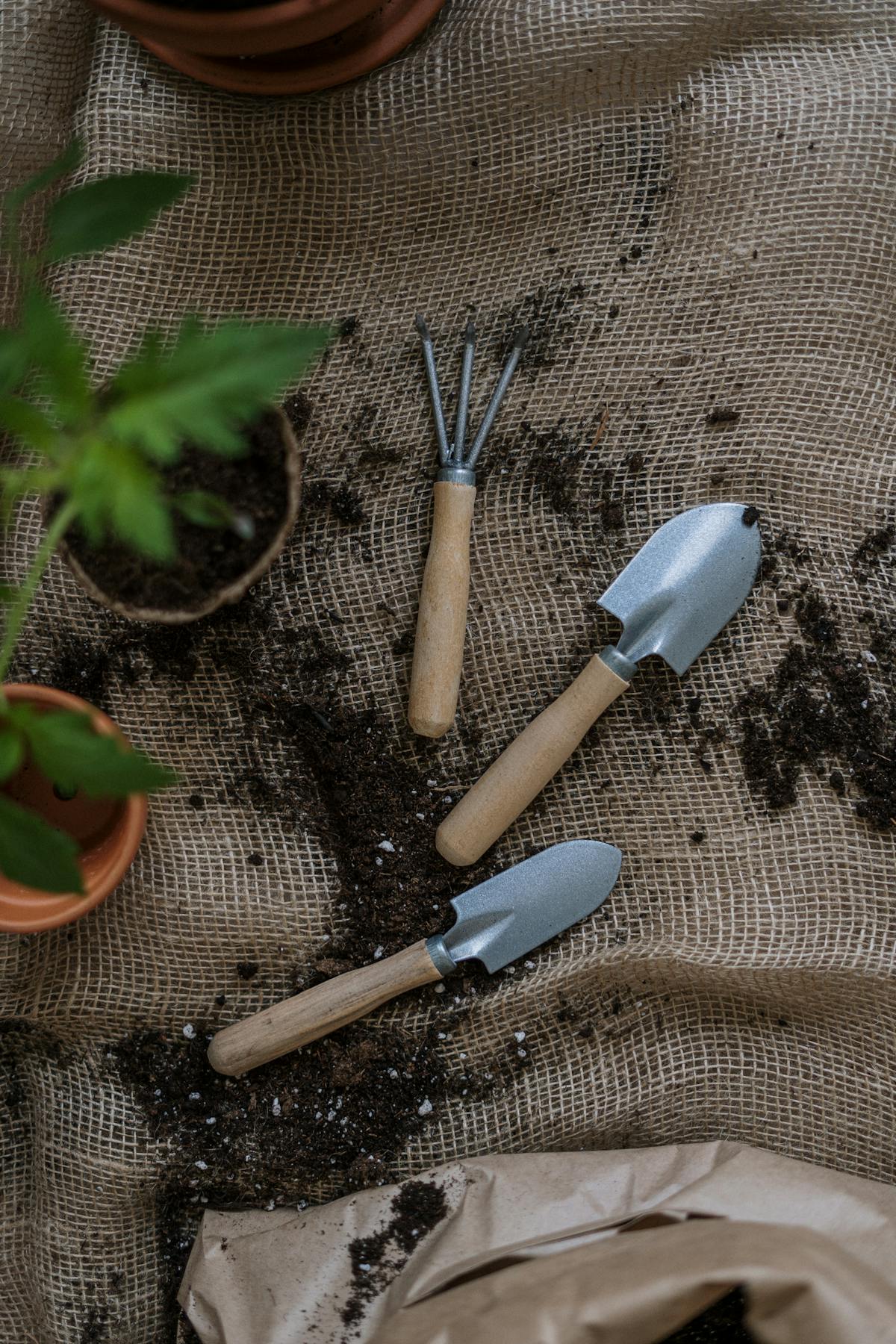
Photo Credit: cottonbro studio / Pexels
You do not need acres of property to experiment with technology and gardening.
Indoor smart gardens have made it possible for people to grow herbs, greens and other small
plants inside kitchens, apartments and homes where traditional garden space may be limited.
Depending on the system, features may include automated lighting, water reminders, pumps,
timers and app based monitoring.
These systems can be especially appealing during colder months when an outdoor garden may
not be producing much.
They can also be a fun way to introduce children to growing food because they can watch the
process happen right inside the house.
Before buying a smart garden, consider what you actually want to grow. A compact herb system
and a larger indoor vegetable setup can have very different space and maintenance requirements.
⚡ 5. Smart Energy Monitoring Can Help Around the Homestead
A greener home is not only about what happens in the garden.
Energy use is another area where connected technology can provide useful information.
Smart thermostats, energy monitors, connected plugs and other devices can help homeowners see
when and where energy is being used.
Information alone does not automatically save energy. The value comes from using that
information to make better decisions.
For example, discovering that a device is consuming more electricity than expected may lead
you to adjust when it operates or replace it with something more efficient when the time
comes.
Automation can also make certain routines easier, such as adjusting heating and cooling
schedules when nobody is home.
🤖 6. Where Does Artificial Intelligence Fit In?
The phrase artificial intelligence gets attached to almost everything these days, but AI
does not need to mean a robot walking through your vegetable garden.
In a home or garden setting, AI may be used behind the scenes to analyze information,
recognize patterns or help automate decisions.
Depending on the technology, that might include:
- Analyzing weather information
- Recognizing changes in environmental conditions
- Adjusting automated schedules
- Identifying patterns in energy consumption
- Helping organize gardening information
- Providing reminders based on collected data
AI tools can also help gardeners organize planting ideas, create garden checklists or research
questions to investigate further.
But AI generated advice should not automatically be treated as fact.
Plant recommendations can vary according to climate, soil, growing zone and local conditions,
so important gardening decisions should still be checked against reliable horticultural
resources and local expertise.
🌻 7. Technology Should Help Us Waste Less, Not Buy More
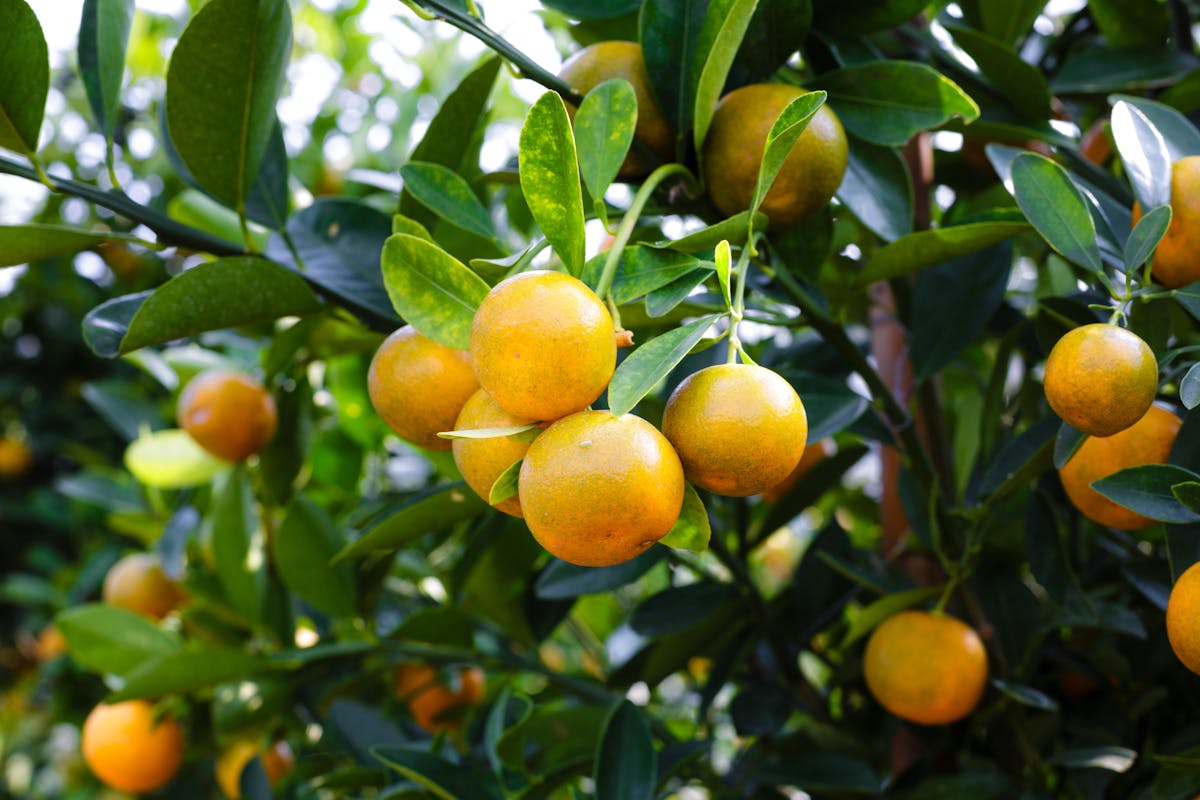
Photo Credit: Quang Nguyen Vinh / Pexels
There is an important point that can get lost whenever new technology enters the conversation.
You do not need to replace every ordinary garden tool with a connected version.
If your current watering system works well and you actively manage it, buying a collection
of new devices simply because they are labeled smart may not make your home any greener.
The best technology solves an actual problem.
Maybe you frequently forget to adjust your irrigation schedule after heavy rain.
A weather responsive controller could help.
Maybe you have difficulty knowing whether the soil is actually dry below the surface.
A moisture sensor may provide useful information.
Maybe you want fresh herbs during winter but have very little natural light.
An indoor growing system could make sense.
Start with the problem, then decide whether technology offers a useful solution.
💦 One Area Where Smart Technology Can Make a Real Difference
Water conservation is a great example of technology working alongside nature rather than
against it.
According to the U.S. Environmental Protection Agency, WaterSense labeled irrigation
controllers can use weather or soil moisture information to better match watering schedules
with what plants actually need.
Soil moisture based controllers can prevent irrigation when the ground already contains
enough moisture.
Weather based controllers can adjust schedules according to local weather and landscape
conditions.
Homeowners can also combine smarter controllers with simple practices such as checking for
leaks, directing sprinklers away from pavement and using microirrigation for gardens, trees
and shrubs.
❤️ Do Not Take the Human Out of the Garden
There is something special about working with plants that an app cannot replace.
You notice the first tomato beginning to ripen.
You see a flower that was not open yesterday.
You realize the basil needs trimming or discover that the birds have found your strawberries
before you did.
Those little moments are part of why people garden in the first place.
Technology should give us more opportunity to enjoy those moments, not turn gardening into
another screen we have to stare at all day.
🌿 Finding the Balance Between Nature and Technology
The future of the home garden does not have to be nature versus technology.
The more interesting possibility is finding ways for the two to complement each other.
Soil sensors can provide information. Smart irrigation can respond to changing conditions.
Indoor gardens can help people grow herbs where outdoor space is limited. Energy monitoring
can show homeowners where resources are being used.
Artificial intelligence can help organize and interpret some of that information.
But we still make the decisions.
We still put our hands in the soil, choose what to grow, watch the weather, care for the
plants and decide what kind of home we want to create.
Maybe the smartest home of all is one where technology helps us stay connected to nature. 🌱❤️
Smart home, artificial intelligence and gardening technologies vary widely by product.
Always review manufacturer instructions and verify important plant care recommendations with
reliable gardening or horticultural resources appropriate for your location.
Images featured in this article are used under the Pexels license. Photographer or source
credit is provided directly beneath each image.