Why Parents are Considering Private School Over Public
Parents today are weighing their educational options more carefully than ever, and private schools are becoming an increasingly attractive choice. Many families are drawn to smaller class sizes, personalized learning, and environments that prioritize both academics and extracurricular growth. Beyond academics, private schools often provide more opportunities for sports, wellness, and enrichment programs, helping children develop in well-rounded ways. From student-to-teacher ratios to campus amenities, the benefits can extend far beyond what traditional public schools offer.
Smaller Class Sizes and Individual Attention
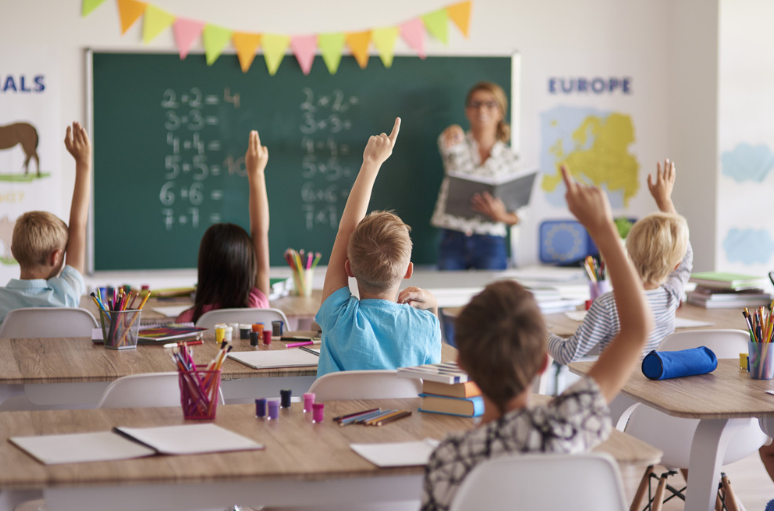
One of the main reasons parents consider private schools is the difference in class size and student-to-teacher ratios. The disparity between class sizes is a huge consideration for parents debating between public and private schools. The average class size is 25 kids, compared to 19 kids per class in private schools, according to NCES. Correspondingly, private schools have a better student-to-teacher ratio of 12.2 students, compared to 16.1 students per class in public schools.
Smaller classes allow teachers to provide more individual attention, notice when a student is struggling, and adjust lessons to fit unique learning styles. For parents, this means a child is less likely to get “lost in the crowd” and more likely to receive the guidance they need. Beyond academics, teachers can spend time nurturing social skills, emotional growth, and leadership qualities, which can have a lasting impact on a child’s confidence and development. Many families see these benefits as a compelling reason to invest in private education.
Wellness and Extracurricular Opportunities
Another factor driving parents toward private schools is the focus on wellness and extracurricular activities. According to International Christian School, only about one in five homes have parks within a half-mile, and about the same number have a fitness or recreation center nearby. Private elementary schools with an emphasis on athletics and wellness can help kids stay active no matter their neighborhood.
Access to structured physical education, sports teams, and recreational programs can make a big difference in a child’s health and daily routine. Beyond physical activity, private schools often provide enrichment in arts, music, and other non-academic areas, giving students a chance to explore interests that may not be as well supported in public schools. This combination of academics, physical activity, and extracurricular options appeals to parents who want a more balanced and engaging school experience for their children.
Campus Visits and Family Experience
Visiting a school is often the first step for families considering a private education. According to Admission.org, a typical tour of a private school lasts roughly 45 to 60 minutes. These tours provide parents with a chance to see classrooms in action, meet teachers, and get a feel for the school community.
Experiencing the campus firsthand can make a difference in how parents perceive the environment. Clean facilities, supportive staff, and organized spaces signal a commitment to quality education. During these visits, parents also have a chance to ask questions about curriculum, after-school programs, and student support services. For many families, the tour confirms that a private school can provide a nurturing and structured environment that aligns with their values and expectations.
Choosing the right school is one of the most important decisions parents make, and private education offers benefits that go beyond what many public schools can provide. From smaller class sizes and better student-to-teacher ratios to wellness programs and extracurricular opportunities, private schools offer a well-rounded approach to learning. Campus visits give families insight into the community, reinforcing the appeal of personalized attention and supportive environments. While every child’s needs are unique, the combination of academic rigor, extracurricular options, and close-knit communities explains why more parents are considering private schools as a compelling alternative to public education.