
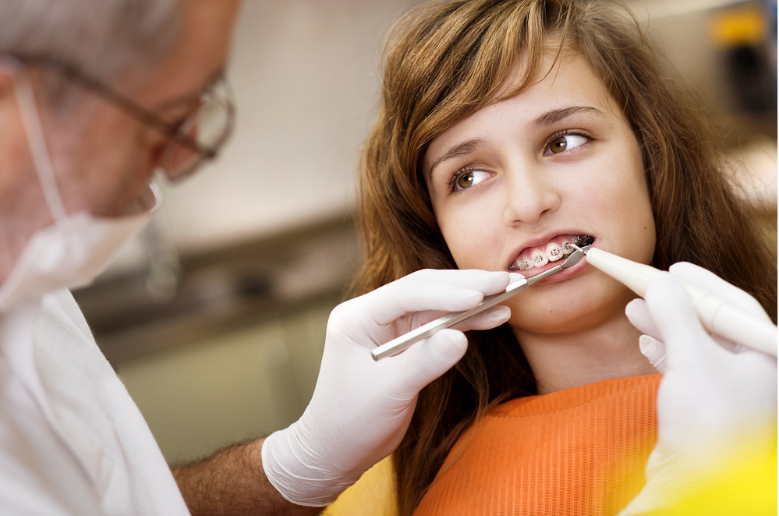
Thinking About Getting Your Child Braces? Here’s What You Need to Know.
As a parent, providing the best care for your child’s health, including their dental health, is often a top priority. Orthodontic treatment, including braces, is a common step many families consider to ensure their children have healthy, straight teeth. In this article, we’ll explore essential things to know about getting braces for your child, helping you make an informed decision for your family.
Understanding Why Braces Might Be Necessary
Braces can help correct any misalignments or bite issues your child may have, which can profoundly impact their oral health as they grow. Misaligned teeth can make it difficult to maintain proper oral hygiene, increasing the risk of cavities or gum disease. With around 11% of kids aged 2–5 having untreated dental decay in their primary teeth, addressing misalignment early on can aid in preventing further dental issues.
Aside from health-related reasons, braces can also improve your child’s self-esteem by enhancing their smile. A confident smile can positively influence your child’s social interactions and overall well-being. Empowering your child with a healthy smile can foster a positive family environment where everyone feels confident.
Evaluating the necessity of braces should be a collective decision involving your child, orthodontist, and family. Engaging in a conversation with your orthodontist can help assess the condition of your child’s teeth and determine if braces are needed. A thoughtful, family-centric approach can ensure your child feels supported throughout the orthodontic process.
Factors to Consider Before Getting Braces for Your Child
When contemplating braces, consider both the financial and emotional commitment required for orthodontic treatment. With a significant number of children from low-income households facing oral health challenges, financial planning is crucial if you’re considering braces. Almost 25% of kids from families living under 100% of the federal poverty line experience oral health issues, making early preventive care an economical choice in the long term.
Additionally, it’s critical to weigh the type of braces that best suit your child’s needs and lifestyle. Traditional metal braces and Invisalign are popular choices, each with unique advantages. Invisalign can offer results approximately five months sooner than traditional braces, potentially making them a desirable option for a quicker treatment timeline.
Emotional preparation is equally vital, ensuring your child understands the long-term benefits of braces. Kids need support adjusting to new routines, such as getting their braces tightened or altering eating habits. Encouraging open dialogue within the family can eliminate any anxieties and create a nurturing atmosphere.
Managing the Braces Journey
Once your child begins their braces treatment, maintaining diligent oral hygiene is critical to safeguard their teeth and gums. Proper cleaning techniques, such as using an orthodontic-friendly toothbrush, prevent decay and staining around braces and brackets. Given that approximately 11% of young kids have untreated tooth decay, reinforcing these habits can help prevent further dental issues.
Dietary changes are often necessary to protect braces from damage and prolong their lifespan. Avoiding sticky, hard, or sugary foods is essential to maintain the integrity of your child’s braces and overall oral health. Such changes can be more manageable with family support, making meal planning a shared activity.
Regular orthodontic visits are crucial in adjusting braces and ensuring the treatment is progressing successfully. Keeping a consistent schedule fosters discipline and allows the orthodontist to monitor the improvements in your child’s dental alignment. Active involvement from the family in attending dental appointments can keep the journey stress-free and enhance bonding.
The Road to a Beautiful Smile
The day will come when your child reaches the end of their orthodontic treatment, revealing a beautifully aligned smile. This transformation is not only cosmetic but can also significantly impact your child’s oral health and facial structure. Celebrating this milestone with your family can bring a remarkable sense of achievement and shared happiness.
It’s essential to follow post-treatment guidance from your orthodontist, such as wearing retainers to keep the teeth in their new positions. This step ensures that the investment in your child’s smile lasts a lifetime and emphasizes the importance of ongoing oral care. By adhering to these practices, parents can instill lifelong dental habits in their children.
Nurturing your child’s oral health through braces is a comprehensive journey involving education, commitment, and collective support. There’s a unique joy in watching your child grow into a more confident individual, benefiting from the orthodontic care you provided. Ultimately, maintaining a family focus encourages a healthy smile for life.
Choosing to get braces for your child is a significant decision that combines considerations of health, finance, and family dynamics. This journey is not one you have to undertake alone, as your orthodontist, coupled with a supportive family environment, can make the experience rewarding and manageable. With informed decisions and active involvement, you can help your child achieve a radiant smile that will benefit their health and confidence for years to come.




The breakdown of costs and treatment phases was helpful!!
as retainers is a long-term treatment.. a lot of commitment require
My niece wanting to have a brace even she doesn’t really need lol. Glad we took her to the dentist it helps when a professional explain it better.
Braces are so important for more than just looks. I’m glad you included the way it can impact oral health, as well. They aren’t just for vanity!
I think getting braces earlier is better. For kids, it will help them align their teeth better and also train them to take care of their teeth.