Online Bullying and Kids: Why Parents Must Stay Alert in a Digital World
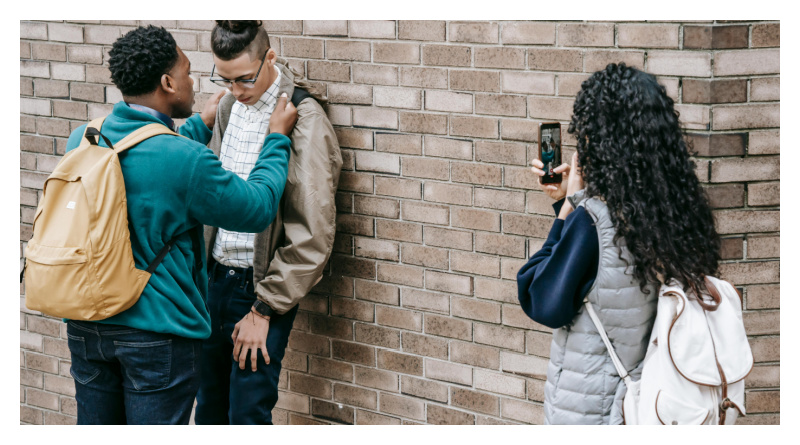
As parents, one of the most heartbreaking things we can witness is our child hurting, especially when that pain comes from something we can’t physically see or touch. Online bullying, also known as cyberbullying, has become one of the biggest concerns in today’s world. And honestly, it’s frightening how quickly it can happen. Children who don’t even know each other in real life are bullying one another online, hiding behind screens and fake profiles, often never realizing the emotional damage they’re causing.
It amazes me sometimes… How can you bully someone you don’t even know? But that’s the scary part about life on the internet. People, kids and adults feel protected by a screen. They say things they would never have the courage to say face-to-face. And that false sense of invisibility is exactly why we, as parents, need to stay alert.
Why We Must Watch for Signs of Bullying in Our Children
Kids rarely come out and say, “I’m being bullied.” Most of the time, they hide it. They’re embarrassed. They’re afraid. They don’t want to make things worse. And sometimes, they simply don’t have the words to express what they’re feeling.
As parents, we have to pay attention to signs such as:
Sudden changes in mood
Avoiding their phone or computer
Pulling away from family and friends
Dropping grades or losing interest in favorite activities
Trouble sleeping
Seeming anxious when notifications come in
These little cues matter. We need to know when something just doesn’t seem right, because our kids won’t always tell us. And with the internet being such a huge part of their daily lives, bullying can follow them everywhere, school, home, even late at night when they’re lying in their own bed.
Why Monitoring Your Child’s Internet Use Is Extremely Important
Some parents hesitate to “monitor” or “check” their child’s online activity because it feels like an invasion of privacy. But let’s be honest: our children’s safety will always come before their privacy and as for me, I don’t care, I’m going to always monitor their online activity.
Kids are vulnerable. They’re still learning, still trying to understand right from wrong, still figuring out who to trust. They need adults loving, attentive adults to help guide them, protect them, and stand between them and harmful situations.
Monitoring isn’t spying. Monitoring in my opinion is good parenting.
Whether it’s device checks, parental control apps, time limits, or open conversations, please stay on top of your child’s internet world. Know who they’re talking to. Know what platforms they’re on. Know what they are posting and what others are posting about them.
We cannot afford to look the other way anymore. The digital world is simply too big and too fast-moving. Bullying travels quicker online than gossip ever could on a school playground.
Here’s When to Contact Local Police for Help
Unfortunately, some situations go far beyond “kids being kids.” If your child is receiving:
Threats of violence
Stalking or repeated harassment
Messages encouraging self-harm
Sexual messages or exploitation
Any content that puts their physical safety at risk…it is absolutely time to involve the police. They take cyberbullying very seriously, and you are never overreacting when protecting your child.
Keep screenshots, document messages, and report accounts. Local law enforcement, along with your child’s school, can work together to prevent situations from escalating.
Bullying Doesn’t Just Affect Kids—Adults Experience It Too
Let’s not pretend that cyberbullying magically disappears when we turn 18. Adults are bullied online every single day especially on social media, at work, through email, and even in community groups.
Many adults don’t talk about it because we’re supposed to be “stronger” or “more mature,” but hurtful words are hurtful words at any age. Adults need support, too. We must learn to set boundaries, block hateful accounts, report harassment, and protect our mental peace.
When adults lead with strength and self-respect, our children learn to do the same.
Society Can Be Cruel… But It Can Also Be Incredibly Loving
We’ve all seen ugly moments on the internet, cruel comments, lies, rumors, and bullying that can destroy a person’s confidence. But we’ve also seen the opposite: strangers lifting others up, communities offering love and support, people coming together to help someone they’ve never even met.
This is why it’s important to remind our children that, although the internet can be harsh, there are wonderful people out there, too. Caring teachers. Kind friends. Parents who pay attention. Support groups. Organizations dedicated to protecting kids.
The world isn’t all bad—but our kids need us to help them navigate both the light and the dark sides of it.
Helpful Anti-Bullying Resources
Here are reliable websites offering support for parents and children:
StopBullying.gov – Government resources on prevention and reporting
Cyberbullying Research Center – Education and research for parents & teens
StompOutBullying.org – HelpChat Line and anti-bullying programs
PACER’s National Bullying Prevention Center – Family resources & school tools
The Trevor Project – Support for LGBTQ+ youth
Common Sense Media – Guides for safe social media and tech use
These sites are wonderful starting points for education and action.
Last but not least: Talk to Your Children, and Keep Talking
One of the greatest gifts we can give our children is the confidence to come to us about anything. Create a home environment where talking is normal. Where feelings are welcome. Where your child knows even on their worst day, they can come to you without fear, embarrassment, or judgment.
Kids need to know they are not alone. They need reassurance. They need to hear, “I’m here. You can always talk to me.”
Because in this world and especially on today’s internet, our children need us more than ever.




I don’t know if bullying is more prevalent now than when I was a kid, or if it’s just more visible now that we have social media and faster-paced lives. One thing is for sure, though- the stakes have never been higher.
This post really made me pause and think about how closely we need to stay involved in our kids’ online lives.
This is such a great article with important resources for bullying. I am sharing this with some of the teachers on our staff.
We must teach kids to have less screen time. We should also remind them on how to protect their mental health and how to deal with online bullies.
Such a timely read. The section on subtle warning signs really hit home as my daughter heads to secondary school. I also liked the practical advice on open chats and checking apps without snooping too much. It’s reassuring, but still makes you stay alert.
Sadly there is online bullying with adults too. So it’s hard to set an example when its OK when adults do it. I would not like to be a kid in this generation as other classmates are not very nice. It is so different now a days, then when I was a kid in the 80s. Online stays around and so many others can see it. So sad
Kids can be cruel. This info is so important for parents to know to keep their kids safe.
Kids can really have it rough 🙁 These are great tips on what to pick up on and watch for in terms of changes in their behaviour, etc., to then be able to help and support them.
Bullying has always been a thorn in my side. Now as a teacher, I see how pervasive it is with technology, and how hard it is to stop.
Now this doesn’t get talked about enough. I recently watched a documentary about the dangers our kiddos are exposed to on Discord and Snapchat, and I was in disbelief at what tech bros get away with. Thanks for sharing the signs to watch out for. Technology upgrades should come with manuals that include warnings about mental and emotional impacts.
This is definitely something diligent to stay on top of. In this digital age, it is good to stay on top of digital safety and have strategies and tips.
Really interesting topic, Lisa. Online bullying makes me feel somewhat powerless, but I believe that by being attentive as parents, we can realize if something is wrong.
Keeping a close eye on what happens online is the only way to protect our kids these days.
Bullying is more scary than it’s ever been before in this world. It’s so much easier than its ever been to bully, and it comes from all sides.