Ideas to Refresh Your Home with Rugs
One of the easiest ways to refresh your home without completing a major renovation is by adding a new rug. The right rug can instantly change the tone of a room by introducing color, warmth, texture, and personality. It can also help define your living space, soften hard flooring, and make the entire room feel more comfortable.
Rugs are available in countless colors, patterns, materials, shapes, and sizes, making it easy to find one that works with your current decorating style. Whether you want to brighten a neutral living room, make a bedroom feel cozier, or give your entryway a fresh look, a thoughtfully selected rug can make a noticeable difference.
Here are several creative and practical ways to refresh your home with rugs.
Change the Color Scheme
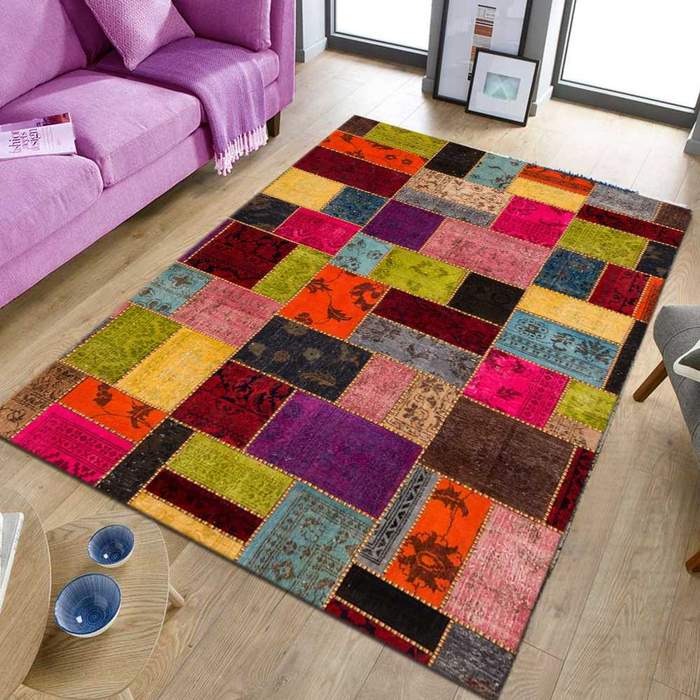
A rug is one of the simplest ways to introduce a new color scheme without repainting the walls or replacing all your furniture. You can use a colorful rug as the main focal point of the room or select a more neutral design that quietly brings all your existing décor together.
If your walls and furniture are mostly neutral, consider a rug with rich blues, greens, warm reds, or cheerful patterns. A bold rug can add energy and prevent the space from looking dull. In a room that already contains several colors or patterns, a softer rug in beige, cream, gray, or another muted shade may create better balance.
Try pulling one or two colors from the rug and repeating them through decorative pillows, curtains, artwork, or small accessories. This simple decorating technique can make the room feel coordinated without making everything look overly matched.
Add New Decorative Accents
Once you introduce a rug into a room, it becomes easier to select decorative accents that complement the space. Vases, plants, baskets, wall art, lamps, and throw pillows can all draw inspiration from the rug’s colors and patterns.
For example, a botanical rug may inspire you to add greenery, natural wood pieces, and earthy accessories. A geometric rug can work beautifully with modern lighting, clean furniture lines, and simple decorative objects. A traditional patterned rug may pair well with vintage furniture, framed artwork, or antique-inspired accents.
You do not need to purchase everything at once. Start with the rug, live with it for a few days, and then slowly introduce a few accessories that help complete the look.
For more decorating inspiration, take a look at these helpful websites for home décor ideas.
Soften Hard Flooring
Hardwood, laminate, vinyl, and tile flooring can be beautiful, but they may sometimes make a room feel cold or unfinished. Adding a rug introduces softness underfoot and gives the space a warmer, more welcoming appearance.
Rugs can be especially useful beside the bed, underneath a coffee table, in a reading corner, or near a sofa where family members frequently relax. A runner can also soften a long hallway or kitchen walkway while adding color to an otherwise plain area.
A rug may also help protect flooring in busy parts of the home. Entryways, living rooms, hallways, and dining areas receive a lot of foot traffic, so placing a durable rug in these spaces can reduce everyday wear.
Choose the Right Rug Size
Choosing the proper rug size is just as important as selecting the right color or pattern. A rug that is too small can make furniture appear disconnected, while a rug that is too large may overwhelm the room.
In a living room, try to choose a rug large enough for at least the front legs of the sofa and chairs to rest on it. This helps connect the furniture and creates a defined conversation area. In a bedroom, the rug should extend far enough beyond the sides of the bed to provide a soft place to step in the morning.
For a dining room, measure both the table and the chairs while they are pulled out. The rug should be wide enough for the chairs to remain on it when someone sits down or stands up. The RugKnots area rug buying guide offers additional information about selecting sizes, materials, and styles.
Improve the Furniture Arrangement
A rug can help create a better furniture arrangement, especially in large rooms or open floor plans. Rather than pushing every piece of furniture against the walls, use a rug to establish a comfortable seating area in the center of the room.
In an open living and dining space, separate rugs can help visually distinguish one area from another. A large rug beneath the sofa and chairs creates a living room zone, while another rug underneath the dining table gives that area its own identity.
The rugs do not have to be identical, but they should share at least one similar color, texture, or design element. This creates a sense of flow while still allowing each part of the room to have its own personality.
Mix Rugs Without Making the Room Feel Busy
Using multiple rugs throughout your home does not mean every rug must match perfectly. In fact, decorating with identical rugs in every room can sometimes make the home feel less personal.
Instead, look for rugs that complement one another. You might use different patterns that share a similar color palette or choose rugs made from the same material in slightly different shades. This helps create consistency without making each room look exactly the same.
If one rug features a bold pattern, allow the nearby rug to be a little quieter. Mixing one statement rug with a simpler neutral style usually creates better visual balance than placing several busy patterns next to one another.
Try Layering Rugs
Layering rugs is a creative way to add dimension and texture to a room. It also provides a solution when you love a smaller rug but it does not quite fill the space.
Start with a large neutral rug made from jute, sisal, or another simple material. Then place a smaller colorful or patterned rug on top. The bottom rug helps define the room, while the smaller rug becomes the decorative focal point.
This look works especially well in living rooms, bedrooms, home offices, and reading corners. You can place the smaller rug at an angle for a more relaxed appearance or center it for a neat, balanced look.
Add Color, Texture, and Personality
Rugs do much more than cover the floor. They introduce texture that can make a room feel layered and complete. A thick wool rug creates a soft, luxurious appearance, while a flat woven rug may give the room a more relaxed and casual feel.
Natural fiber rugs work well in coastal, farmhouse, bohemian, and neutral spaces. Plush rugs add extra comfort to bedrooms and family rooms, while low pile rugs are often easier to maintain in busy areas.
Patterns also offer a wonderful way to show your personality. You can choose florals, stripes, traditional medallions, geometric shapes, abstract designs, or simple solid colors. The best choice is the one that makes you happy each time you enter the room.
Consider Washable Rugs for Busy Areas
Washable rugs have become a practical option for households with children, pets, or frequently used rooms. They can be especially useful in kitchens, entryways, playrooms, and dining areas where spills and muddy shoes are more likely.
Before buying one, always read the care instructions and make sure the rug will fit inside your washing machine. Some larger washable rugs may require a commercial machine, while smaller styles are easier to clean at home.
Even if a rug is not machine washable, routine vacuuming and quick attention to spills can help it remain attractive for years. Always follow the manufacturer’s cleaning instructions because different materials require different methods.
Use Runners in Narrow Spaces
Runners are not only for hallways. They can also add color and comfort to kitchens, laundry rooms, bathrooms, and long entryways. A runner is especially helpful in areas that feel narrow or empty but are not large enough for a traditional area rug.
Choose a runner that leaves a little flooring visible along each side. This prevents the space from feeling crowded and helps showcase both the rug and the flooring underneath.
In kitchens and bathrooms, select a rug with a nonslip backing or use a proper rug pad to help keep it securely in place.
Do Not Forget Outdoor Rugs
Rugs can also refresh your patio, porch, deck, or covered outdoor seating area. An outdoor rug helps make exterior spaces feel like an extension of your home rather than a separate area.
Choose a rug specifically designed to handle outdoor conditions, moisture, and sunlight. Pair it with comfortable seating, colorful pillows, planters, and outdoor lighting to create a welcoming place for relaxing or entertaining.
You can find more inspiration in our guide to patio and outdoor finds for summer gatherings.
Use a Rug Pad
A rug pad may not be visible, but it can make a big difference. It helps prevent sliding, adds a little extra cushioning, and protects both the rug and the flooring beneath it.
Rug pads are especially important in homes with children, older adults, or pets because loose rugs can become a tripping hazard. Make sure the pad is slightly smaller than the rug so it remains hidden around the edges.
Refresh Your Home One Room at a Time
You do not need to replace every rug in your home at once. Start with the room that feels the most unfinished or receives the most use. A new rug in the living room, bedroom, dining area, or entryway may be all it takes to make the space feel fresh again.
Pay attention to the room’s size, existing colors, furniture arrangement, and daily activity before choosing a rug. The perfect rug should be beautiful, but it should also fit the way your family actually uses the space.
Whether you choose a bold statement rug, a soft neutral design, a practical washable option, or a layered look, rugs offer an affordable and flexible way to change your décor. With the right color, size, texture, and placement, one rug can completely transform the atmosphere of a room and help make your home feel warmer, more polished, and uniquely yours.