
How to Stay Cool During Summer Heat Waves
Summer has finally hit and so has the hot weather. Many of us are seeing temperatures over 80 degrees and climbing, and do you know how to survive these hot days safely? Now remember, this is just the start of summer, so we have a long way to go before cooler weather returns. Whether you are spending time outdoors, heading to the beach, working in the yard, or simply trying to stay comfortable at home, it is important to understand how extreme heat can affect your body.
The good news is that there are many simple ways to stay cool, stay hydrated, and enjoy everything summer has to offer. Below we have some great recommendations on how to survive this hot summer while keeping yourself and your family safe.
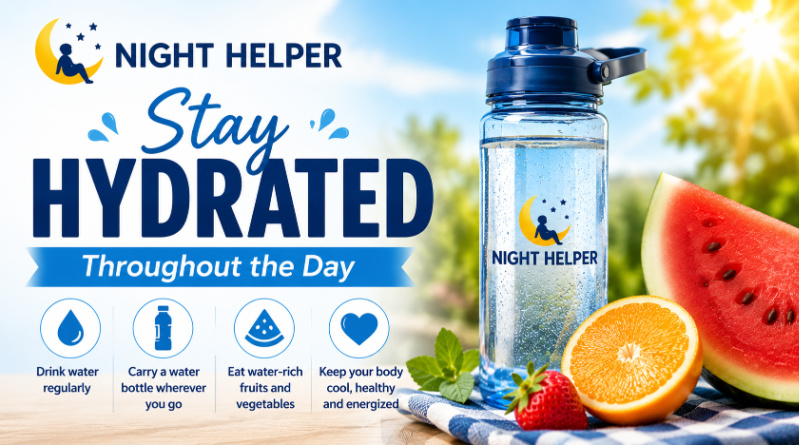
Stay Hydrated Throughout the Day
One of the most important things you can do during hot weather is stay hydrated. When temperatures rise, your body loses fluids through sweat much faster than usual. Even mild dehydration can leave you feeling tired, dizzy, and sluggish.
Don’t wait until you feel thirsty to drink water. By the time thirst sets in, your body may already be experiencing dehydration. Carry a reusable water bottle with you and make a habit of taking regular sips throughout the day.
Water-rich foods can also help keep you hydrated. Some great options include:
Watermelon
Strawberries
Cucumbers
Celery
Oranges
Grapes
According to the Centers for Disease Control and Prevention (CDC), staying hydrated is one of the most effective ways to prevent heat-related illness during periods of extreme heat. Water-rich foods such as watermelon, cucumbers, strawberries, oranges, and celery can help support hydration during hot weather. If you’re looking for additional ways to enjoy watermelon this season, try some refreshing watermelon recipes.
Limit Outdoor Activities During Peak Heat Hours
Many people enjoy spending time outside during the summer, but it is important to be mindful of when you are outdoors.
The hottest part of the day is typically between 10 a.m. and 4 p.m. During these hours, the sun’s rays are strongest and temperatures often reach their highest levels.
If possible:
Schedule outdoor activities early in the morning.
Save yard work for the evening.
Take frequent breaks in shaded areas.
Avoid strenuous exercise during extreme heat.
There is nothing wrong with enjoying the sunshine, but knowing when to take a break can help prevent heat exhaustion and heat stroke.
Wear Lightweight and Breathable Clothing
What you wear can make a huge difference in how comfortable you feel during the summer months.
Choose lightweight, loose-fitting clothing made from breathable fabrics. Cotton and moisture-wicking materials can help your body cool itself more efficiently.
Some summer essentials include:
Lightweight t-shirts
Tank tops
Breathable shorts
Sun hats
UV-protective sunglasses
Comfortable sandals
Light-colored clothing is also a smart choice because it reflects sunlight instead of absorbing it.
Don’t Forget Sunscreen
While many people focus on staying cool, protecting your skin is equally important.
Sunburn not only damages your skin but can also make it harder for your body to regulate its temperature. Even on cloudy days, harmful UV rays can still reach your skin.
The American Academy of Dermatology recommends using a broad-spectrum sunscreen with SPF 30 or higher and reapplying every two hours when outdoors.
Don’t forget commonly missed areas such as:
Ears
Neck
Feet
Hands
Scalp
Recognize the Signs of Heat Exhaustion
Many people underestimate how dangerous extreme heat can become.
Heat exhaustion occurs when the body overheats and struggles to cool itself properly. Symptoms can develop quickly, especially during prolonged exposure to high temperatures.
Common warning signs include:
Heavy sweating
Weakness
Dizziness
Headache
Nausea
Muscle cramps
Fast heartbeat
If you notice any of these symptoms, move to a cooler location immediately, drink water, and rest.
The National Weather Service Heat Safety Guide offers excellent information about recognizing and responding to heat-related illnesses.
Create Cool Spaces at Home
Not everyone has access to a swimming pool or air-conditioned vacation destination, but there are still plenty of ways to keep your home comfortable.
Try these simple cooling strategies:
Close blinds during the hottest part of the day.
Use ceiling fans to improve airflow.
Keep curtains closed on sun-facing windows.
Run appliances during cooler evening hours.
Use portable fans in frequently used rooms.
If your home becomes too warm, consider spending a few hours in public air-conditioned spaces such as libraries, shopping centers, community centers, or movie theaters.
Cool Off With Frozen Treats
One of the best parts of summer is enjoying refreshing treats that help beat the heat.
Some favorites include:
Frozen fruit smoothies
Homemade popsicles
Frozen yogurt
Fresh fruit bowls
Slushies
Frozen lemonade
Making your own frozen drinks at home can be a fun family activity while helping everyone stay cool on especially hot afternoons.
Adding fresh fruits such as strawberries, peaches, blueberries, and watermelon can make these treats both delicious and nutritious.
Keep Children Safe in the Heat
Children are often more vulnerable to heat-related illnesses because their bodies do not regulate temperature as efficiently as adults.
Parents should pay close attention to:
Hydration levels
Time spent outdoors
Proper sun protection
Signs of overheating
Make sure children take regular water breaks when playing outside and encourage activities in shaded areas whenever possible.
Most importantly, never leave a child unattended in a parked vehicle, even for a short period of time. Temperatures inside a vehicle can rise rapidly and become dangerous within minutes.
The National Highway Traffic Safety Administration (NHTSA) provides important information about preventing heatstroke in children.
Protect Older Adults During Heat Waves
Older adults often face additional challenges during extreme heat events.
Certain medications, medical conditions, and age-related changes can increase the risk of heat-related illness.
If you have elderly family members, neighbors, or friends, check on them regularly during periods of extreme heat.
Simple actions can make a big difference:
Ensure they have working fans or air conditioning.
Encourage regular hydration.
Help with grocery shopping if needed.
Check in daily during heat advisories.
A quick phone call or visit could help prevent a serious health emergency.
Be Smart About Outdoor Exercise
Summer is a wonderful time to stay active, but it is important to exercise safely.
If you enjoy:
Walking
Running
Cycling
Hiking
Outdoor fitness classes, consider scheduling workouts during cooler parts of the day.
Morning hours often provide lower temperatures and reduced humidity, making exercise safer and more enjoyable.
Always bring water and listen to your body. If you begin feeling lightheaded, stop exercising and cool down immediately.
Watch Your Pets Too
Our pets feel the heat just like we do.
Dogs and cats can quickly become overheated during hot weather, especially when spending extended periods outdoors.
Protect your pets by:
Providing fresh water at all times.
Ensuring access to shade.
Avoiding hot pavement.
Walking dogs during cooler hours.
Never leaving pets in vehicles.
If the pavement feels too hot for your hand, it is likely too hot for your pet’s paws as well.
Enjoy Summer Safely
Summer is one of the most enjoyable seasons of the year. It is a time for family gatherings, backyard barbecues, vacations, beach trips, and making memories outdoors. However, the rising temperatures that come with summer can also create serious health risks if we are not prepared.
By staying hydrated, wearing appropriate clothing, protecting your skin, recognizing the signs of heat-related illness, and making smart choices about outdoor activities, you can enjoy everything summer has to offer while staying safe.
The heat may be here to stay for a while, but with a little planning and awareness, you can make the most of every sunny day while keeping yourself and your loved ones healthy all season long.




I really loved your tips on staying cool during those summer heat waves! The ice packs in the sheets idea is pure genius. I’ll definitely be trying that out! Also, if you’re into summer fun activities, check out blumgi slime for some awesome slime creations to keep kids entertained indoors! Thanks for sharing such helpful advice!
Thanks for the great tips on staying cool! I remember last summer when I tried freezing towels, and it worked wonders. Definitely keeping that one in mind again!
With temperatures rising every year, it is easy to forget how quickly heat can affect our health. Reminders about staying hydrated and checking on older family members and also our pets can help as we are not used to having to remember checking others hydration levels. We’ve already experienced some very hot days (I’m melting today!!!), and these tips are a great reminder to slow down, stay cool, and enjoy summer safely.
Fantastic suggestions! Thanks a lot. They are exactly what I need to keep my family safe and comfortable all summer long.
Hydrating foods is such a good way to keep yourself cool and hydrated! We have had SUCH warm weather lately – this is a great summer heat wave.
I am in Texas, and whew, it can get hot here. This is some great advice–I always have water on me when I go out in the summer. I try to avoid going out when it’s the hottest.
We have already had several very hot days. I’ve been trying to encourage my kids to drink more water.
I feel like these tips on how to stay cool during the summer heat wave will be pretty useful for me. Currently, we are experience a heat wave in our area and thank you very much for putting this together.
Yes, to the exercise! If I don’t get it done early in the morning, it just won’t get done. It gets way too hot outside.
I need to be better about hydration. I am moving from NY to North Carolina in a few weeks and I need to consider some of these tips.
Summer heat is no joke. It’s rough out here. We just had a heat wave. We always keep sunscreen and aloe in deck.
While I do love summer and warm weather, being able to escape the heat is essential. Keeping the windows closed on really hot days and running the ceiling fans is so helpful. I also love a cold treat on those steamy summer days.
I think as soon as we get a bit of sun everyone gets overly excited and wants to spend as much time as possible outdoors, but on those really hot days it can be quite dangerous. I liked how you mentioned water rich foods. I find with my kids sometimes this is the best way to get water into them. They devour watermelon like I don’t know what haha
Claire.X
http://www.clairemac.co.uk
We had a heatwave last week in the UK. I made sure to stay indoors during the hottest parts and kept us all hydrated and cool with fans on. Great tips here!
We packed our fridge with juices and ice cream in anticipation of a heat wave…We hate those….Thank you so much for the tips, they’re pretty much needed.
We have several misting fans placed strategically on our deck to keep us cool. It gots super hot where we live.