Could Your Child’s Favorite Toy Be Shaping Their Future?
Toys are more than just things children toss around or cuddle with. They are part of how young minds explore the world, test ideas, and make sense of everyday life. When a child is deep in play, there is often much more happening than meets the eye.
So, could a favorite toy be shaping how they think, what they enjoy, or even what they might want to do in the future? It is a big question, but it is worth considering. Sometimes, the games children love most reveal more than we realize.
Toys That Spark Creativity
A child’s imagination can turn almost anything into a world of its own. Creative toys such as dress-up clothes, musical instruments, or story-building games give children opportunities to explore who they are and how they view the world. These moments may seem like simple fun, yet they provide children with the freedom to create without fear of being judged.
When a child spends hours inventing stories or sketching characters, they are strengthening their ability to think in new and original ways. This skill matters not only in the arts but also in problem-solving, sharing ideas, and working collaboratively with others. People who learn to think creatively are often the ones who introduce fresh solutions to long-standing problems later in life.
Toys, like the barbie range, allows children to play out many different roles such as artist, athlete, doctor, or explorer through imaginative role-play. This kind of play helps children try out ideas about what they enjoy or who they might want to become one day. It is not about the toy itself, but about how it is used during play. That process can shape thinking and open doors to new interests.
Toys That Encourage Problem-Solving
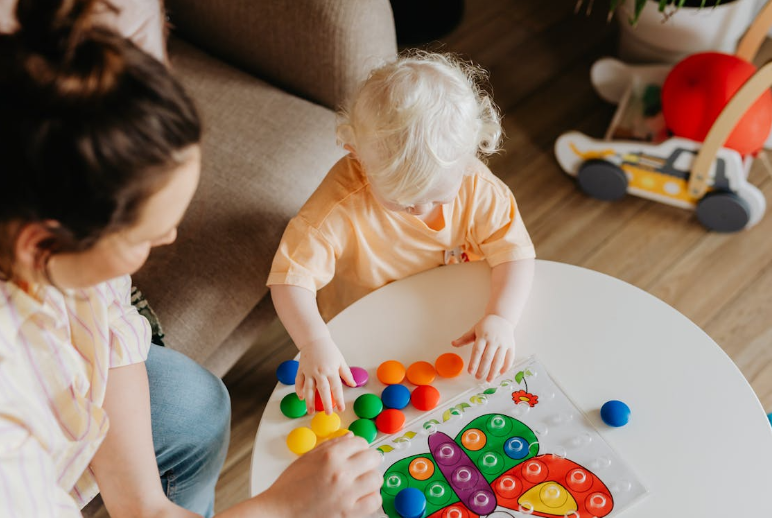
Not every toy exists simply to keep children busy. Some encourage them to think in steps, plan ahead, and make adjustments when things go wrong. Building blocks, puzzles, and strategy games are strong examples of toys that require problem-solving.
These toys build more than hand-eye coordination. They support the development of patience and logical thinking. A child who enjoys them may learn to see challenges as exciting rather than frustrating. Over time, this way of thinking can spark an interest in subjects such as mathematics, science, or coding.
Children who grow up with strong problem-solving skills tend to feel more confident when faced with difficulties. They also learn how to recover when things do not go as planned. The resilience and persistence they practice during play often carry over into school and later into adult life.
Toys That Imitate Real-Life Roles
Many children naturally imitate what they observe in their daily environment. Toys such as doctor sets, toy kitchens, or small shop playsets let them act out real-world roles in a way that feels fun and manageable. This is one of the first ways they begin to understand everyday life.
Through these toys, children can test out roles and responsibilities in a light and engaging setting. Pretend play of this kind helps them develop social awareness, empathy, and decision-making skills. For example, a child who pretends to cook a meal or run a shop is also learning about planning, communication, and teamwork.
When children repeat these forms of play, it can highlight where they feel comfortable or curious. It might not predict a future career, but it gives them valuable opportunities to explore how the adult world functions. That type of learning is useful even when it is wrapped in playful activity.
The Role of Repetition and Preference
It is common to see a child choose the same toy again and again. This is not always about comfort. It can sometimes point to a deeper interest. When a child repeats a particular type of play, they may be working through a theme or skill that is important to them.
Patterns in play are worth paying attention to. For example, if a child constantly builds structures, they might enjoy design and order. If they prefer to organize objects or care for dolls, that may hint at an interest in relationships and responsibility. These signs are not fixed rules, but they provide small clues about what a child values and enjoys.
At the same time, children need room to shift and change. A single phase does not mean they are committed to one path. They grow quickly, and so do their interests. It is more helpful for parents to remain observant rather than attempting to direct play too closely.
Encouraging a Balance
Variety in play is just as important as depth. Even if a child has a strong preference for one type of toy, having access to a mix of experiences can support more rounded development. This does not require a shelf overflowing with toys. It simply means introducing variety when possible.
Children benefit from exploring different ways of thinking, whether creative, logical, emotional, or physical. On some days they may want to draw or build, while on others they may prefer to run, role-play, or organize. All of these forms of play are both valid and helpful for growth.
The goal is not to push a child towards one specific skill but to give them opportunities to discover what excites them. Balanced play encourages curiosity and flexible thinking. That foundation helps children grow into adults who are open to learning and confident in exploring new skills.
Final Thoughts
It is clear that toys are more than just entertainment. They are part of how children grow, learn, and explore who they are. A favorite toy can subtly shape interests long before anyone notices.
Parents do not need to overthink the process. It is enough to observe what sparks their child’s excitement and to provide space for that joy. Often, the simplest toys make the biggest impact, quietly guiding learning through the power of play.




There are so many great toys available nowadays to spark their creativity. It doesn’t have to be expensive, though
I agree with you that yes, toys are more than just entertainment. I personally opt for educational toys as gifts because they can be very helpful in the child’s development. 🙂
I can imagine how toys could shape a child’s future! My kids are in their late teens now. They had some very educational toys when they were younger…my son loved his Rubik’s Cube!!!
What a wonderful article! I love how problem solving toys truly help with my child’s development. These are cognitive skills they will always need!
Very cool! My nephew really loves dress-up and playing with blocks. It’s fun to watch him play and watch how he learns through play!
It’s great that parents are more clued up about the value of certain types of toys for little ones these days. I like to gift educational toys so those that involve a degree of thought suitable for that age bracket. It’s important to give a range of toys for different types of development.
I certainly agree with the idea that the toys children play with play some role in shaping them. My kids are in their 20’s now. I am sure that toys have evolved a lot since then, but I always bought toys for my kids that would inspire learning, creativity and critical thinking. Great article.
It’s wild how something as simple as a toy can spark long-term interests or even shape how kids see the world. I totally remember certain toys from my own childhood that definitely influenced who I am now. Such a cool reminder to pay attention to what lights them up!
I’m sitting here trying to remember my own kids favorite toys! My son’s was Thomas the Tank Engine! We had the whole collection! And my daughters was American Girl dolls. She had just about every one! What great memories. Thanks for the advice too, for my future gran babies!
Yesss, this is so true! I love how you described what each of these toys helps with – it really helps us understand children so much better.
That’s interesting. My son is autistic, and I find his interests so fascinating. One day he’s a basketball player, then he’s a dancer, then a drummer, then a mechanic… his creative mind is inspiring.
Play absolutely shapes our children as they grow. That’s why it’s so important to choose the right ones!
A child’s favorite toy does more than spark joy. It can nurture social, emotional, and cognitive skills that last a lifetime. It’s a great reminder for parents to choose toys thoughtfully.