
5 Tips To Eliminate Garden Waste
Gardening is a rewarding hobby that adds beauty to your outdoor space while increasing your home’s curb appeal and overall value. Whether you enjoy growing flowers, vegetables, herbs, or ornamental shrubs, maintaining a healthy garden requires regular care throughout the year.
Along with beautiful blooms and thriving plants comes an unavoidable byproduct—garden waste. Leaves, grass clippings, weeds, twigs, branches, and plant trimmings can quickly accumulate if they are not managed properly. When left to pile up, garden waste can make your yard look untidy, attract unwanted pests, reduce airflow around plants, and take up valuable outdoor space.
The good news is that much of your garden waste doesn’t have to end up in the trash. Many materials can be composted, recycled, or reused around your landscape, helping both your garden and the environment. Here are some of the best ways to eliminate garden waste while keeping your property clean and well maintained.
Best Ways to Get Rid of Garden Waste
The following methods can help you reduce waste while giving many natural materials a second life.
- Create Compost
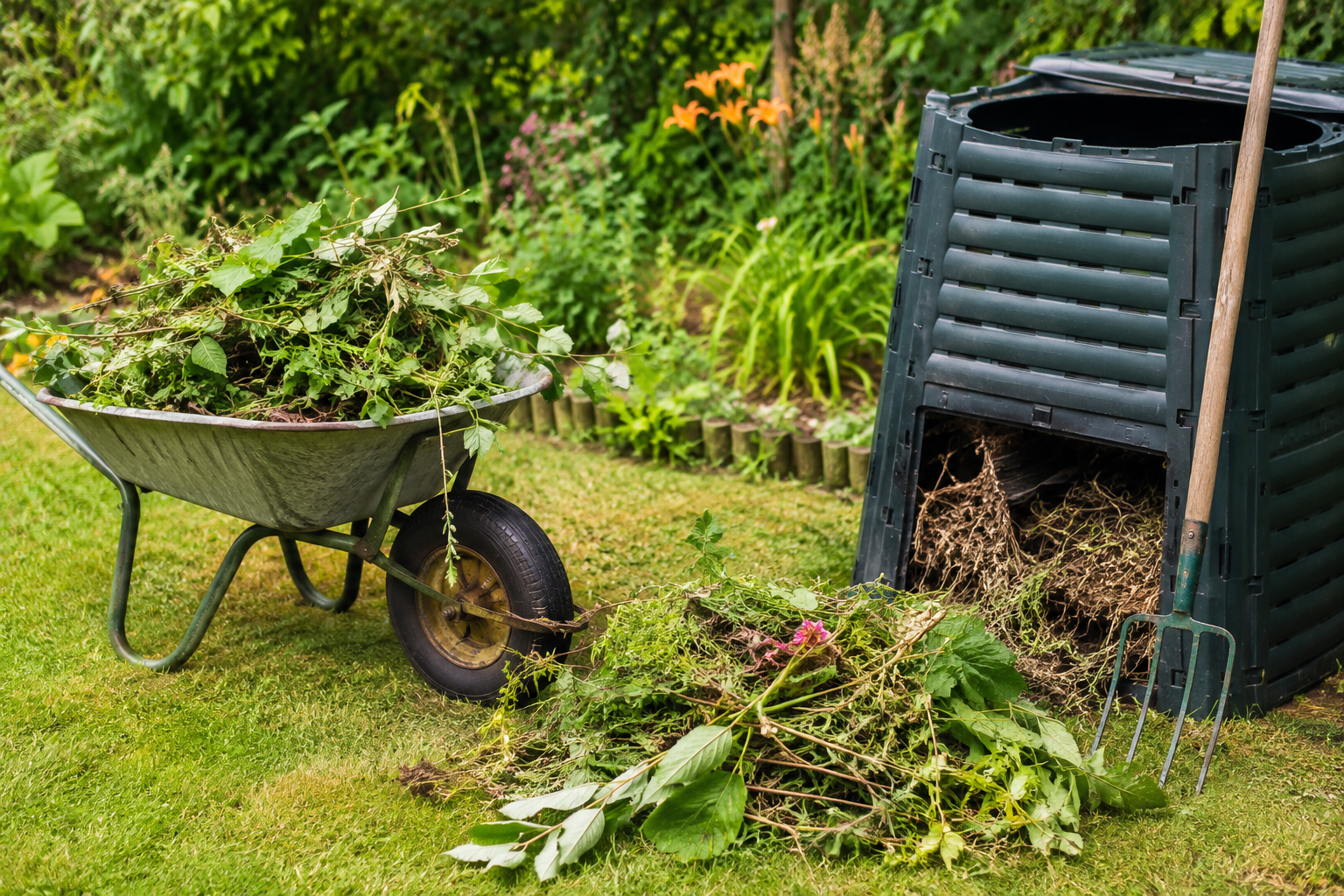
Composting remains one of the easiest and most environmentally friendly ways to dispose of garden waste. Instead of throwing away leaves, grass clippings, weeds, small twigs, and plant trimmings, you can recycle them into nutrient-rich compost that naturally improves your garden soil.
Many kitchen scraps can also be added to a compost pile, including fruit and vegetable peels, coffee grounds, and eggshells. However, avoid adding meat, dairy products, cooking oils, or diseased plants, as these materials may attract pests or introduce unwanted bacteria.
Finished compost can be mixed into flower beds, vegetable gardens, raised beds, or around shrubs to improve soil structure, retain moisture, and provide nutrients naturally. If you produce more compost than you need, consider sharing it with neighbors or donating it to a local community garden.
If you’re new to composting, the Royal Horticultural Society offers excellent resources and step-by-step guidance to help you get started.
- Turn Garden Waste Into Mulch
Another excellent way to recycle garden waste is by creating your own mulch. Small branches, bark, woody shrubs, and tree trimmings can be processed using a garden shredder or wood chipper and then spread around flower beds, trees, and shrubs.
Mulch provides several benefits for your landscape. It helps retain soil moisture, reduces weed growth, protects plant roots from temperature extremes, and gradually enriches the soil as it naturally decomposes.
Creating mulch from your own garden waste also helps reduce the amount of material that needs to be hauled away while saving money on landscaping supplies. For best results, keep mulch a few inches away from tree trunks and plant stems to help prevent excess moisture and potential disease issues.
- Use Green Waste or Skip Bins
If you are working on a large garden cleanup, tree trimming project, or landscaping refresh, a green waste bin or skip bin can make the job much easier. Instead of trying to bag everything little by little, you can place approved yard waste in one container and arrange for pickup when it is full.
If you are located in Australia, services such as Skip Bin Finder can help you locate waste removal providers in your area.
Before using any skip bin, always check what materials are accepted. Many providers allow green waste such as branches, leaves, grass clippings, and plant trimmings, but they may not accept plastic pots, treated wood, construction waste, or household garbage.
- Take Garden Waste to a Recycling Center
Many local recycling centers and municipal yard waste facilities accept organic garden materials such as leaves, twigs, grass clippings, pruned branches, weeds, fallen fruit, and vegetable waste. These materials are often turned into compost or mulch instead of being sent to a landfill.
When gathering garden waste for recycling, avoid mixing it with plastic flower pots, bedding trays, landscape fabric, plastic bags, or other non-organic materials. Reusable containers or approved yard waste bags are usually a better option.
- Reuse or Recycle Garden Materials
Many garden materials can be reused around your home instead of being thrown away. Twigs, branches, leaves, and logs can often serve a second purpose in your yard or garden.
- Use branches to create natural garden borders.
- Turn larger limbs into firewood where permitted.
- Create simple plant supports for climbing vegetables.
- Use shredded wood for garden paths or mulch.
- Add dry leaves to compost or use them to protect garden beds.
- Repurpose logs as rustic edging or outdoor seating.
Frequently Asked Questions About Garden Waste
Can all garden waste be composted?
No. Healthy leaves, grass clippings, small twigs, and plant material are usually fine for composting. Avoid composting diseased plants, invasive weeds that have gone to seed, meat, dairy products, and oily foods.
Is mulch better than throwing garden waste away?
In many cases, yes. Mulch helps conserve soil moisture, reduce weeds, protect plant roots, and improve soil as it breaks down.
How often should I remove garden waste?
It is best to remove or reuse garden waste regularly throughout the growing season instead of letting it pile up for months. Regular cleanup helps keep your yard healthier and easier to manage.
Can garden waste attract pests?
Yes, large piles of wet leaves, rotting fruit, and plant debris can attract insects, rodents, and other pests. Composting properly or removing waste regularly helps reduce that risk.
Eliminating garden waste is an important part of keeping your outdoor space clean, healthy, and enjoyable. Whether you compost, mulch, recycle, reuse materials, or use a green waste collection service, there are many simple ways to manage yard debris without creating unnecessary waste. With a little planning, the materials you clear from your garden can often be turned into something useful for your soil, plants, and landscape.



I love the idea of turning garden waste into mulch and compost instead of just throwing it away. Thanks for sharing!
Great tips! I’ve been trying to cut down on garden waste and turning stuff into compost or mulch really helps plus it feels good knowing it’s better for the environment. Thanks for sharing!