In the Age of AI, How Do We Know What’s Real Anymore?
I don’t know about anyone else but back in the day there was a time when you could spot something fake almost instantly. A blurry photo. A stiff sentence. A video that just felt off…..but in today’s world, that line is almost gone. AI has gotten so good that many of us pause before trusting what we see, read, or hear online.
And if you’ve ever thought, “Wait… is this real or AI?” you’re not alone.

This question is one of the biggest conversations happening right now. From social media to product reviews to news headlines, people are struggling to figure out what is human made and what is machine generated. It matters more than most people realize.
Why this feels different now
AI is no longer just a tool behind the scenes. It is writing posts, creating images, generating voices, and even producing videos that look and sound human. The problem is not that AI exists. The problem is that it blends in so well.
Photos look natural. Stories sound emotional. Reviews read personal. Videos feel authentic.
That creates confusion. And confusion slowly chips away at trust.
People are not asking for perfection anymore. They are asking for proof. Proof that a product was actually tested. Proof that a story was lived. Proof that there is a real person behind the words.
The trust gap people are feeling
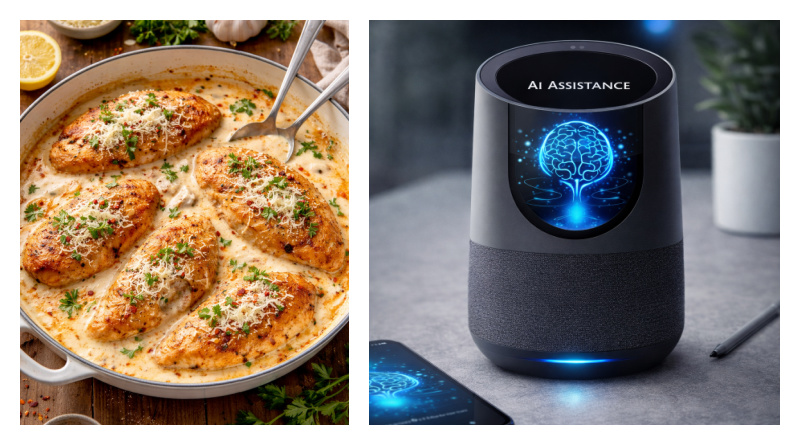
One of the biggest things people are talking about right now is how hard it has become to trust online content. Shoppers question reviews, food images, tech images, media reports, articles and much more. Viewers are question influencers as they should if you ask me.
You see it in comments everywhere.
“Is this AI?”
“Did you really use this?”
“Who actually wrote this?”
“This feels fake.”
That skepticism is not negativity; it is self-protection.
People want to know that their time, money, and attention are not being manipulated by something that does not understand real life.
Why this matters to me and in today’s world
We make important decisions online, we buy products, we follow health advice, we listen to parenting tips, we learn tips about finances, home upgrades, and everyday life solutions.
When we cannot tell what is real, it affects how confident we feel making those decisions.
That is why authenticity is becoming more valuable than polish. Real experiences matter, imperfect photos matter, honest opinions matter and this is where long standing blogs and trusted creators quietly stand out.
The shift back to human stories
Interestingly, as AI grows, many people are gravitating back to content that feels human and I’m so glad to see that.
Messy kitchens. Unfiltered moments. Personal stories that do not sound scripted. Firsthand reviews that explain what worked and what did not……these are the true stories that really matter
People want context, not just conclusions.
At Night Helper, this has always been the heart of what we share. Real life, real testing, real images, messy crap at times and real thoughts from someone actually living it…..I hate to see all the phony images and so perfect post that it pisses you off. You know life is not really like that!
That matters more now than ever.
What readers and brands are starting to look for
I have noticed some Brands are paying attention too. They are realizing that AI generated content alone does not build trust.
They are looking for creators who can say:
“I tested this myself.”
“This worked for my family.”
“Here’s what surprised me.”
“Here’s what I would change.”
Readers want that same honesty. They want to know there is a person behind the screen who understands daily life, budgets, families, and real expectations.
Ad sample ideas that work in this moment
This shift also changes how ads and sponsored content should be presented.
Here are examples of ad styles that feel right for today’s audience.
A product review that starts with how the item actually arrived, how long it took to use, and what daily life looked like while testing it.
A home product ad that includes personal photos taken during real use, not just stock images.
A tech feature that explains who the product is not for, not just who it is for.
A lifestyle brand collaboration that includes behind the scenes moments or a short story about why the product fit into everyday life.
These types of ads do not feel forced. They feel useful.
Why Teaching Kids to Recognize AI Matters More Than Ever
I’m sure you’ve heard this conversation many times from parents and kids about AI and how real it looks online. They’ve seen the photos, videos, even voices can be generated so convincingly that it’s hard to tell what’s authentic anymore.
And when adults are questioning what’s real, imagine how confusing it can be for kids.
Children are growing up in a world where a picture might not be a real person. A video might not be a real event. A voice might not belong to who they think it does.
Digital safety is no longer just about screen time.
It’s about teaching our kids how to pause, question, and think critically.
It’s about helping them understand that not everything they see online is real, even if it looks perfect.
AI is powerful. It can be helpful and creative. But awareness is what keeps families safe.
The ability to recognize AI, ask questions, and have open conversations at home is becoming a new life skill.
And that matters more than ever.
What this means going forward
AI is not going away. And it does not need to. It can be helpful when used responsibly.
But the future belongs to creators who know how to balance technology with honesty.
People want to feel something when they read. They want to connect. They want to trust.
The more automated the internet becomes, the more valuable human perspective becomes.
And that is the heart of why this conversation matters.
Because at the end of the day, we are not just scrolling content. We are looking for reassurance that real people still exist behind the screens, and when you find that, you tend to stay.
Here’s how you can start telling when an image is AI generated, especially with food, people, and lifestyle shots.
1. Everything looks a little too perfect
AI images tend to look like they were styled for a magazine shoot every single time.
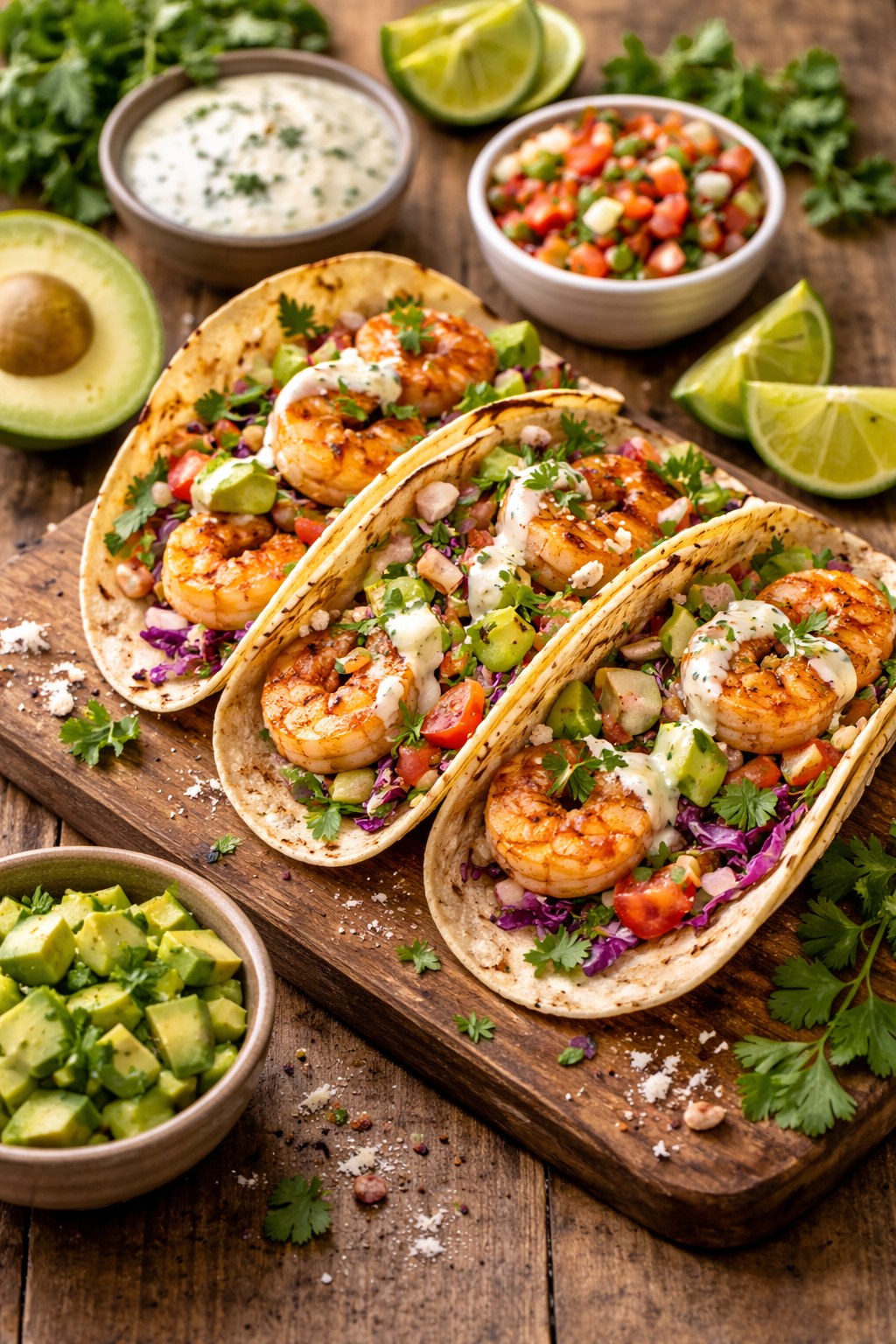
Food looks flawless
No grease splatter
No crumbs out of place
Every shrimp the same size
Every herb perfectly placed
Real food photos usually have at least one small imperfection. A drip. A shadow. A messy edge. AI often misses that natural chaos.
2. Textures can feel slightly off
This is one of the biggest giveaways once you train your eye.
With food:
Sauces look too smooth or glossy
Meat fibers look painted instead of cooked
Steam looks staged or frozen
Cheese melts unrealistically perfect
With people:
Skin looks airbrushed but not like makeup
Hairlines look too neat or oddly blended
Teeth are perfectly aligned and uniformly white
It’s subtle, but once you notice it, you can’t unsee it.
3. Repetition is a red flag
AI loves patterns.
Identical shrimp shapes
Repeating herbs
Same folds in tortillas
Symmetrical plating that feels intentional
Real kitchens are messy. Humans don’t plate with mathematical precision every time.
4. Lighting that feels cinematic, not casual
AI images often use dramatic, studio style lighting.
Perfect highlights
Soft shadows everywhere
Balanced brightness across the entire image
Real home photos usually have uneven lighting. One side is darker. One corner is blown out. AI tends to make everything evenly beautiful.
5. Background details don’t always make sense
This is where AI slips up a lot.
Utensils placed awkwardly
Bowls that look decorative but unused
Props that feel staged instead of practical
Ingredients shown that don’t match the dish
It looks good, but something feels off if you really study it.
6. No real context or story attached
This one matters a lot for blogs and brands.
AI images usually come with:
No cooking mess
No prep shots
No hands
No process
Real food content often shows steps, progress, or imperfections. AI gives you the final result but skips the lived experience.
The truth most people won’t admit. Right now, most readers cannot reliably tell.
That’s why trust is shifting away from just images and toward:
Personal photos
Process shots
Behind the scenes
First person storytelling
Consistency over time
Just know, an image alone isn’t proof anymore and everything you see or read about isn’t always REAL!




Well, eventually you will not be able to tell the difference. It’s the new thing, but AI is a tool; you need to know how to use it with proper prompts and more.
This was such a powerful and honest reflection on how AI is reshaping trust online, especially the reminder that authenticity matters more than perfection. I really appreciated the practical tips for spotting AI-generated images because they help readers slow down and think critically about what they see every day. Your emphasis on real stories, imperfect moments, and teaching kids digital awareness makes this conversation feel both timely and deeply meaningful.
This is sooo interesting. What you say is true, and it’s becoming difficult to realize what is real and what is not. It’s not just confusing but almost dangerous. I like that “AI misses real-life mess”. Too perfect, too fake.
Lisa, I feel that same hesitation whenever I scroll through my feed lately. It makes me miss when things were messy and imperfect because at least those felt honest. Machines just cannot replicate that genuine human grit.
I’ve been on the fence with AI, but it’s getting so advanced and tricky that I think I’d rather see it go away.
AI writing often gives me the ick. It can be so obvious. I love natural imperfect writing and photos. They are so inviting and HUMAN! Great article.