
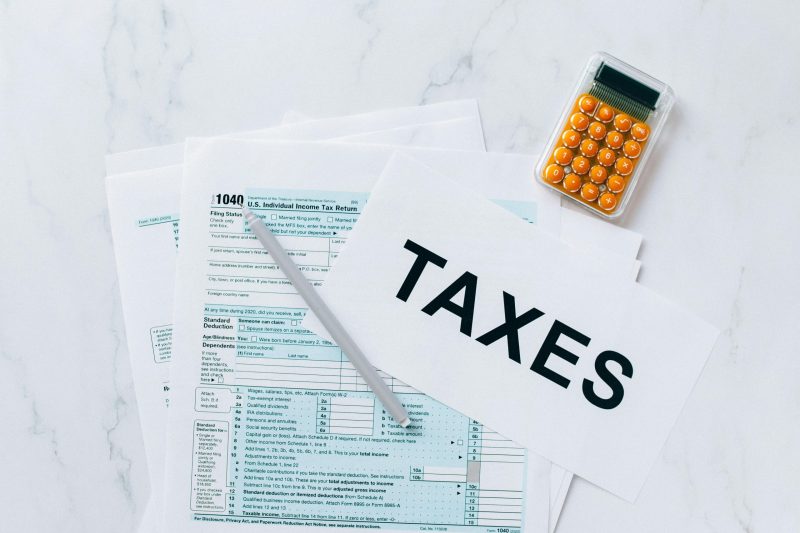
What Tax Season in 2026 Really Feels Like for American Families
Tax season is here and man, it can be extremely stressful. It doesn’t matter if you’re filing for your business, your 9 to 5 job, or both, this time of year brings a certain kind of pressure that most American families feel whether they admit it or not.
The first thing that usually hits your mind is, am I filing this right? Did I miss something? Did I forget a form? Then the next wave comes… how much is this going to cost me? And after that, the questions just keep piling up.
Should I use tax software or go to a tax professional?
Is one better than the other?
What if I choose the wrong one?
What if I do it myself and mess something up?
These are not small questions. They are the kinds of questions that sit in the back of your mind while you’re trying to cook dinner, fold laundry, or answer emails.
And if you own a business or even have a small side hustle, the stress doubles. Now you’re not just entering W-2 information. You’re looking at 1099s, deductions, expenses, maybe even home office calculations. You start wondering if you tracked everything correctly all year. You ask yourself if you should have done something differently.
Tax season has a way of making even confident people second guess themselves.
It’s not just about filing. It’s about responsibility. It’s about making sure your household is handled correctly. It’s about avoiding mistakes. It’s about not wanting a letter from the IRS months later.
Even families who expect a refund still feel the pressure. Because until it’s submitted and accepted, nothing feels certain. You might be thinking, will I owe instead? Did my withholdings change? Did something shift this year that I didn’t catch?
And let’s be honest, the stack of paperwork alone can feel overwhelming. W-2s, 1099s, childcare statements, mortgage interest forms, student loan interest documents. It feels like your entire year summarized in envelopes.
That’s why tax season in 2026 feels less like a simple yearly task and more like a financial checkpoint for American households. You’re looking back at twelve months of income, spending, changes, and decisions all at once.
And that can feel heavy.
For most American households, tax season isn’t exciting. It isn’t empowering. It isn’t something we circle on the calendar with anticipation.
It’s stressful.
It’s that time of year when paperwork piles up, payroll emails start rolling in, and we all quietly wonder, did we do this right?
Yes, some families look forward to a refund. But even that comes with anxiety. Will it be enough? Will it be delayed? Did we forget something? We see tax season less as a financial event and more as a stress test for American households. And in 2026, that pressure feels heavier than ever.
Why Tax Season Feels So Heavy Right Now
The average American family is already juggling:
• Rising grocery prices
• Higher utility bills
• Insurance increases
• Credit card balances from the holidays
• School expenses
• Unexpected medical costs
Tax season lands right in the middle of all of that. It forces us to look at our full financial picture all at once, and that’s uncomfortable.
It’s not just math. It’s reflection.
Did we save enough?
Did we overspend?
Did we withhold correctly?
Did we miss something important?
Even families expecting refunds often feel nervous until that deposit clears.
The Emotional Weight Behind the Numbers
When we talk about taxes, most articles focus on deadlines and refunds. But what doesn’t get talked about enough is the emotional layer.
For many American families, tax season means:
• Reliving a tough financial year
• Facing income changes
• Dealing with job transitions
• Navigating side hustle paperwork
• Managing childcare credits
• Worrying about mistakes
If you started a small business, worked freelance, changed jobs, had a baby, bought or sold a home, suddenly your tax return feels more complicated.
And complexity equals stress.
The Fear of Getting It Wrong
Let’s say what most people won’t.
Many Americans are afraid of making a mistake.
The IRS website is helpful, but it can also feel intimidating:
There are forms inside forms. Schedules attached to schedules. Credits with eligibility rules that change.
And no one wants to:
• Trigger a delay
• Miss a deduction
• Get a letter months later
• Be audited
Even hearing the word audit can spike anxiety. That fear alone makes tax season emotionally draining.
The “What If” Questions That Keep Families Up at Night
What if we owe instead of getting money back?
What if we didn’t withhold enough?
What if our tax bracket changed?
What if our child tax credit situation shifted?
The Earned Income Tax Credit, for example, has very specific requirements:
https://www.irs.gov/credits-deductions/individuals/earned-income-tax-credit-eitc
Missing a qualification detail can mean thousands of dollars difference, and that’s not small. For many families, that’s the difference between catching up and falling behind.
Moving Through Tax Season Without Panic
But here’s the thing we always remind ourselves of. Stress usually comes from uncertainty. Once you organize your documents, choose your method, and actually sit down to start, a lot of that anxiety begins to shrink.
It may not disappear completely, but it becomes manageable.
You realize it’s not as chaotic as it felt in your head.
Tax season may always bring questions. It may always bring a little pressure. But it doesn’t have to bring panic.
Take it step by step. Gather everything first. Decide whether software or a tax professional makes more sense for your situation. Double check your information. File carefully. Then let yourself breathe.
Because once it’s done, that weight lifts and that relief is something most American families understand deeply.
So, have you filed your taxes yet? Do you feel the stress this time of year brings? What advice would you give someone who feels overwhelmed every tax season?
Once tax season is behind you, it’s a great time to reset your financial goals for the year. Whether that means building an emergency fund, organizing your monthly budget, or tackling one lingering debt, filing your taxes can actually become the starting point for financial clarity.




Tax season is stressful and that is why I’ve used a tax specialist/accountant to file my taxes for decades.
While we have to make sure all our paperwork is collected and delivered, they do the heavy lifting as they know the tax laws and recent updates to the law.
If you organize your papers and file early, you could even get a discount from the tax specialist. That said, yes, I agree with you that it can be very stressful!
The hardest part for me is making sure we have all of the paperwork since my husband works for himself. I have been using tax software since I had my first job and it makes things so easy for us.
Tax season is always super stressful to me because I am self-employed, but don’t make a lot of money. I hardly got a refund back this year. Maybe next year will be better!
Tax should be discussed well to all of its citizens because tax is very important to all it should be seen.
I think most hate tax season wherever they are. I do work to keep on top of my taxes so there is minimal effort required when the time actually comes. Having money set aside to cover the tax bill is important. Where possible having more than you think you will need just in case can help. Keeping on top of finances, not over spending and getting rid of subscriptions we don’t really need can help towards this.
Wow! Good to share! Such great information to us to help us in every situation to build our financial benefits of being a tax payer
Wow! Good to share! It is important to know to understand every situation to help us build our financial benefits
Dealing with that pile of paperwork while trying to handle daily life is genuinely exhausting for most households. It is so easy to second guess every deduction when you just want to avoid any future IRS letters.
This article is right on time . Thank you for sharing! Tax season can be so stressful. I wish we could find a more efficient way to handle this. Great tips!
I am not particularly a fan of tax season. First, I don’t make enough for taxes to be taken out regularly so I have to strong-willed to set it aside for myself every pay check. Secondly, it’s annoying to see your pay check amounts to nothing after all is said and done. So yeah, it’s not something I look forward to but I keep telling myself there’s a rainbow at the end of the tunnel!
Maureen | http://www.littlemisscasual.com
The tax season is always so stressful for me. My ex-husband used to be in charge of this and now I’m on my own, figuring out how to do it. Thanks for these tips!
Tax season is absolutely the most stressful time of year for our family. So much work goes into gathering everything up and sorting it for the tax preparer. Then, we get hit with the actual bill.
Your words captured that 2026 tax-season weight perfectly. For so many families, it’s not just about deadlines or refunds; it feels like reliving a year’s worth of financial choices all at once. With new rules, refund timing shifts, and all the paperwork stress swirling around, it really does feel like a financial checkpoint rather than just another spring task.